Kayak Odyssey on the Mangoky River: Between Nature and Adventure
Pangalanes Canal 9 days rustique

Kayak Odyssey on the Mangoky River: Between Nature and Adventure

150 kilometers by kayak on Madagascar's longest river, between giant baobabs and Bara traditions.

From€1,250per person
13 years of local expertise4.94/5 (122 reviews including 71 Google)

Duration

9 days

From

€1,250/pers.

Ideal seasons

Apr, May, Jun, Jul, Aug, Sep

Style

Expeditions

Comfort

rustique

Travelers

Solo, With friends

The spirit of travel

The Mangoky River unfolds its 822 kilometers across the isolated west of Madagascar, winding between the sandstone massifs of Isalo to the south and Makay to the north. On its banks, giant baobabs Adansonia grandidieri stand alongside spiny Pachypodium, creating a unique landscape where nature reigns supreme. The calm waters at the start gradually accelerate, offering technical but accessible navigation, punctuated by bivouacs under the stars.

This descent reveals the world of the Bara, a people of nomadic herders whose symbiotic relationship with zebus still structures traditional lifestyle today. Dry forests shelter lemurs, fosa and endemic birds, while the Mangoky reserve protects the last remnants of this exceptional biodiversity. The mysterious ruins of the "White House," a former French colonial station, testify to a bygone past at the heart of this preserved nature.

The expedition culminates in an encounter with Tsitakakantsa, probably the largest baobab in the world with its 28.82 meters in circumference. This aquatic odyssey reveals a secret Madagascar, far from classic circuits, where adventure takes on its full meaning.

The stages of your journey

D1
Sakaraha
D2
Fanjakana Beroroha B1
D3–4
Mangoky B2
D5
Mangoky B4 Réserve Mangoky
D6
Mangoky B2
D7
Andombiry
D8
Tuléar
D9
Antananarivo

Highlights

Epic descent of the Mangoky River
Giant Thousand-Year-Old Baobabs
Wild camping sites
Encounter with the Bara people
Unique Biodiversity Reserve
World Record Tsitakakantsa

Day-by-day itinerary

D1

From Tuléar to Sakaraha: Between Sapphire Mines and Far West Atmosphere

Antananarivo - Tuléar From the capital of Madagascar, we take the flight to Tuléar (The transfer to Antananarivo/Ivato airport will be at your expense). Our service begins at Tuléar airport. After baggage collection, we immediately take the road to reach the strange town of Sakaraha by the end of the day. Tuléar - Sakaraha After leaving the coast via RN7, we cross the Mahafaly limestone plateau, with its famous and impressive tombs topped by funeral sculptures called "Aloalo", painted with scenes of daily life. We reach the villages of Ilakaka and Sakaraha, before entering the immense Ihorombe plateau. Known for its significant sapphire mines, Sakaraha is a major center for the precious stone trade. The city is animated by its markets and mining activities. The surrounding region is a convergence point for many people attracted by possible ephemeral success. The city exudes a unique atmosphere worthy of the epic of the American Far West. It offers a singular experience, where the effervescence of the precious stone trade and the authenticity of local life exist side by side.
D2

From Chaos of the Track to Serenity of the Mangoky River

Early in the morning, we leave Sakaraha for a long and exciting day of driving along a dirt road to the Mangoky River, opposite Beroroha. A short stop at midday by the roadside allows us to enjoy a well-deserved picnic. We reach Fanjakana at the end of the day, where our team will have prepared a small dinner on a sandbank by the river. The Mangoky River, the longest river in Madagascar, extends over 822 km. It originates at the confluence of the Matsiatra and Mananatana rivers, south of Fianarantsoa in the Highlands. At our bivouac site, it delimits the Isalo sandstone massif to the south and the Makay to the north. After dinner, we end this memorable day with a stroll under a magnificent starry sky to the river, which flows quietly and temptingly in the darkness. It is a magical experience, enhanced by the singing of crickets and the soft breath of the wind. To top it all off, we spend the night under canvas, cradled by the murmur of water and enveloped by wild nature.
D3

Along the water between Isalo and Makay, the kingdom of the Baobabs

Fanjakana Beroroha B1 - Mangoky B2 This morning, excitement is at its peak. After having coffee in front of the tent, we load the boats and carry out a first test run. Then, we begin our journey of more than 150 kilometers across the isolated and remote west of Madagascar. At first, the river is calm and wide like a lake; paddling is easy and we progress slowly. We navigate against the foothills of the Makay massif that we know well. Then, the banks draw closer and the water flows more rapidly. We see enormous baobabs and spiny Pachypodium trees pass before our eyes. On the banks of the Mangoky river, we can encounter several types of baobabs, namely: Adansonia grandidieri: Also known as Reniala, this impressive tree can reach up to 30 meters in height and its smooth trunk can measure up to 3 meters in diameter. Adansonia rubrostipa: This baobab, also called baobab fony, is distinguished by its reddish and multi-branched trunk. It generally reaches a height of 5 to 20 meters and develops well in the coastal zones of southwest Madagascar. Adansonia za: Another type of baobab that we might encounter in this region. These baobabs are emblematic symbols of Madagascar and play a crucial role in the local ecosystem. They are also called "upside-down trees" because of their unique shape. Their majestic presence adds a touch of mystery and beauty to the natural landscape of the Mangoky river. Different varieties of Pachypodium are also present, including Pachypodium lamerei, or "Pachypodium of Madagascar". This succulent plant, native to southern Madagascar, has a spiny trunk, dark green crown-shaped leaves and can reach up to 10 meters tall. After more than six hours on the river, we look for a sandbank to set up the tents and end the day with a simple dinner.
D4

A Day Along the Mangoky River: Between Fauna and Flora

Mangoky B2 - Mangoky B3 A beautiful day awaits us. It's the longest day on the river. At sunrise, we dismantle our tents and enjoy the cool morning air on the calmly flowing water. At first, the river is wide and branching, and paddling is easy. As the sun advances, the mountains draw closer and the forests become denser. Along the Mangoky River, you can encounter a variety of fascinating animals. Among them are several species of lemurs, such as the ring-tailed lemur and the sifaka, although many of these species are threatened with extinction. The fossa, a "large" carnivore endemic to Madagascar, can be found in the dry forests around the river. The region is also home to a diversity of birds, including endemic species such as the Madagascar buzzard and the Malagasy grebe. As for reptiles, more than 40 species live in this region, including several species of chameleons. Some species of turtles, such as the loggerhead turtle, can be found in the waters of the Mangoky. Crocodiles are also present in the river. In addition to these animals, the river is home to a variety of fish, essential for local communities that depend on fishing for their subsistence. Madagascar flying foxes, or Rousettus madagascariensis, are also present. These fruit-eating bats, endemic to the island, live mainly in tropical dry forests and play an important role in pollination and seed dispersal. Unfortunately, they are threatened by deforestation, which reduces their natural habitat. These animals testify to the exceptional biodiversity of Madagascar. We make short breaks on the shore, then continue paddling until the sun disappears behind the mountains to the west. After a simple dinner, we slip into the tents, tired but satisfied.
D5

Exploration of the Natural and Human Environment of the Mangoky River

Mangoky B3 - Mangoky B4 Mangoky Reserve On the third day of our canoe expedition, we take advantage of increasingly impressive landscapes along the river. In the morning, we take time to visit a huge hollow baobab on the south bank, where people are said to have lived in the past. This majestic tree, a silent witness to history, arouses our admiration and curiosity. The Bara, present along the Mangoky River, are a people of nomadic herders renowned for their distinctive culture and lifestyle in harmony with nature. They are also known for their attachment to traditions, such as cattle rustling and traditional dances. The Bara maintain a close and symbiotic relationship with zebu, which play a central role in their culture and way of life. The zebu is not only a symbol of wealth and social status for the Bara, but is also crucial for their daily subsistence. Zebu provide milk, meat, and serve as beasts of burden for transport and ploughing fields. Their hides and horns are also used to make handicrafts. Thus, the symbiosis between the Bara and zebu is a remarkable example of cultural and biological coevolution, demonstrating how humans and animals can live in harmony and be mutually dependent for their survival. At the end of the day, we camp on a sandbank on the banks of the river. The riverbed is narrow and the sides of the wooded mountain plunge directly into the waters.
D6

Immersion and Mystery of Mangoky Reserve

Mangoky B4 Mangoky Reserve - Mangoky B4 Mangoky Reserve In the morning, after enjoying an energizing breakfast, a few paddle strokes allow us to reach Mangoky Reserve. Hidden amid lush vegetation, we dock on the riverbank to climb up to a building that was meant to serve as a reserve. The valley, steep and mysterious, envelops us with its calm and wild beauty. At the bottom of it, a magnificent baobab stands, majestic and imposing, like a silent guardian of this natural sanctuary. Mangoky B4 Mangoky Reserve - Mangoky B4 Mangoky Reserve Mangoky Reserve was created to protect one of the last dry deciduous forests in the country. The "White House," a former French colonial station built in the 1950s, is one of the historic sites of the reserve. This station served as a base for research and conservation activities. Mangoky Reserve is an exceptional ecosystem with rich and unique biodiversity. It is home to dry deciduous forests, mangroves, brackish lakes, and grasslands. Among the remarkable species are lemurs, endemic birds, reptiles, and amphibians. The reserve is also an important habitat for fish, turtles, and crocodiles. The biodiversity of the reserve is threatened by human activities such as bush fires, slash-and-burn agriculture, selective logging, and hunting. Despite these threats, conservation efforts are underway to protect this precious environment. Mangoky B4 Mangoky Reserve - Mangoky B5 We leave Mangoky Reserve at midday to continue our navigation on the river. Gradually, the riverbed widens, and we spot the first concrete structures of our journey. These structures contrast with the surrounding natural landscape, reminding us of human presence in this isolated region. On the right bank, a water intake system allows irrigation of the agricultural region of Vondrove, testifying to local ingenuity in exploiting natural resources. This system is essential for local crops, ensuring a constant water source for the surrounding fields. We continue our navigation and reach a lovely sandbank open to the setting sun. This place offers breathtaking views of the river and its surroundings, creating a peaceful and serene atmosphere. Due south, a red hill stands out on the horizon, offering a striking natural spectacle. The red hues of the hill contrast beautifully with the sunset sky, marking the end of our day of navigation in a memorable way.
D7

Ultimate Moments Kayaking on the Mangoky

Mangoky B5 - Mangoky B5 Ambika Late in the morning, one last effort awaits us to reach our final destination: the village of Ambiky, located on the road connecting Toliara to Morombe. As we approach, our colorful kayaks glide across the water, naturally attracting the attention of the inhabitants. We become the attraction of the day, sparking curiosity and smiles among the villagers who observe us from the banks. Children run along the shore, greeting us with enthusiasm, while adults watch us with a mix of interest and amusement. Once at the dock, we are warmly welcomed by the local community. We settle down for lunch in the village of Ambiky, enjoying a well-deserved moment of relaxation after this aquatic adventure. Mangoky B5 Ambika - Andombiry In the early afternoon, we leave the banks of the Mangoky River and take the Morombe track with our 4x4s, south of the river delta. The "national road" crosses the large agricultural plain of Bevoay. It is unfortunately heavily degraded. Leaving the main track, we take a complex route through a very well-preserved region, dotted with baobabs immersed in a particular tree cover. We establish our bivouac in a clearing, at the foot of majestic baobabs.
Tuléar
D8

Meeting the Giant Tsitakakantsa, then Tuléar

B6 Andombiry - Andombiry We take the track for a few more kilometers to reach the village of Andombiry. The largest baobab in Madagascar is called Tsitakakantsa. It was discovered in May 2018 by the inhabitants of the village of Andombiry and measures 28.82 meters in circumference. The previous size record was held by Tsitakakoike, which measured 27.30 meters in circumference and was between 1300 and 1500 years old. The Malagasy name Tsitakakoike means "if you cry on one side of the trunk, you cannot hear that cry from the other side". In January 2018, Tsitakakoike lost three of its five main branches and survived for only a little over a year before collapsing completely in April 2019. This baobab was sacred to the inhabitants of the village of Andombiry located nearby. Following the death of Tsitakakoike, the villagers launched a search for an equally powerful baobab. In May 2018, they discovered an exceptionally large tree, measuring 28.82 meters in circumference. On May 31, Cyrille Cornu visited this remarkable baobab as part of filming a program about Madagascar, in which he appears as a baobab specialist. In May 2024, the Franco-German channel ARTE produced a magnificent documentary about the baobabs of Madagascar. We were the producers in Madagascar and highlighted this baobab and its story. Madagascar's new giant was named Tsitakakantsa, a name chosen as a tribute to Tsitakakoike, meaning "if you sing on one side of the trunk, you cannot hear that song from the other side". Tsitakakantsa is an extraordinary being and undoubtedly one of the most fantastic plants currently living on the planet. Befandriana Sud | Bevoay - Tuléar After this encounter with this silent king, we resume the track in the direction of Befandriana Sud. The journey offers us a breathtaking view of the surrounding landscapes, where nature seems to stretch endlessly. Upon reaching this small village, we are welcomed by a beautiful paved road that allows us to reach Toliara by the end of the day. The contrast between the dusty tracks and this asphalt road makes the journey even more pleasant, offering a smooth transition to our final destination. We make a stop at Mangily at the end of the day to enjoy a good swim in the turquoise waters of the Mozambique Channel. The feeling of cool water on our skin after a long day of travel is invigorating. We dine on site, savoring delicious local dishes, before heading to Toliara for a night that could be short depending on your flight plan.
Antananarivo
D9

Return to Antananarivo

Tuléar - Antananarivo Return flight to Antananarivo (Airport transfer in Tuléar will be at your expense). Our service ends with breakfast on D9

Price per person

This trip can be tailored to your preferences

This itinerary provides an excellent foundation for discovery, but it can be fully customized. Our local advisors build each trip tailored to your budget, dates and preferences.

Not included

  • International Flights and Visa Formalities and Cost
  • Domestic flights Antananarivo to Tuléar (D1) and Tuléar to Antananarivo (D9)
  • The transfer to Antananarivo airport on D1
  • Airport transfer in Tuleár on Day 9
  • Day 1 and Day 9 lunches, Day 1 and Day 8 dinners
  • Activities not mentioned in the program
  • The single supplement or shared single supplement (in hotels and tents) = 80 EUR per person
  • Tips, beverages and personal expenses
  • Cancellation insurance, repatriation and first aid expenses

Included

  • The services of a team trained in the descent of the Mangoky
  • Kayaks adapted with paddle, life jacket
  • Transportation by 4x4 vehicle(s) with necessary fuel between Tuléar and Beroroha, then Ambika and Tuléar
  • Accommodation in B&B double / twin room at the hotel in Sakaraha on day 1
  • Accommodation in B&B in double/twin room at the hotel in Tuléar on day 8
  • Full board from lunch on D2 to lunch on D8
  • Camping equipment (plan for a lightweight sleeping bag)
  • All the logistics and supplies for this type of trip: attention, we must travel light.

Practical Information

Registration is considered firm and final after payment of a deposit of 30% of the total price and acceptance of the specific terms of sale.

The balance must be paid no later than 45 days before the departure date.

See our specific terms of sale for full details.

In the event of cancellation by the traveller, the following fees apply:

  • More than 60 days before departure: 30% of the total price (deposit retained)

  • Between 60 and 30 days before departure: 50% of the total price

  • Less than 30 days before departure: 100% of the total price

We strongly recommend taking out cancellation insurance. See our specific terms of sale for full details.

Your Passport:
Important: your passport must be valid. It must be mandatory and obligatorily valid for 6 months after the end of your stay in Madagascar.

Your travel documents

  • Your valid passport,

  • Your international and/or domestic flight tickets,

  • Your repatriation insurance/first aid expenses contract, -

  • Your vaccination record, not mandatory,

  • Your blood group card if possible.

Obtaining a visa to enter Malagasy territory

Upon arrival in the territory:
The visa cost is €35 for a stay of less than 30 days.
It is easily obtained upon your arrival in Malagasy territory.
This applies to all airports in Madagascar that receive international flights.
Upon arrival in the terminal, upon exiting the plane, a corridor for passengers is dedicated to issuing tourist visas.

This procedure is the simplest. We recommend it to you.

From the embassies and consulates of your countries of origin:
For information, download the document explaining the procedure and the constitution of the file for obtaining a visa from the Madagascar embassy.

To participate in our trips, it is strongly recommended to be insured for repatriation assistance and medical expenses abroad.

Your local agency encourages you to familiarize yourself with the specific contract developed with our partner CHAPKA ASSURANCES and AXA ASSISTANCE.
To subscribe to insurance, learn about coverage and rates, follow the link below.

CAP EXPLORER: The comprehensive insurance solution designed to enjoy your trip with peace of mind!

Choose the plan that best suits you:

  • Explorer'Multirisque

  • Explorer'Annulation

  • Explorer'Assistance

  • Explorer' Complementary Credit Card

Specific to our trips, we strongly recommend subscribing to them.
If you choose to subscribe to one of these plans, the policy detailing all coverage and procedures for claiming any loss are available on the insurer's website.

Your local agency will be aware of it, but only the participant is responsible for complying with the procedures for declaring any loss. The participant must therefore keep this policy with them throughout their trip.

Chapka — Cap Explorer

Our insurance partner

Travel with peace of mind with our partner Chapka. Cancellation, repatriation, medical expenses, baggage… All the coverage for a worry-free trip.

Travel with peace of mind — I'll handle the insurance

Frequently asked questions

A tourist visa is required, issued upon arrival at Ivato Airport (Antananarivo) or online (e-visa). Your passport must be valid for at least 6 months from your date of entry. Before booking your trip, check with Madagascar's consular authorities for the conditions applicable to your nationality, including visa fees and authorized lengths of stay.

Go to the My Trips section to find all your projects.

You can send a message to your host directly from the Tea Lounge.

For a tailor-made quality trip, expect between 160 and 270 euros per day and per person, including accommodation, meals, internal transfers and English-speaking guide. International flights (900-1400 euros return) are additional. Long transfers and domestic flights represent a significant portion of the budget.

Your documents are accessible in the Documents tab of your trip.

Absolutely. We adapt each itinerary to suit your travel profile. For families, we prioritize relaxed pacing, family-friendly accommodations, fun and educational activities, and comfortable private transfers. Our local English-speaking guides know how to captivate children with age-appropriate anecdotes.

It's simple. You exchange with our local team to define your wishes, budget and dates. You receive a detailed itinerary proposal within 48 hours. You adjust every detail together until it's perfect. You confirm and travel with peace of mind. Your local agency remains available 7 days a week throughout your trip.

In case of emergency, contact your local agency immediately.

Payment is generally made in two installments.

Our agency is part of the Nomadays network, registered in France. You benefit from APST (Association Professionnelle de Solidarité du Tourisme) protection, which covers 100% of your funds. Secure payment, repatriation insurance included, and English-speaking assistance 24/7 on the ground throughout your stay.
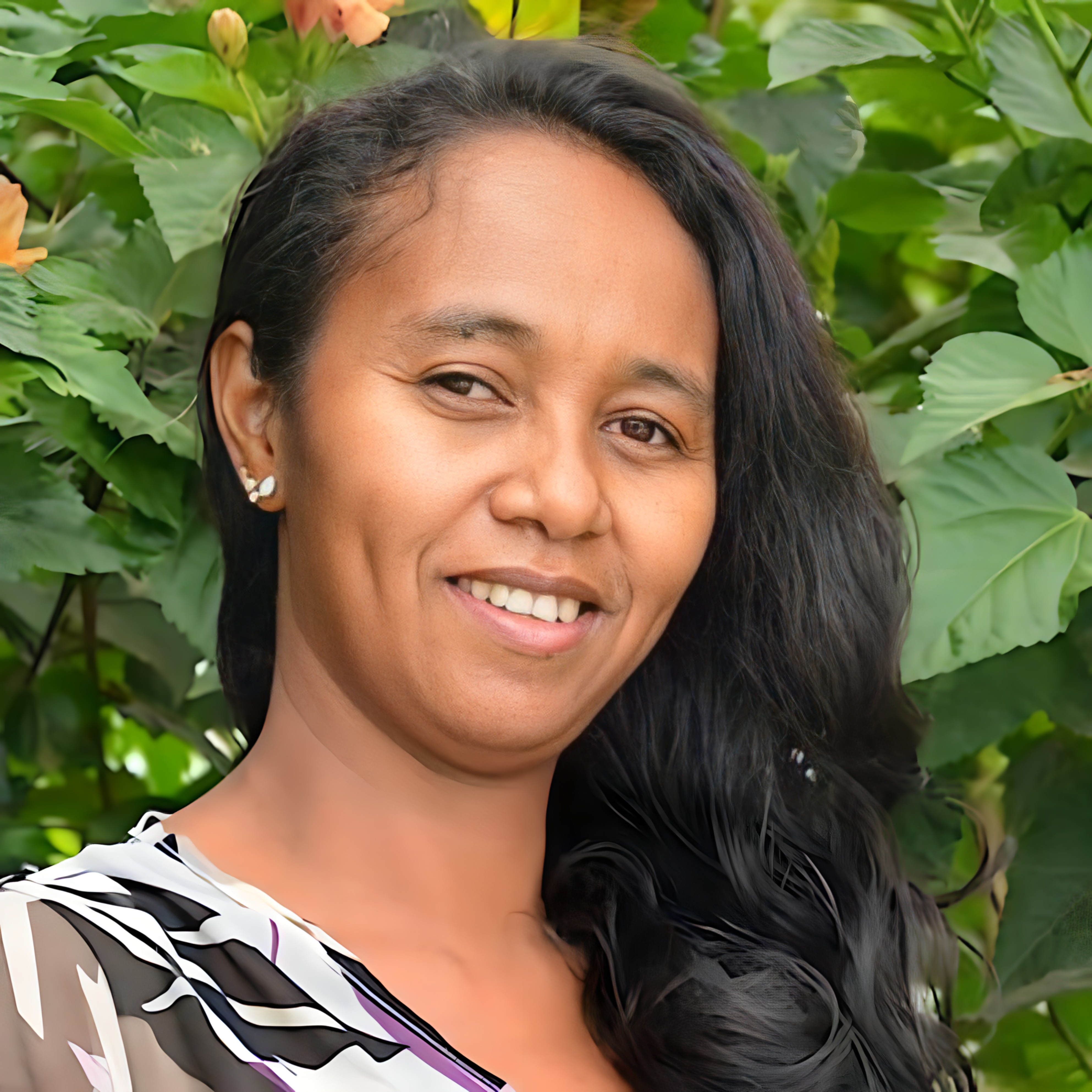
Noro, Ambassador of Malagasy fihavanana
13years of expertise

Let's talk about your adventure — Deep South

Ambassador of Malagasy fihavanana, based in Antananarivo

For me, traveling to Madagascar is stepping into the spirit of fihavanana: sharing, helping one another, meeting people, and taking time to understand what connects them to their land.

Noro

Deposit funds guarantee Secure payment 7/7 assistance4.94/5