Practical information Madagascar
Planning a trip to Madagascar requires precise landmarks that we regularly update from our agency in Antananarivo. You will find here the concrete steps for the visa issued on arrival at Ivato airport (free for up to 15 days, approximately 35 euros for 30 days, 40 euros for 60 days), the vaccines recommended by our referral doctor, and the question of malaria depending on the regions crossed. On the budget side, we provide realistic ranges in ariary (MGA), the local currency not convertible outside the country, with concrete price examples: a meal in a gargote, a night in a lodge in Andasibe, a full tank of diesel for the RN7. The climate varies greatly between the highlands of Antananarivo, the humid east coast of Maroantsetra and the arid southwest of Tuléar: we detail the useful seasons for each region. On transport, Noro and our team based in Antananarivo explain why the 4x4 with driver remains the most reliable solution for the RN7 or the track to Morondava, and how to coordinate Tsaradia domestic flights and boat trips on the Pangalanes canals. You will also find our advice on safety, water, connectivity (Telma, Orange), customary tips and etiquette regarding fady, these customary prohibitions that still structure village life.
Plan your trip by theme
Explore our practical guides organized by category to quickly find the information you need.

Before you go
Visa on arrival at Ivato, passport validity, recommended vaccinations, repatriation insurance and formalities to arrange before departure.
5 articles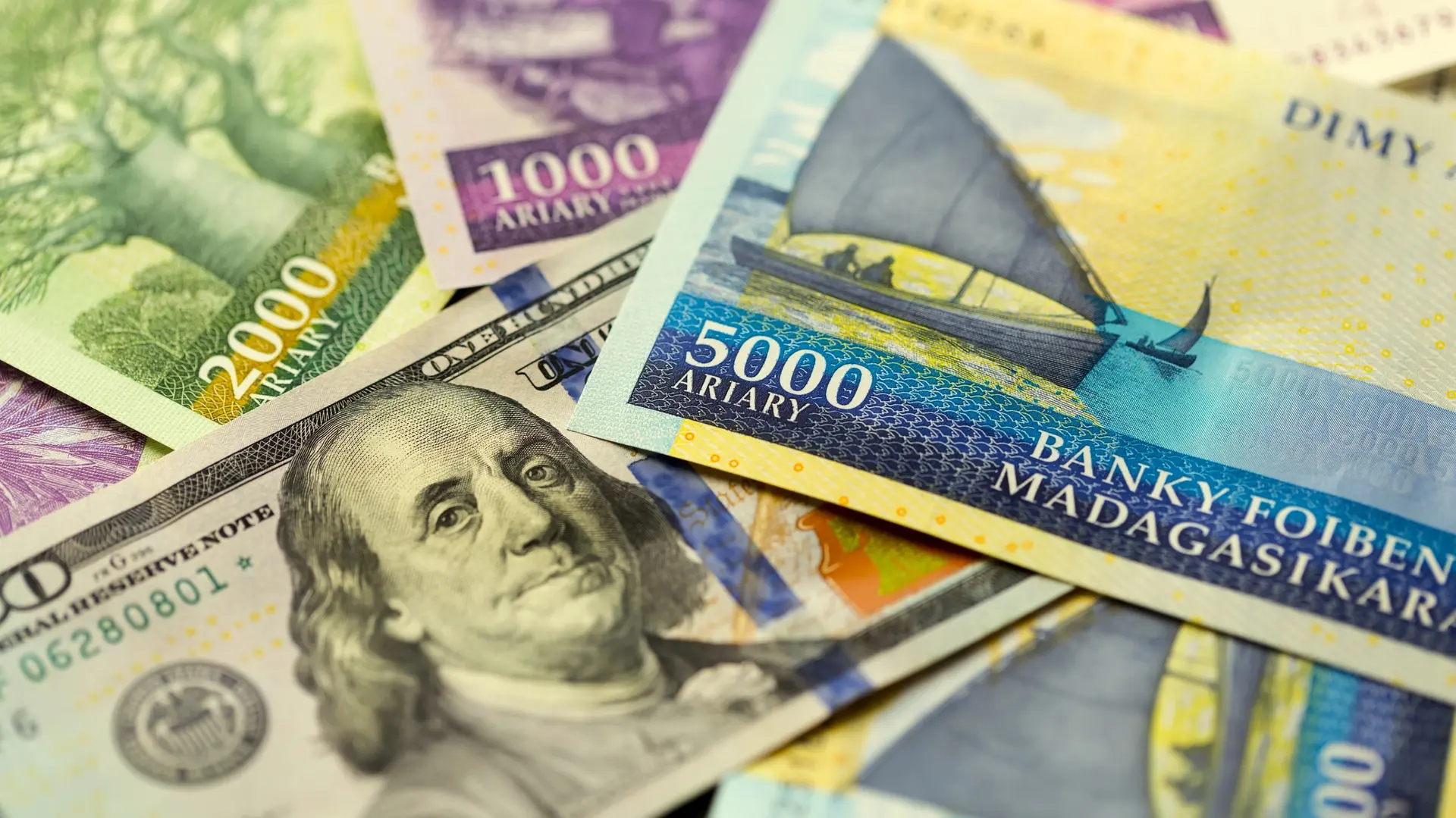
Budget & Money
Malagasy Ariary, indicative exchange rate, daily range per traveler, ATM withdrawals, tips for guides and drivers.
1 article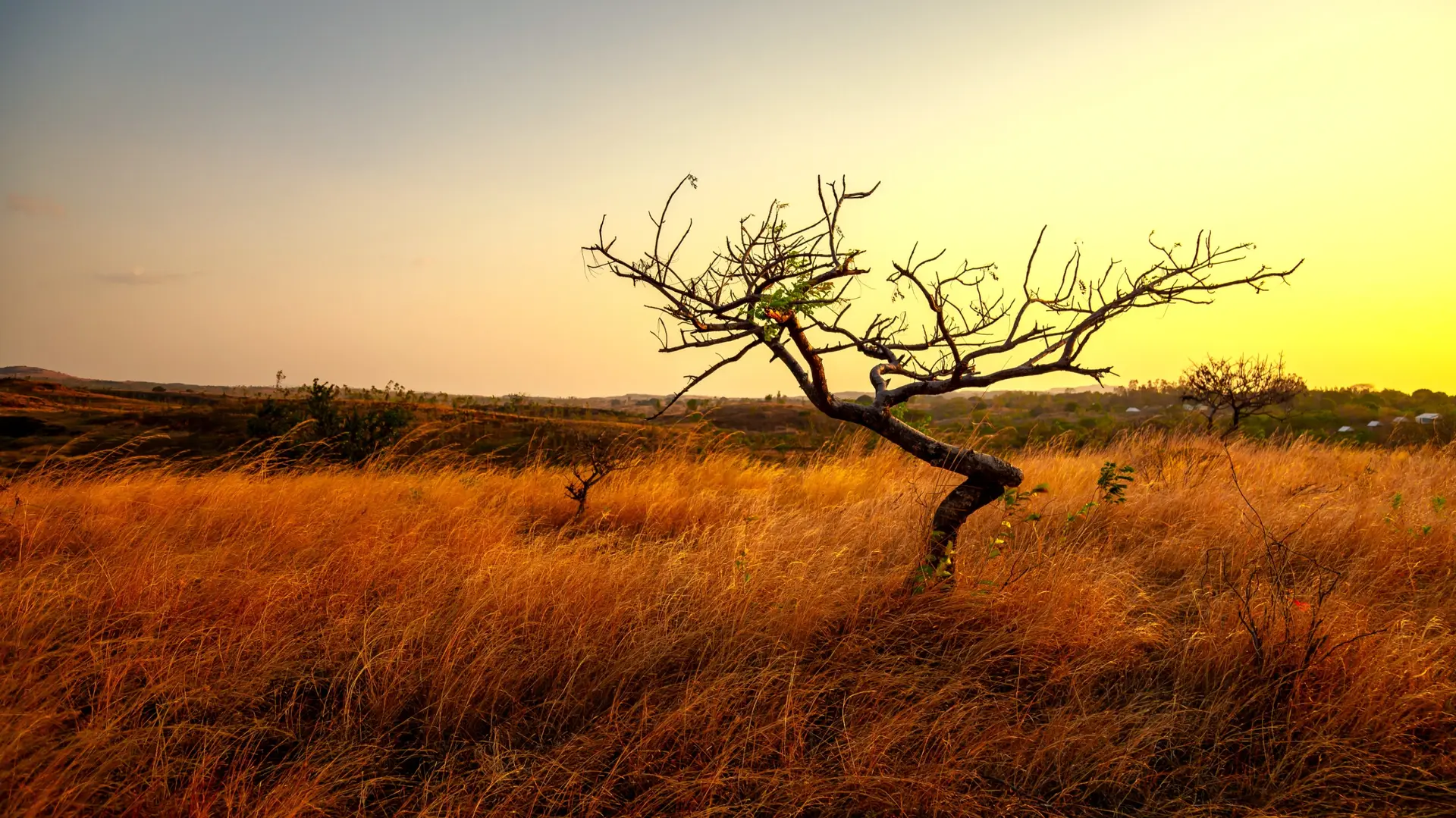
Climate & season
Dry season from April to November, rainfall on the east coast, cyclones from January to March, differences between highlands and coastal areas.
1 article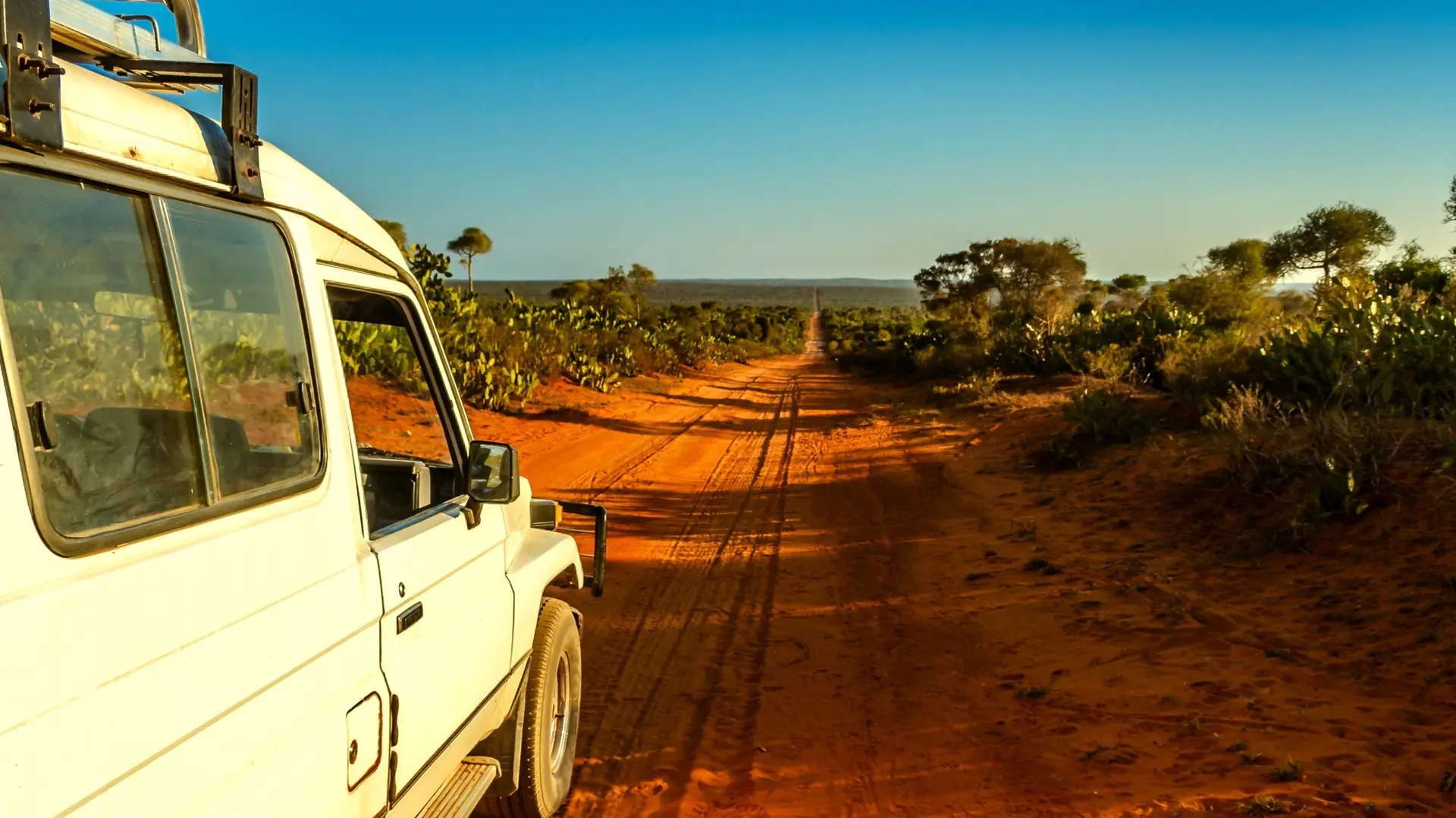
Transports
Tsaradia flights, 4x4 with driver on the RN7, taxi-brousse, pirogue and boat on the Pangalanes, actual condition of tracks.
3 articles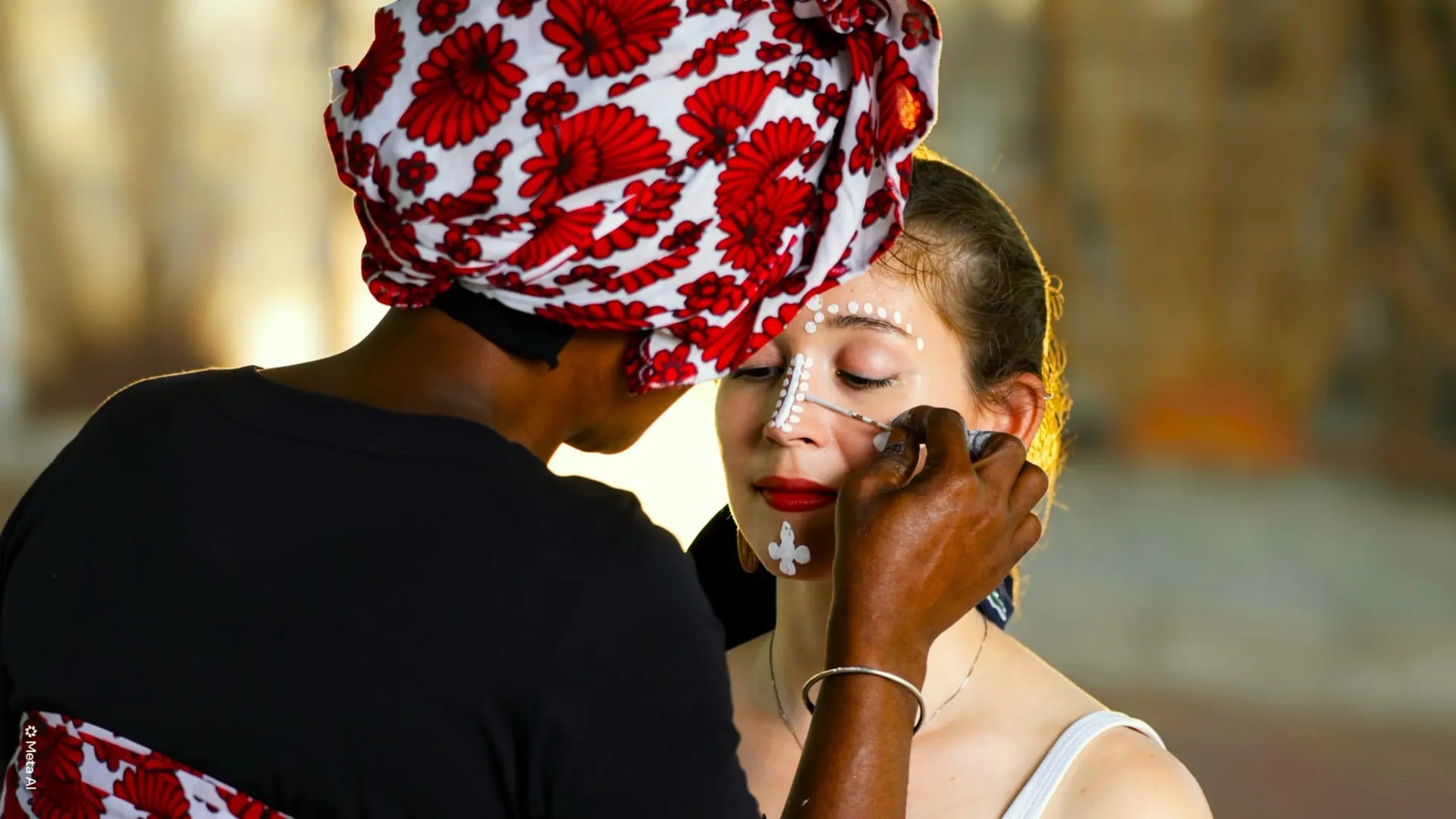
Culture
Fady and village taboos, greetings, dress code in churches and tombs, relationship with time and famadihana.
15 articles
Useful tips
Security in Antananarivo, bottled water, electrical outlets, Telma and Orange SIM cards, travel pharmacy to bring.
12 articlesAll practical guides
Search and filter among 37 articles






18 of 37 results
Frequently asked questions
The answers to the most frequently asked questions from our travellers.
Yes, a tourist visa is mandatory for all travelers. The good news: you can obtain it directly upon arrival at Ivato International Airport (Antananarivo) or through the online e-visa platform before departure. Budget approximately 10 euros for stays of less than 15 days, 35 euros for up to 30 days, and 40 euros for up to 60 days, payable in euros, dollars, or ariary. Your passport must be valid for at least six months after your return date and contain three blank pages. Plan to have an identity photo and proof of your return ticket. The visa is issued within 30 to 45 minutes at the airport, sometimes longer during peak season. For extended stays or multiple-entry visas, we recommend contacting the embassy.
No vaccine is mandatory to enter Madagascar, except yellow fever if you are transiting through a country where it is endemic (Kenya, Ethiopia). We recommend being up to date on DTP, hepatitis A and typhoid. Hepatitis B, rabies and cholera should be considered for long stays or in isolated rural areas. Malaria is present year-round on the coasts and in the north, with lower risk on the highlands above 1,500 meters. Preventive treatment (such as Malarone or doxycycline) is advised depending on your itinerary, to be confirmed with your doctor or an international vaccination center six weeks before departure. Also remember to use DEET-based mosquito repellent.
Excluding international flights, budget between 80 and 150 euros per day and per person for a comfortable trip on a private circuit with driver-guide, good quality accommodations and meals included. In a simpler version (family lodges, local meals), the budget drops to around 50 to 70 euros. To give you concrete benchmarks: a meal in a local eatery costs 2 to 4 euros, a restaurant meal in Antananarivo 8 to 15 euros, a night in an average lodge 40 to 80 euros, entry to Andasibe park approximately 15 euros plus the mandatory guide. Fuel and Tsaradia domestic flights (130 to 250 euros per trip) represent the heaviest expenses. Tips are appreciated but never required.
The dry season, from April to November, remains the most comfortable window for traveling through the country. The months of April-May and September-October are our favorites: mild temperatures, landscapes still green after the rains or dotted with flowering baobabs. July-August are cool on the highlands (10 to 20°C at night in Antananarivo) and perfect for the west coast and south. The wet season, from December to March, brings heavy rains on the east coast and a real cyclonic risk between January and March: certain tracks become impassable. To observe humpback whales in Sainte-Marie, aim for July to September. For lemurs, visibility is good throughout the dry season.
Madagascar is vast (1,580 km from north to south) and distances can be deceptive: 300 km may take 8 hours to cover by road. A 4x4 with driver remains our main solution, essential on the Morondava-Tsingy track or secondary roads in the south. The RN7 from Antananarivo to Tuléar is paved but winding. Domestic flights to Nosy Be, Diego, Tuléar, and Sainte-Marie save entire days and should be booked early, as frequencies are limited. The taxi-brousse (bush taxi), while economical, is not suitable for travelers on a tight schedule. On the Pangalanes canals or to reach certain islands, travel is by pirogue or speedboat. We tailor each itinerary to minimize long days on rough tracks.
Madagascar remains a calm destination for organized travelers, with a welcoming population and little hostility toward vazaha (foreigners). Standard precautions apply: avoid walking alone at night in Antananarivo, do not display cameras and jewelry in markets (Analakely, zoma), keep documents secure at your lodge. The deep south, beyond Betroka and toward Cape Sainte-Marie, requires greater vigilance due to the occasional presence of dahalo (cattle thieves): we avoid these routes or find alternatives. On the road, our driver never drives at night, an absolute rule. In case of demonstrations in Antananarivo, we adapt the itinerary accordingly. Noro monitors the situation daily and remains available throughout your trip.
Ready to travel to in Madagascar?
Discover our tailor-made itineraries, designed by our local team. Each route adapts to your pace, your preferences and your travel season.
See our toursWe use cookies to improve your experience and measure our site's audience. You can choose what you accept. Learn more.