Marofandilia Forest
Marofandilia Forest
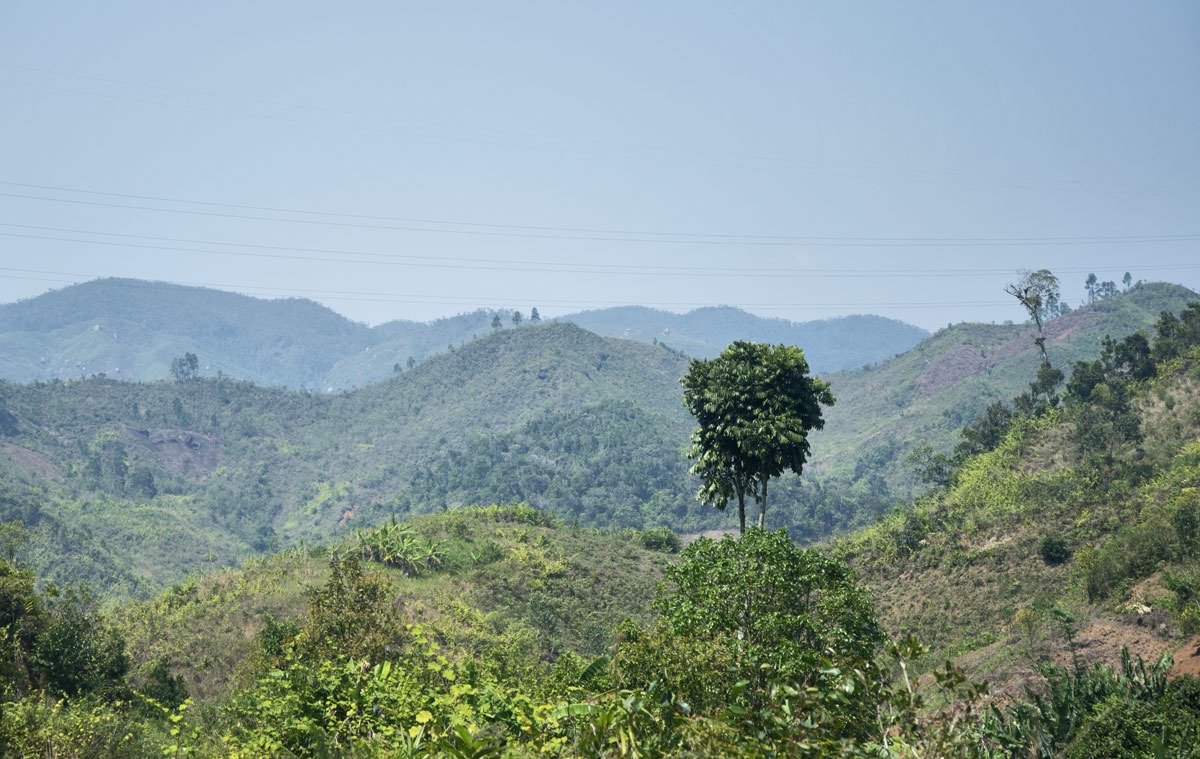
Located 44 km from Morondava, the dry forest of Marofandilia is home to endemic lemurs, baobabs and rare birds within the Menabe Antimena protected area.
The Marofandilia forest stretches approximately 44 km north of Morondava, in the Menabe region. It is part of the Menabe Antimena protected area and represents one of the last well-preserved dry deciduous forest complexes in western Madagascar. According to the WWF, this ecoregion ranks among priority conservation zones due to its high rate of animal and plant endemism.
Why visit Marofandilia
Marofandilia is far more than a stopover before the baobabs: it is a rare observation site in Africa. The dry forest, long less studied than the humid forests of eastern Madagascar, is home to species found nowhere else on Earth. It is also a site accessible as a half-day excursion from Morondava, making it a natural complement to a visit to the Avenue of the Baobabs.
Visitor numbers remain moderate: the trails are quiet, local guides are readily available, and your chances of spotting lemurs, even in daylight, are high as soon as you venture beyond the main track.
History and ecological context
The dry forests of Menabe have long been linked to the Sakalava communities, who practice slash-and-burn agriculture, livestock rearing, and timber collection. These practices, vital to local villages, have gradually reduced forest cover: between the 1970s and today, several studies estimate that the Menabe dry forest has lost a significant portion of its original surface area.
To slow this trend, the Menabe Antimena protected landscape was officially established by decree in 2015, following several years of transitional management. The status combines biodiversity preservation with participation from riverside communities. Fanamby NGO, the delegated manager of the protected area, coordinates surveillance, reforestation, and support for agricultural alternatives to slash-and-burn farming on site.
What you can observe
Lemurs
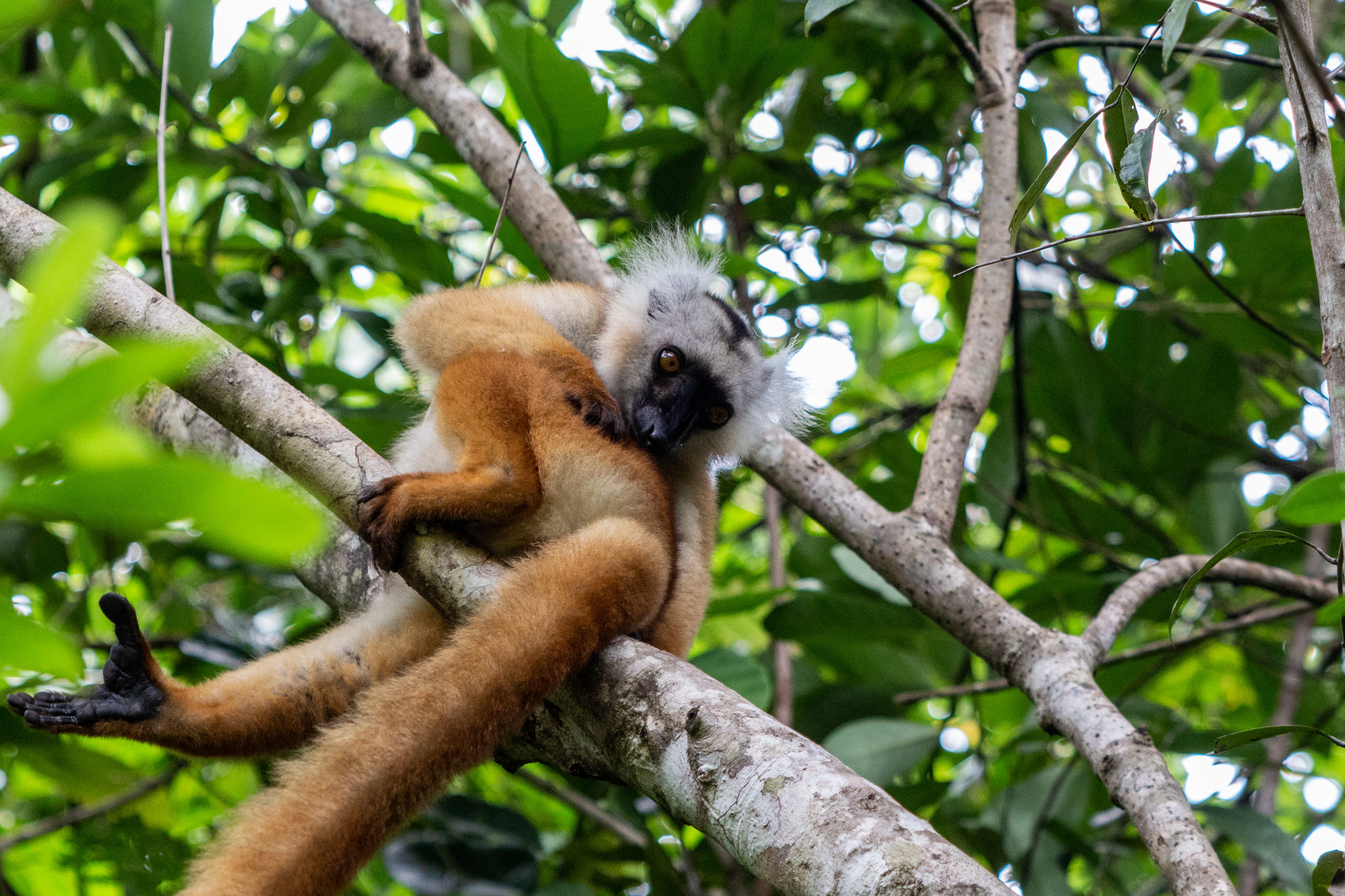
Eight lemur species frequent the area, including the Madame Berthe's Mouse Lemur (Microcebus berthae), considered the smallest primate in the world and endemic to this region. You will also encounter Verreaux's sifaka and the red-fronted lemur, which are easier to spot during the day.
Birds
The Menabe Antimena protected area records over 120 bird species, including the Azure Jay and the Magpie-robin. Several are endemic to western Madagascar, which attracts birdwatchers.
Reptiles, amphibians and flora
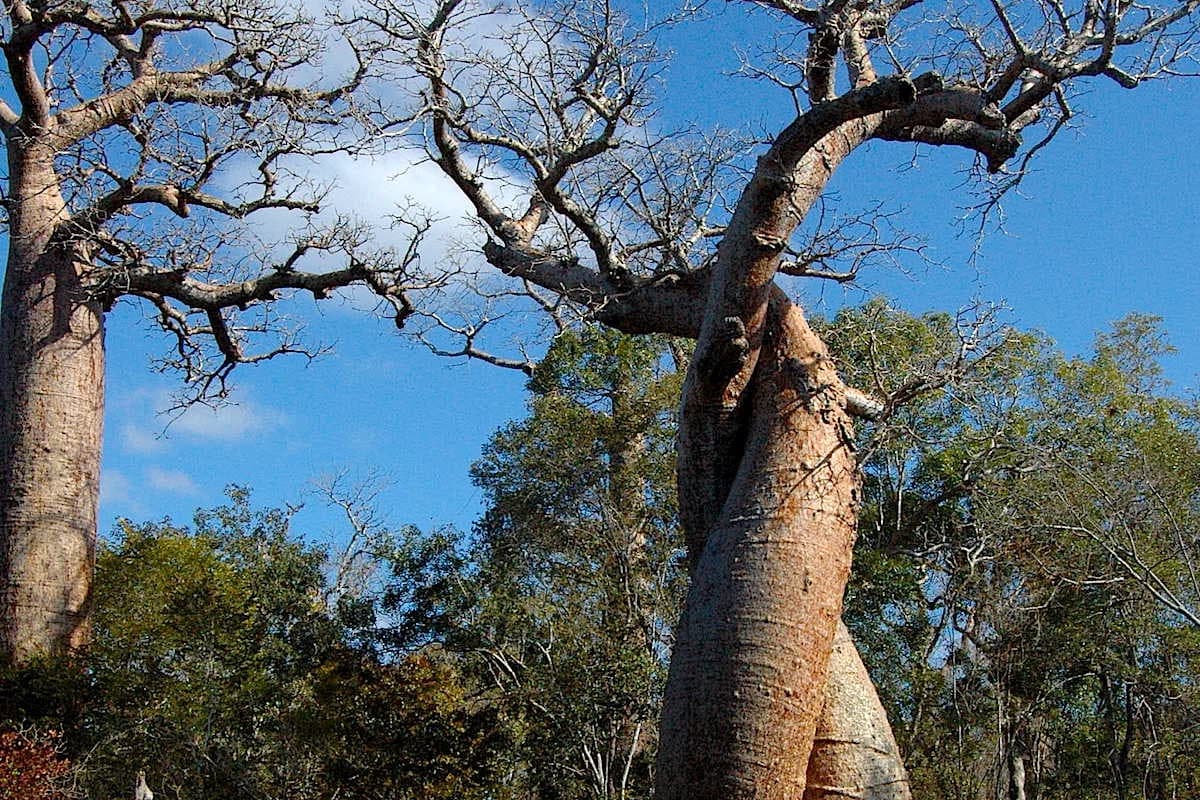
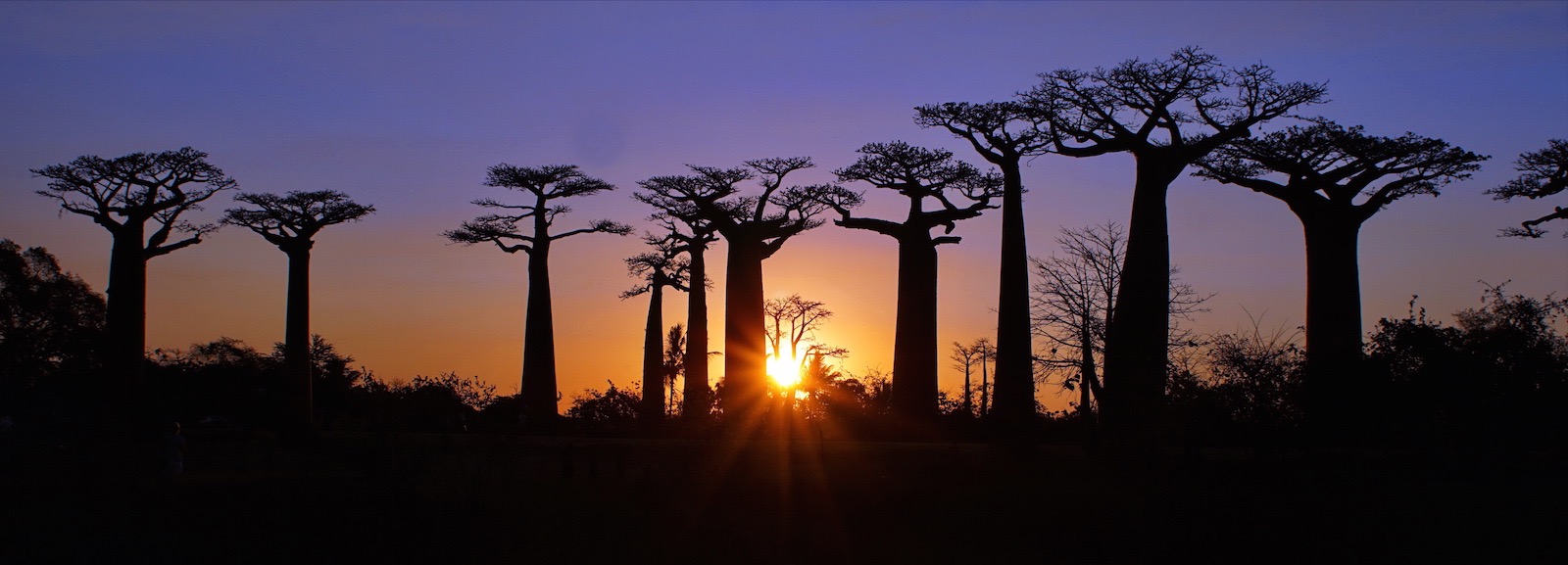
49 reptile species and 16 amphibian species have been identified, with a high rate of endemism: chameleons, day geckos, tree snakes. On the flora side, the forest is dominated by baobabs (notably Adansonia rubrostipa and Adansonia grandidieri), precious timber species, and a shrub layer adapted to long dry seasons.
When to go
The dry season, from May to October, is the most favorable period: trails are passable, temperatures are manageable and wildlife visibility is good. The months of September-October, warmer still, are ideal for observing reptiles.
The rainy season, from November to April, makes trails muddy and sometimes impassable. The forest is greener but access becomes uncertain, especially in January-February.
Practical information
Guided tour
Visits are mandatory with a local guide, who knows the trails and observation zones. Expect generally 2 to 4 hours for a classic loop, longer if you combine daytime and night excursions. Night outings, with a headlamp, allow you to observe mouse lemurs, sleeping chameleons and certain birds of prey.
What to bring
- Closed-toe shoes suitable for sandy and rocky trails
- Light, long-sleeved clothing, for protection against insects and sun
- Insect repellent, especially late in the day
- Water and snacks (no shops on site)
- Headlamp for night walks
- Binoculars and camera with some zoom capability
Entrance fees and guide charges remain moderate and are paid in cash, in ariary, either on site or through the agency arranging your transfer.
How to get there
Departure is from Morondava. Allow 1.5 to 2 hours of driving northeast, along the track leading to Belo-sur-Tsiribihina via the Avenue of the Baobabs. Trail conditions vary considerably depending on the season.
A 4x4 is strongly recommended, particularly outside the dry season. No regular public transport serves the forest: the simplest solution is to go through a local agency in Morondava, an independent guide, or a car rental with driver service. Some eco-conscious accommodations in the region also organize day trips.
What to combine in the region
- Kirindy Forest: another dry forest in Menabe, about thirty kilometers further north, known for the fossa and its night outings.
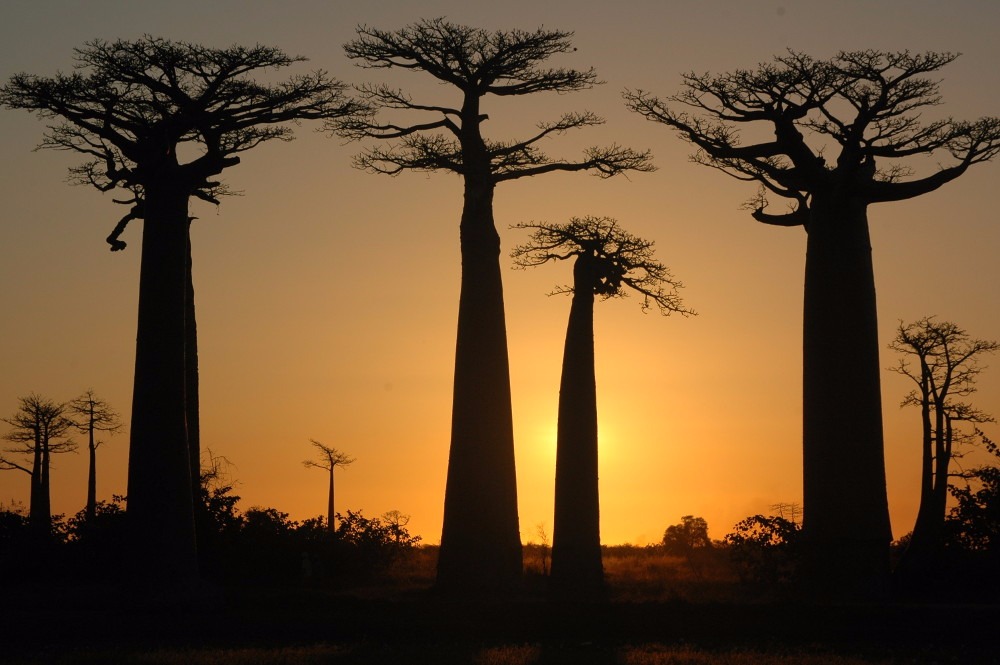
- The Avenue of the Baobabs, crossed on the track leading to Marofandilia, ideal at sunrise or sunset.
- Morondava: the logical base, with its beaches and Sakalava atmosphere.
- To extend into humid forests and diurnal lemurs: Ranomafana National Park, on the other side of the island.
Frequently asked questions
Frequently asked questions
Yes. Visits are conducted with a local guide, both for safety reasons (trails are poorly marked) and because he or she will spot the wildlife. You can book through an agency in Morondava, a local accommodation, or directly at the site entrance.
Yes, and it's actually one of the highlights of the site. Night excursions allow you to observe mouse lemurs, chameleons and certain birds of prey. Bring a headlamp and long-sleeved clothing.
This is the most common arrangement: all three sites are located on the same route from Morondava. Many travelers spend a full day at Marofandilia and the Avenue of the Baobabs, and add a night at Kirindy for night excursions.
Allow 2 to 4 hours for a classic daytime loop, and an additional hour for a night outing. Including travel time from Morondava, plan for a half-day to a full day.
Preparing your trip
Marofandilia fits into a broader itinerary around Menabe and western Madagascar. To build a coherent stay, consult our Madagascar travel ideas and combine dry forests, lemurs and the Mozambique Channel coastline.
Interested in this visit?
We can include it in your personalised itinerary.