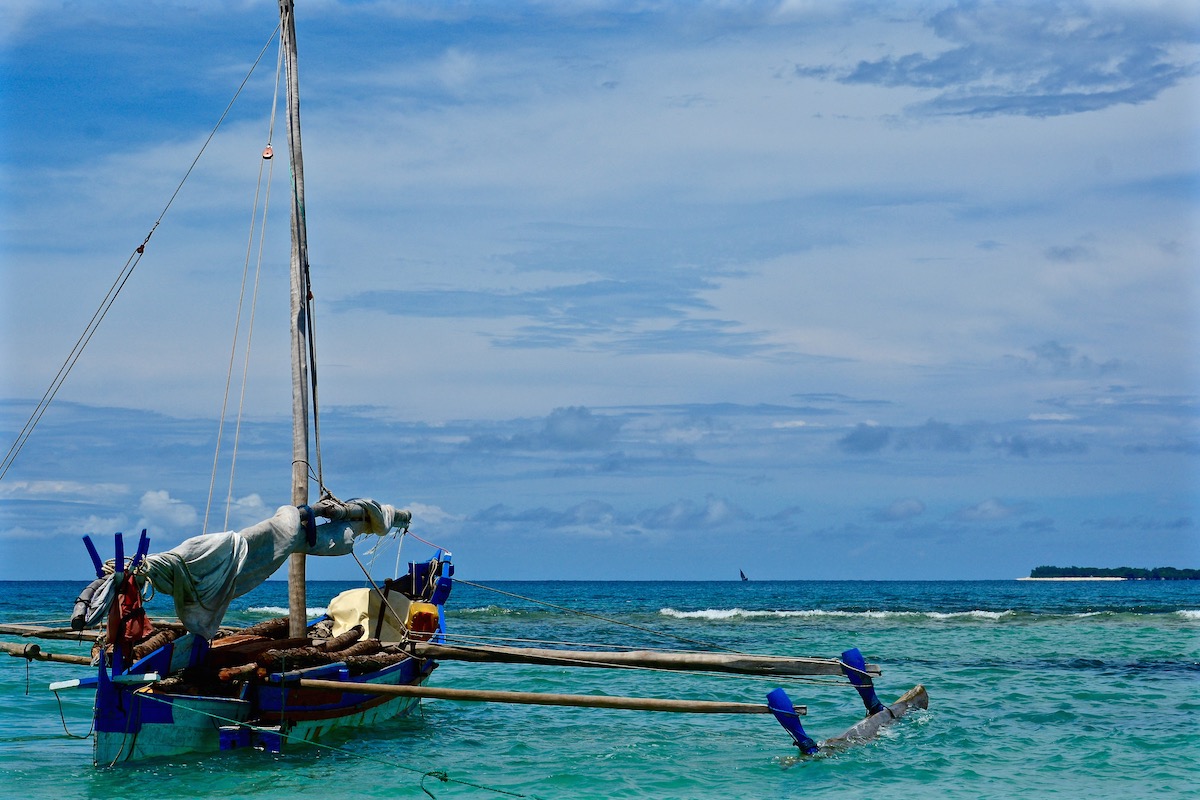
Ambanja
Ambanja, capital of its district in the Diana region, is Madagascar's cocoa capital. Situated on the Sambirano River, it also serves as a transit point to Nosy Be via the port of Ankify.
Ambanja is a city in northwestern Madagascar, capital of its district in the Diana region. Nestled on the banks of the Sambirano River, it is known as Madagascar's cocoa and vanilla capital. It is also a transit point to Nosy Be and the Ankify peninsula. The Sambirano Valley, one of the island's most fertile regions, gives the city a distinctly agricultural and commercial atmosphere, quite removed from the nearby tourist coastline.
Practical Information at a Glance
- Access: National Road RN6 from Diego Suarez (Antsiranana) to the north or Mahajanga to the south; shared taxis available.
- To Nosy Be: The city is the main overland departure point for the port of Ankify, from which boats depart for Nosy Be.
- Recommended duration: Half a day to a full day is enough to explore the city and nearby plantations.
- Best time to visit: Dry season (May to October) for passable roads and more pleasant plantation visits.
What to See
Ambanja's central market reflects the local economy: cocoa beans, vanilla pods, cloves, and ylang-ylang are traded there. The cocoa plantations of the Sambirano Valley produce fine cocoa with flavors recognized internationally. A few cooperatives and estates welcome visitors, allowing you to follow the transformation chain from bean to chocolate bar.
History and Context
The Sambirano Valley was developed agriculturally from the late 19th century onward, as climatic conditions—high humidity and volcanic soil—proved ideal for cocoa cultivation. Ambanja developed as a collection and shipping hub for the region's agricultural products. Today, Sambirano cocoa is used by several European premium chocolate makers.
Highlights of Your Visit
Cocoa Plantations
A plantation visit allows you to observe cacao pods directly on cacao tree trunks, the fermentation of beans, and the drying process. Some estates offer tastings of locally produced artisanal chocolate. Contact your local agency for information on estates open to visitors.
Ambanja Market
The market is lively in the early morning. You'll find spices, tropical fruits, and agricultural products from the valley. It's a good place to observe the city's daily life before heading back on the road.
The Sambirano River
The banks of the Sambirano offer views of dense vegetation. The river marks the heart of the agricultural zone and can be explored on foot or by pirogue, depending on conditions.
Photography Tips
Morning light is ideal for photographing the market and spice stalls. In the plantations, the filtered understory works well for photos of colorful cacao pods on trunks. Always ask permission before photographing people or agricultural workers.
Location and Access
Ambanja is located in northwestern Madagascar, approximately 100 km south of Diego Suarez via RN6. The port of Ankify, the embarkation point for Nosy Be, is accessible from Ambanja via a track. Shared taxis regularly connect the city to Diego Suarez (Antsiranana). Accessibility for people with reduced mobility in the city remains limited due to the state of the roads.
Nearby
- Nosy Be — The island of perfumes, Madagascar's premier northern beach destination, accessible via the port of Ankify.
- Diego Suarez (Antsiranana) — Historic port city to the north, departure point for Diego Bay and Montagne des Français.
- Ankify — Small port where boats depart for Nosy Be, with a tranquil beach.
Frequently asked questions
The dry season, from May to October, offers more passable roads and pleasant weather for visiting plantations. The rainy season (November to April) makes some tracks difficult to access.
Some cooperatives and estates organize visits, but it is advisable to go through a local agency to identify those that welcome visitors and to facilitate communication.
Yes. Ambanja is the main overland transit point before the port of Ankify, from which boats depart for Nosy Be. Many travelers make a one-night stop here.
Half a day is enough for the market and a city tour. Plan a full day if you wish to visit a cocoa plantation in the Sambirano Valley.
Follow the guidelines of the plantation staff, do not pick anything without permission, and ask for permission before photographing workers.
Want to discover this destination?
Our local advisors design your tailor-made trip.