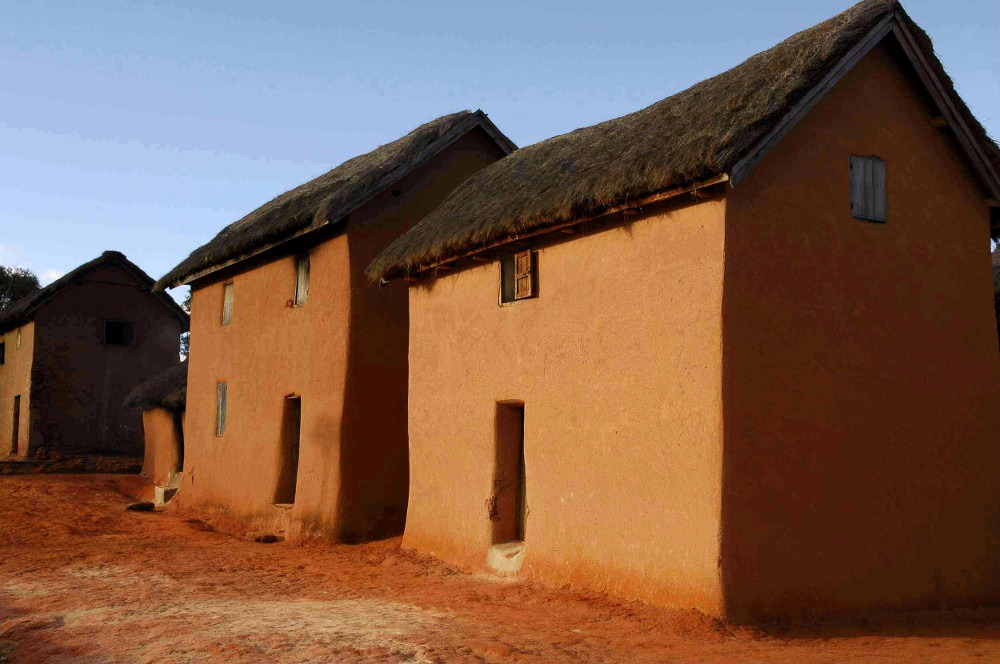
Andranomanga
Andranomanga, in the Analamanga region, blends forested hillscapes, natural springs, and ancient Malagasy traditions. A natural and spiritual site easily accessible from Antananarivo.
Andranomanga is a village and natural site located in the Analamanga region, roughly fifty kilometers north of Antananarivo. The place is known for its forested hills, distinctive rock formations, and sacred significance in Malagasy tradition. It draws visitors seeking nature and spirituality away from the capital's hustle.
What to See
The site stands out for its hillside landscape covered in eucalyptus and pine forests, dotted with characteristically shaped boulders. Natural springs—the village's name itself testifies to their presence (rano means "water" in Malagasy)—flow through the territory. The vegetation contrasts sharply with the bare plateaus typical of the Highlands.
History and Context
Andranomanga fits into the sacred geography of Madagascar's Highlands. Several hills and springs in the Analamanga region are associated with fady (local taboos) and ancestral practices. The village's name directly evokes the presence of water—a precious and symbolically powerful resource in Merina culture.
Location and Access
The village sits in the Analamanga region, north of Antananarivo. Access is primarily via the national highway connecting the capital to northern districts. A four-wheel-drive vehicle or sturdy car is recommended depending on secondary road conditions. Local agencies based in Antananarivo offer day excursions to this area.
Nearby Attractions
- Antananarivo — Madagascar's capital and natural starting point for exploring the Analamanga region.
- Ambohimanga — a royal hill designated as a UNESCO World Heritage site, a major historical and spiritual site in the Highlands.
- Lac Mantasoa — a reservoir lake surrounded by pine forests, prized for relaxation and water activities.
Frequently asked questions
The dry season (April to November) offers more passable roads and clear skies. Avoid the rainy season (December to March) if you plan to use secondary roads.
Yes. Both sites lie in the Analamanga region north of Antananarivo. A well-organized day excursion allows you to visit both, provided you start early in the morning.
As with many Highlands sites, local fady (taboos) may apply. Check with your guide or locals before venturing into certain areas or springs.
A local guide is highly recommended to navigate the trails, understand the cultural context, and respect local customs. Antananarivo-based agencies can arrange one.
Half a day is enough to explore the site. Plan a full day if you wish to combine the visit with other locations in the Analamanga region.
Want to discover this destination?
Our local advisors design your tailor-made trip.