Itampolo
Itampolo
After 9 hours on a dirt track, Itampolo reveals a turquoise lagoon, a coral barrier and the Vezo and Mahafaly culture of southwest Madagascar.
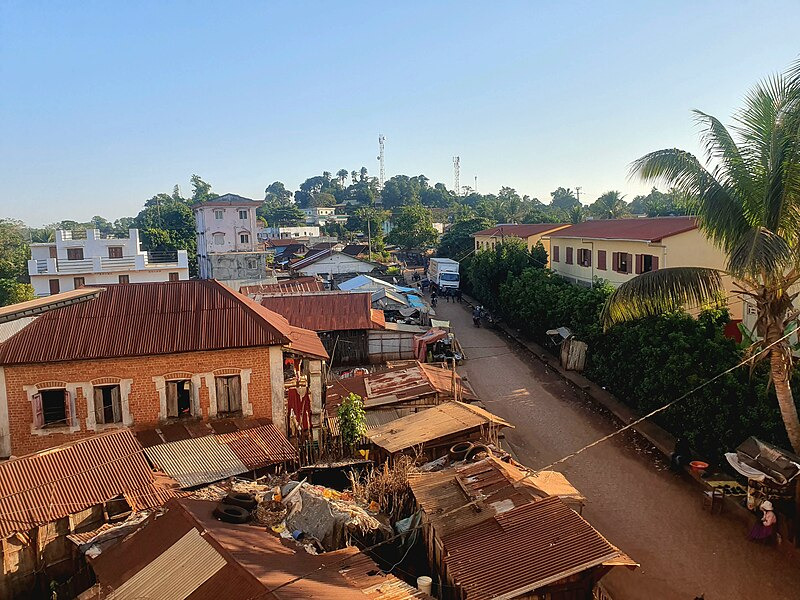
Itampolo doesn't reveal itself easily, but the effort is richly rewarded. This small remote village in southwest Madagascar seems suspended outside of time, like a forgotten postcard landscape. Life here moves to the rhythm of the sea, ox-carts replace cars, and traditions remain vibrantly alive. A true haven for travelers seeking authenticity and escape.
Living to the Rhythm of the Vezo and Mahafaly
The Vezo, sea fishermen, and the Mahafaly, cultivators of the south, embody the soul of Itampolo. Fishing is the village's primary activity, and cultural traditions are omnipresent.
Here begins the territory of the Mahafaly, a people renowned for their singular funerary art. Their colorful tombs, often adorned with carved poles called aloalo, tell the life stories of the deceased through symbolic and sometimes erotic scenes. These funeral monuments, erected in the sand, are true celebrations of life.
The zebu also holds a central place in local culture: present in every household, it accompanies man throughout his existence. The number of horns on tombs testifies to the wealth of the deceased. On the sandy paths leading to the village, it's not uncommon to encounter carts pulled by these sacred bovines.
What to Do in Itampolo?
Between crystalline lagoon, wild dunes and living traditions, Itampolo offers a rare and profoundly exotic experience. Here are the must-do activities:
Relaxing at Salapaly Bay Beach
Spectacular sand, coconut palms and translucent waters: this still-undiscovered beach is a natural jewel. It's also here that the southern tip of an immense coral barrier extends, a refuge for exceptional marine biodiversity.
Snorkeling in the Coral Reefs
The Itampolo lagoon, shallow and inviting, is perfect for snorkeling beginners. Sea turtles, tropical fish, invertebrates and colorful corals abound here. The Tapikara reef, 5 km from the beach, stands out for its shallow depth (6 m) and great diversity: Porites, Pavona, blue, pink and green Acropora…
Traditional Pirogue Sailing on the Lagoon
Set out with a Vezo fisherman for a traditional outrigger canoe ride. An authentic, calm and immersive experience, perfect for observing the coast from the sea and enjoying another perspective on this preserved territory.
Bivouacking at Sunset
As dusk falls, the beach becomes magical: pirogues line the sand, nets dry in the wind, and the sky ignites with warm hues. For travelers seeking adventure, camping on the beach offers a unique night, lulled by the waves.
Discovering the Friday Market
On Fridays, the neighboring village comes alive to the rhythm of its weekly market. Ox-carts, local produce and the aroma of fresh fish compose a vivid tableau of rural daily life. It's also the perfect opportunity to savor grilled langoustine, just pulled from the lagoon.
FAQ
When to Visit?
Climate Throughout the Year
- December to March: the warmest period, with peaks at 32 °C. Some rainfall may occur, but it remains moderate.
- April to November: cooler and drier season, with averages between 24 °C and 29 °C.
- July to September: the driest months, perfect for outdoor activities, bivouacking or marine excursions.
Best Time to Visit
The best period extends from April to December. The climate is then ideal for sea outings, snorkeling or beach camping. It's also between July and November that you can observe humpback whales migrating along the coast.
To reach Itampolo, the simplest way is to take a flight from Antananarivo (TNR) to Tuléar (TLE), in approximately 2 hours. From Tuléar, several options await you:
- Via RN10: approximately 9 hours of driving (370 km) through arid landscapes.
- From Anakao: a spectacular 140 km coastal track, accessible by
- From Fort-Dauphin (Tolagnaro): a long journey of 444 km, approximately 15 hours, reserved for experienced travelers.
A four-wheel-drive vehicle is essential for these routes, especially during the rainy season.
What to Eat in Itampolo?
Between a fish-rich lagoon and local livestock, Itampolo offers simple, flavorful cuisine deeply rooted in its terroir. Here's what you can enjoy on site:
- Grilled langoustine: freshly caught, often cooked over wood fire.
- Marinated or sautéed octopus: with flavors of garlic, ginger and lemon.
- Tropical fish: captain, tuna, red mullet, snapper, served grilled or in sauce.
- Zebu fillet: tender and savory, accompanied by vegetables or fries.
- Lamb or goat meat: on skewers or in stew, depending on availability.
- French-inspired dishes: available at certain accommodations (buttered fish, simple desserts, wine sauces…).
The consumption of sea turtles or sharks, while practiced by some fishermen, remains taboo for much of the population and is prohibited by responsible establishments.
What to Discover Around Itampolo?
Itampolo can also serve as a base for exploring the wonders of southwest Madagascar:
- Tsimanampetsotsa Reserve: north of the village, this nature reserve is home to ancient baobabs, lemurs and an endemic blind fish. Colonies of pink flamingos add a spectacular touch.
Want to discover this destination?
Our local advisors design your tailor-made trip.