Madagascar Today: A Peaceful Climate Perfect for Travel
Madagascar's situation has significantly improved since autumn 2025. After three weeks of tension, the Red Island has regained its political stability and local life has resumed its normal pace. Today our country aspires to one thing: welcoming you to our lands!
Madagascar's situation has significantly improved since autumn 2025. After three weeks of tension, the Red Island has regained its political stability and local life has resumed its normal pace. Today our country aspires to one thing: welcoming you to our lands! Follow us as we take stock of the origins of the conflicts and the context, for a safe trip to Madagascar.
Madagascar's Political Situation: Understanding Before You Travel
Return to Stability Since October 17, 2025
Since October 17, 2025, Madagascar has returned to a serene climate. The tensions of September eased following the swearing-in of Michaël Randrianirina, designated as "president of refoundation" – a transitional position distinct from an elected mandate, but designed to guide the country toward a new political phase.
He succeeds Andry Rajoelina, who stepped down after 17 days of tension in the country. The initial signals sent by the new President are highly encouraging: humility, respect, listening to citizens, and a genuine commitment to reconciliation.
Coupled with an institutional transition overseen by the High Constitutional Court (HCC), these signals point toward progressive stability, essential for the revival of tourism and economic activity.
Reflecting on the Conflict (and Its Positive Outcome)
The political change, initiated by Generation Z (Gen Z) – Madagascar's youth – quickly resonated with the wider population; residents, unions, and civil servants equally revolted by corruption and repeated water and electricity outages crippling the country.
It all began on September 25, when thousands of Malagasy took to the streets of Antananarivo to protest. The protest movement (though peaceful) emerged on social media at the initiative of the collective "Gen Z Madagascar."
The aim of these gatherings was to reassert fundamental rights, particularly access to water and electricity. The situation nevertheless escalated and led to unrest. The pressure exerted by these mobilizations led to Andry Rajoelina's departure.
Madagascar Today: A Serene Country Ready to Welcome You
A Daily Life That Has Returned to Flowing, Positive Momentum
International flights are operating normally again. Airlines Air France, Air Austral, Corsair, Ethiopian Airlines, and Kenya Airways have resumed their regular schedules. Madagascar Airlines meanwhile operates domestic connections. Travelers can therefore reach the island without difficulty, facilitating the gradual revival of the tourism sector.
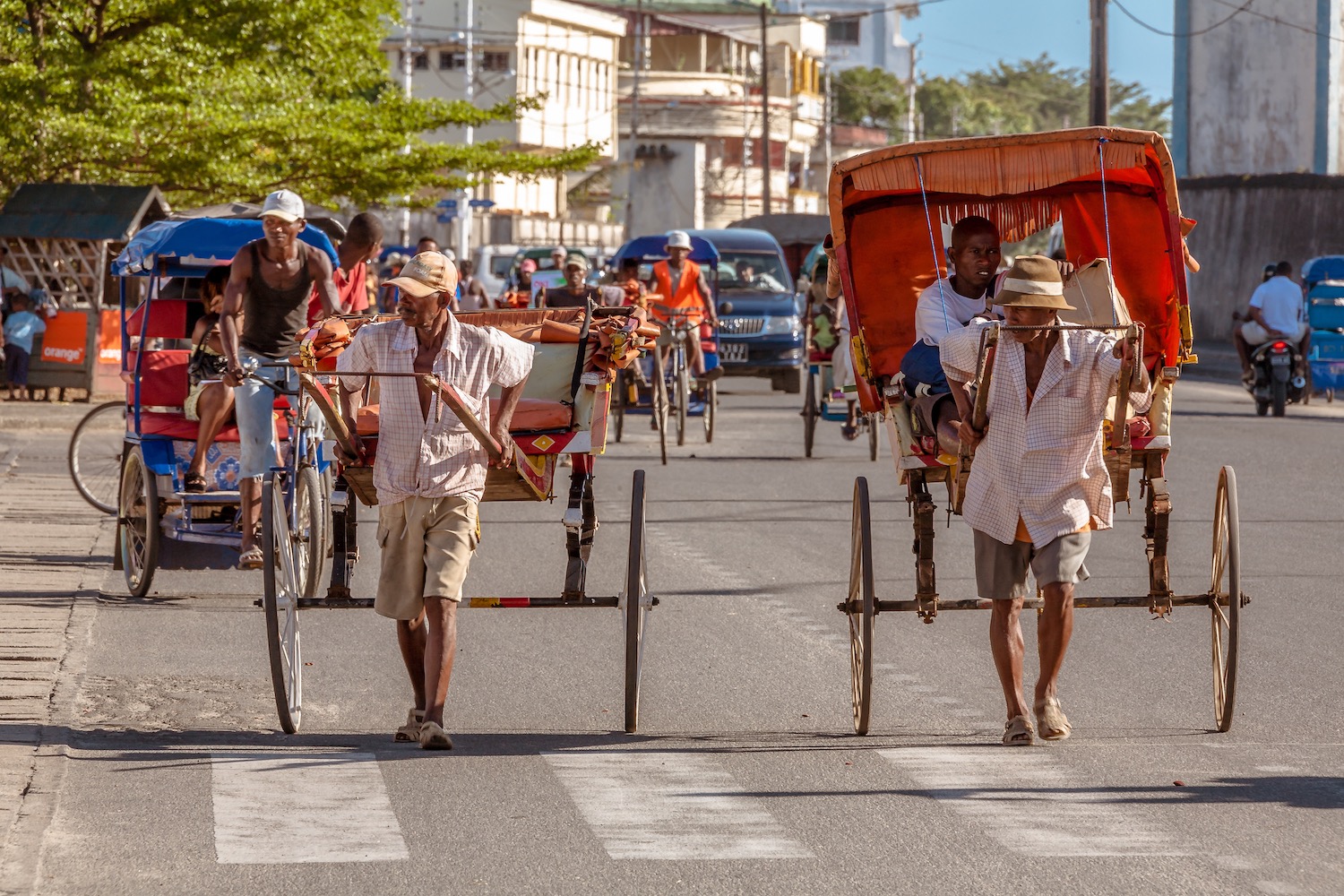
On one hand, daily life has returned to its rhythm: markets are bustling and streets alive again! On the other, tourism is bouncing back with visitor numbers stabilizing. Both residents and visitors can fully enjoy a peaceful and safe environment.
Positive Momentum for Tourism
The period of political transition has opened a new chapter for Madagascar. This change comes after a succession of events leading to significant institutional reorganization. These weeks of tension did have a notable impact on tourism, occurring as they did during peak season, a crucial time for the local economy. Today, the situation is improving and creating a climate more conducive to travel.
Rediscover the Country's Beauty
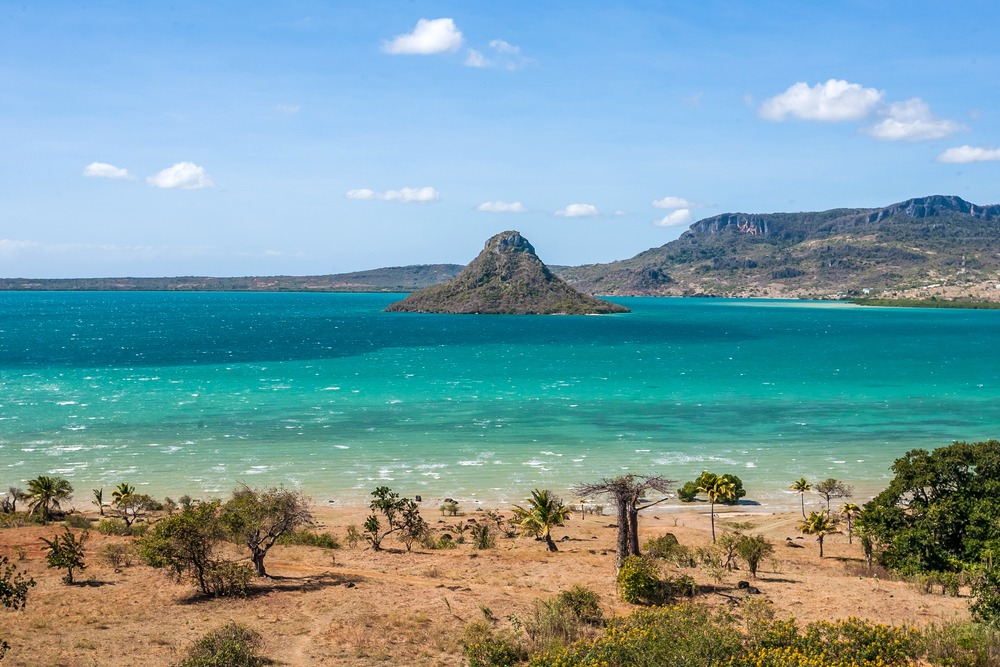
Madagascar offers a remarkable diversity of landscapes comprising forests, limestone formations, mountains, and paradisiacal beaches. Additionally, the creation of the Foundation for Protected Areas and Biodiversity of Madagascar (FAPBM) in 2005 has strengthened protection and preservation of these natural treasures.
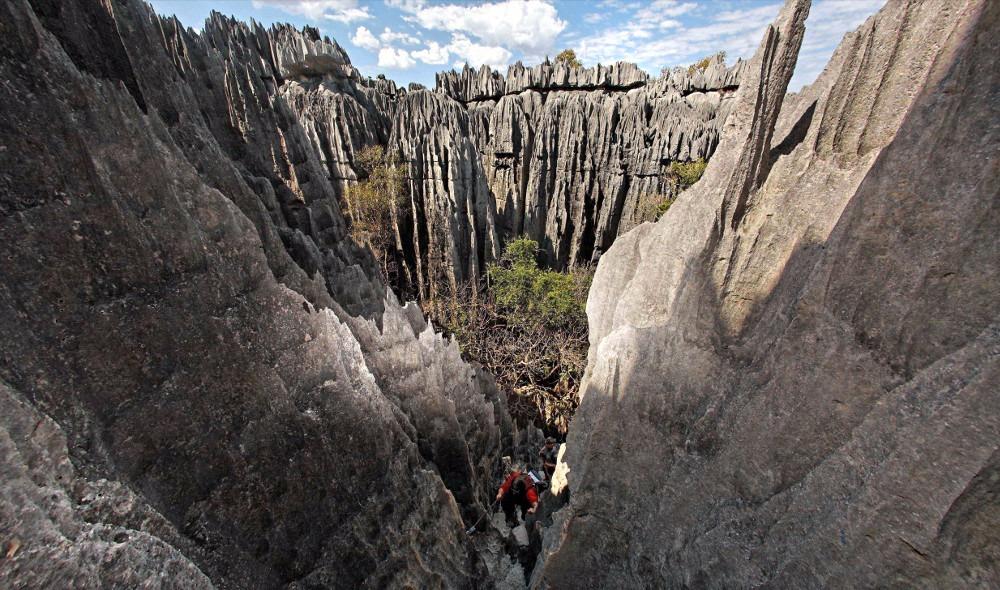
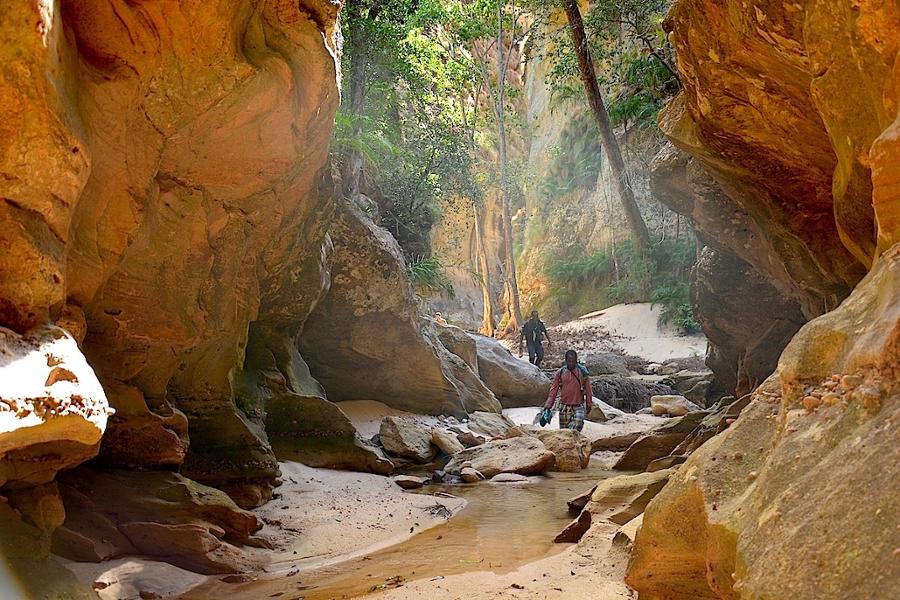
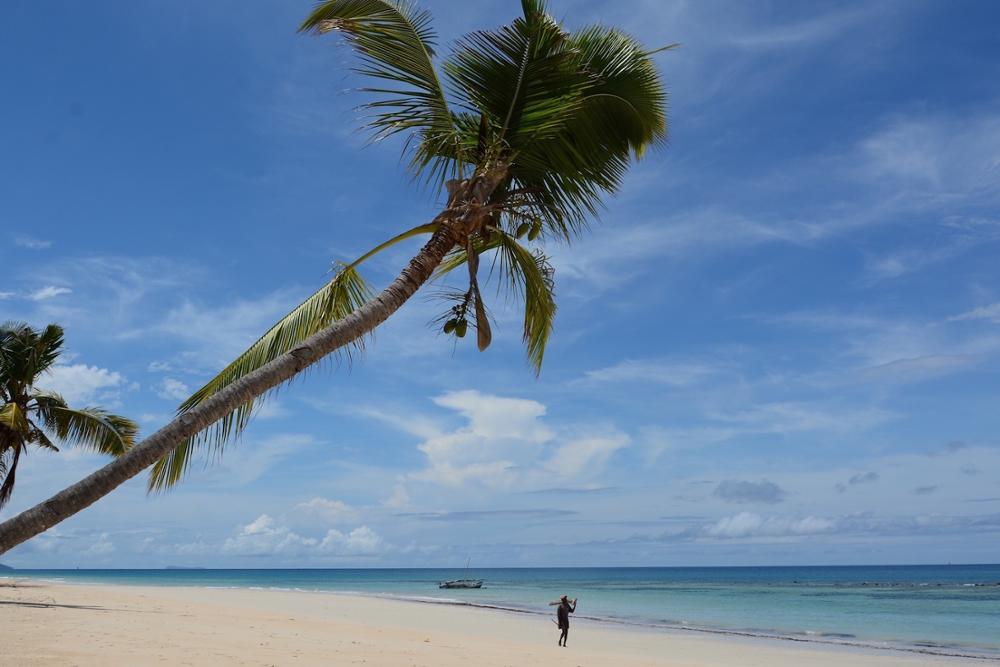
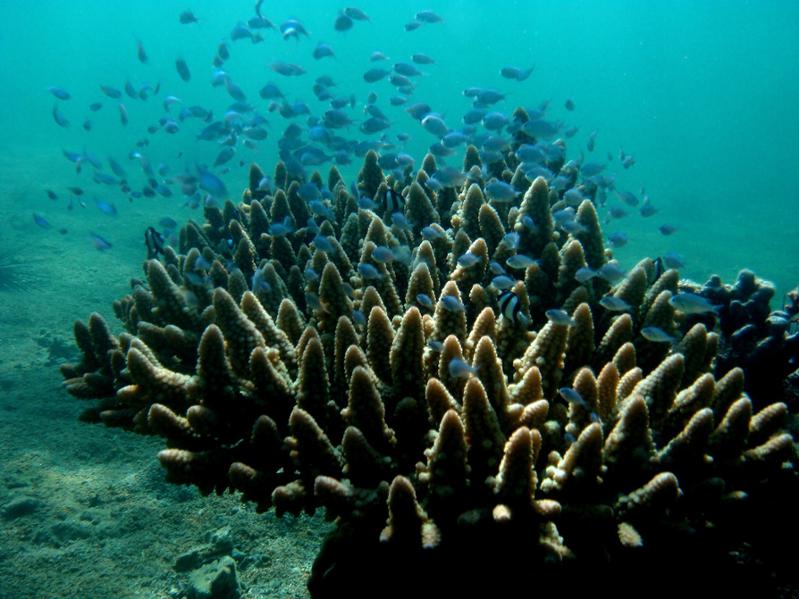
Among the most remarkable sites are the Nosy Be Marine Park (nicknamed the "natural aquarium" due to its beauty, abundance, and diversity), as well as the Nosy Antanihely Marine Park, also called Nosy Tanikely.
Thanks to reef protection, the marine depths are home to sea turtles, rare or endangered fish species (such as the coelacanth), as well as humpback whales – which can be spotted off the bays of Sainte-Marie Island from July to October.
Traveling to Madagascar: A Solidarity and Responsibility Act
In Madagascar, tourism is an essential sector for many regions. Behind every trip are drivers, guides, artisans, accommodations providers, and families whose livelihoods depend on these activities. On average, a 15-day circuit engages approximately sixty local stakeholders – a figure that underscores the importance of structured and sustainable tourism for Madagascar's economy.
👉 Traveling responsibly means, first and foremost, supporting solid local initiatives that fairly compensate their teams, respect national regulations, and contribute to balanced sector development.
At Détours Madagascar, all our partnerships are established with this logic in mind: strengthening a solid local fabric, valuing Malagasy expertise, and creating experiences that benefit both travelers and the communities that welcome them.
Our mission does not stop at our trips: we participate in a collective approach, designed on a national scale and open internationally to support fairer and more sustainable tourism.