Betsimisaraka, the inseparable many of Madagascar's eastern coast
The Betsimisaraka, literally "those who do not separate", constitute a significant Malagasy ethnic group occupying the East coast of the island, from Mananjary to Vohémar. They are indeed the second
The Betsimisaraka, literally "those who do not separate", constitute a significant Malagasy ethnic group occupying the east coast of the island, from Mananjary to Vohémar. They are indeed the second largest tribe of Madagascar.
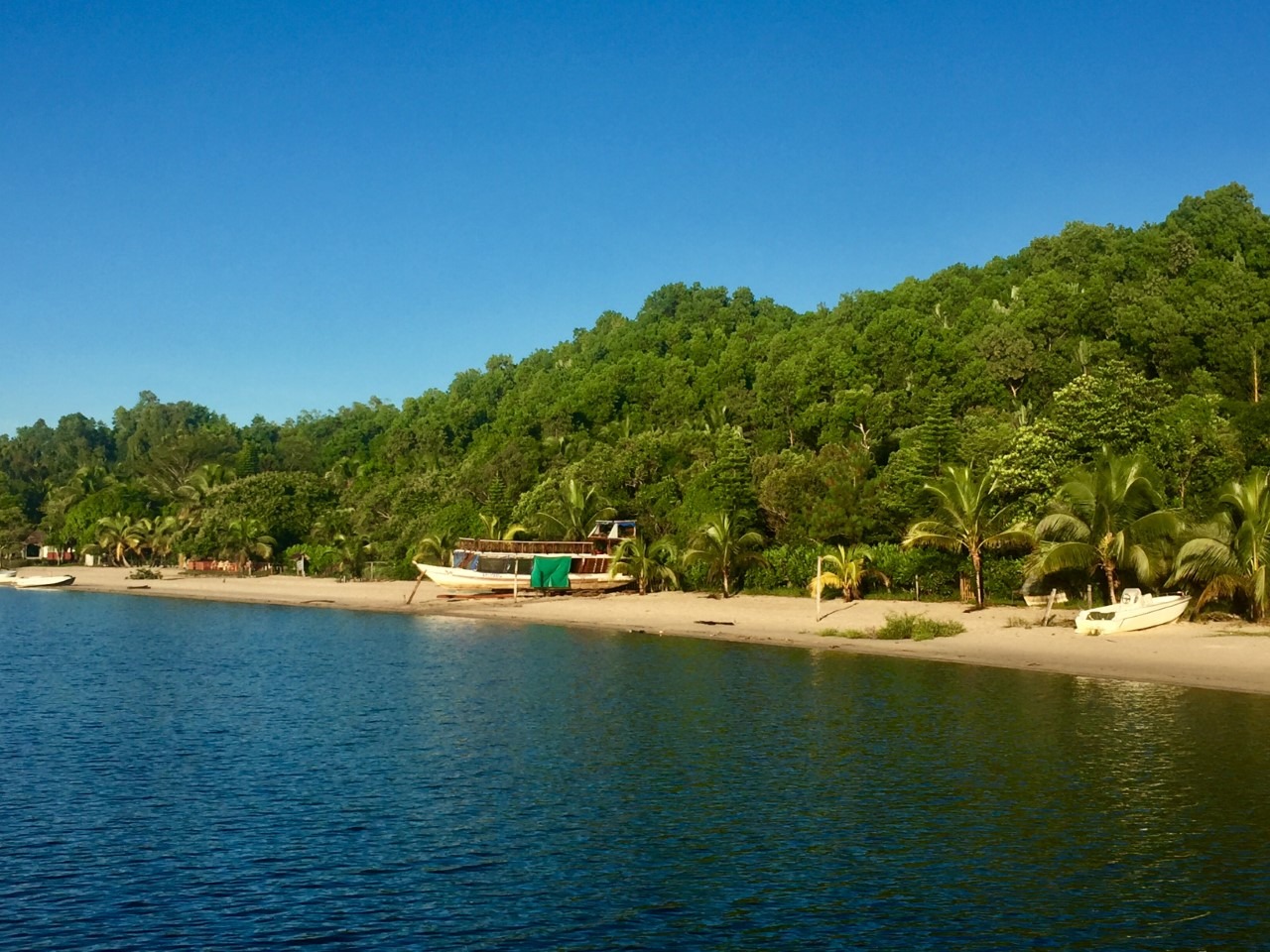
Living in a humid tropical climate, this warm-hearted people draw their culture—imbued with nonchalance and joie de vivre—from the rich natural backdrop of dense forest, lush vegetation, and long stretches of white sand beach.
The Birth of the Betsimisaraka Kingdom
It was around 1720 that Ratsimilaho, son of English pirate Thomas White and the Malagasy woman Rahena, conquered Fenoarivo, or "the city of a thousand warriors", with the help of peoples from the north called the Antavaratra. He later is said to have forged a blood pact with the chiefs of allied tribes in order to strengthen their alliance forever. Thus was born the first Betsimisaraka Kingdom, over which this conqueror ruled under the name of Ramaromanompo, or "he who is served by many people".
The Betsimisaraka People
This large ethnic group comprises approximately 1.5 million Betsimisaraka spread across roughly 72,000 km² of Madagascar's eastern coastline. They are a sedentary people who live primarily from slash-and-burn agriculture and fishing. This part of the island follows a social organization based on a chieftaincy system called tanky. Each chieftaincy brings together descendants of the same lineage sharing a common ancestor and a lônjobe or main tomb, and is governed by a set of fady (taboos). A lineage may divide into sub-lineages called taranaka and lead to the creation of a secondary tomb known as tranomanara.
The Life of the Betsimisaraka
In major cities like Toamasina and Mananjary, lifestyle is heavily influenced by the West, but beyond these urban centers, traditional ways of living still persist. Many Betsimisaraka still inhabit structures made of vegetation on stilts, known as trano falafa, and live from agriculture (particularly slash-and-burn rice cultivation), fishing, and herding.
Collective mutual aid, or the famous firaisan-kina (a derivative of fihavanana), remains very much alive in Betsimisaraka villages. Whenever the occasion arises, people celebrate: collective singing and dancing, characterized by swaying hips reminiscent of Polynesian dances.
Men and Women in Betsimisaraka Society
Women wear the lambahoany (long patterned cloth) and apply masonjoany (beauty mask and sun protection) daily, or else a blouse or akanjobe and a fitted skirt or saimbo. Men sometimes wear the lambahoany, otherwise shorts and a shirt or T-shirt.
Although the man is the head of the household and village, the woman is the mistress of the house and her opinions are always seriously considered. Women retain the possessions they have inherited or been given, and in case of divorce, shared property is divided equally, unlike the custom of the Highlands.
Ancestor Veneration
As in all Malagasy societies, ancestors influence the daily life of the Betsimisaraka. The famadihana or tsaboraha (turning of the bones) and the joro (communication with ancestors) are two deeply important ceremonies. Tombs are always situated far from villages, deep within the forest, and constitute sacred places. Nosy Antafana, one of the islets in the Mananara Nord marine park, was once a burial ground.
The Betsimisaraka and the Forest
According to Betsimisaraka belief, the forest is a sacred place where the dead are buried and where supernatural beings also dwell, particularly tsiny and kalanôro. It is a place of danger where the transformation of death occurs. One never enters it without being accompanied by one's dog or without carrying a knife.
To cultivate rice safely, it is therefore essential to burn all surrounding trees. This explains the practice of slash-and-burn agriculture! Economic hardships and the arrival of new migrants, however, tend to shift mindsets and "eclipse" some of these beliefs.