Mont Passot
Mont Passot
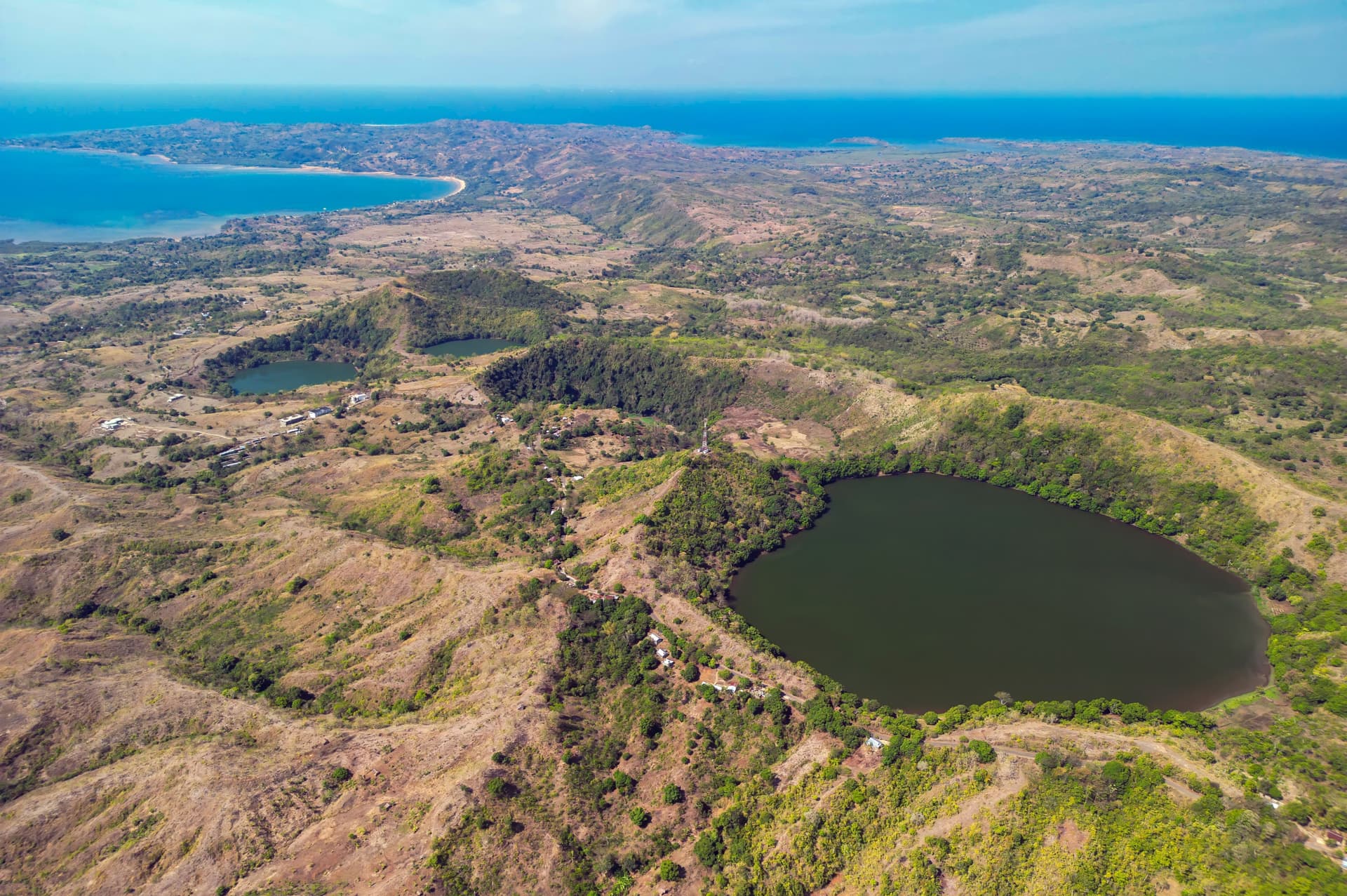
At 329 meters above Nosy Be, Mont Passot dominates nine sacred crater lakes and offers panoramic views over the islands of northwestern Madagascar.
Mont Passot, known locally as Bongo Pisa, peaks at 329 meters above Nosy Be. This volcanic summit provides a sweeping vantage point over sacred crater lakes, ylang-ylang plantations, and neighboring islands in northwestern Madagascar. Beyond the panorama, the site encapsulates the history of the Sakalava kingdom and the fady (taboos) that still govern local life.
Why climb Mont Passot
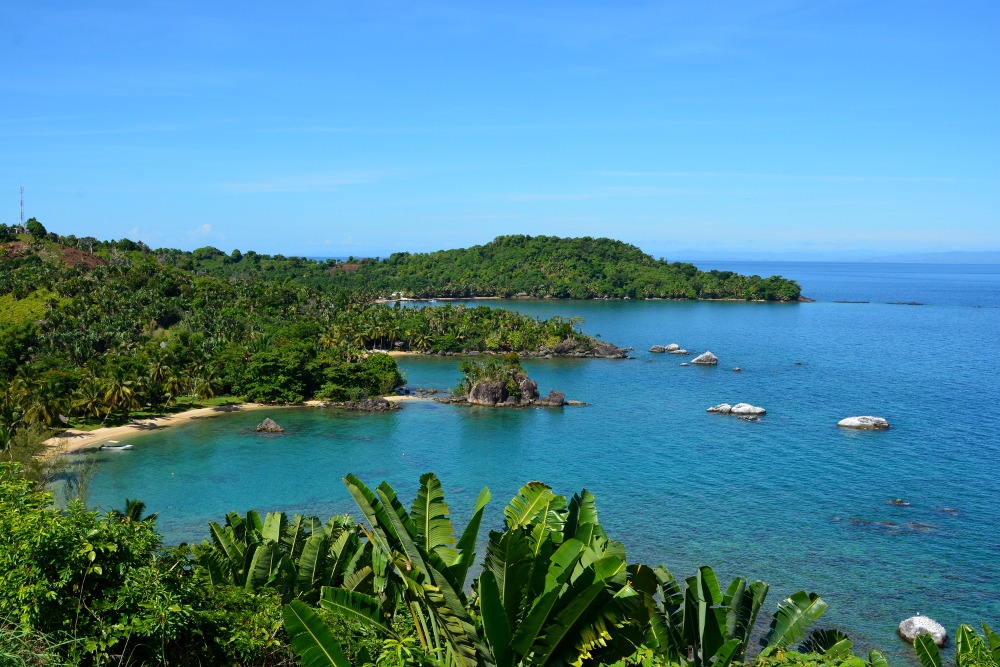
Mont Passot combines three rarely-united features on a single Nosy Be site. First, a 360° natural belvedere overlooking the nine crater lakes, the Mozambique Channel, and the satellite islands Nosy Mitsio, Nosy Faly, and Nosy Komba. Second, a sacred site for Sakalava culture, where the lake crocodiles are believed to embody the spirits of ancient kings. Finally, a sunset observation point—the unobstructed western horizon makes the summit one of the most visited spots at day's end.
The summit has been developed with amenities: restrooms, craft stalls, orientation table, railings, and restored stairs facilitate access and landscape interpretation.
History and legends
Before colonization, Nosy Be was part of the Sakalava kingdom of Boina. In 1840, Queen Tsiomeko, fleeing invasion from the highland Merinas, took refuge on the island and sought French protection. The protectorate was formalized in 1841, under Captain Pierre Passot, whose name was given to the mountain.
Sacred lakes and fady
The nine crater lakes surrounding the summit lie at the heart of local belief systems. The crocodiles inhabiting some of them represent the spirits of ancient Sakalava kings. Visitors must respect the fady: swimming, fishing, and boating are prohibited. This respect is not a tourism formality, but a condition of being welcomed on the site.
What to see and do
The panorama and lakes
From the orientation table, your eye sweeps over several crater-bound lakes, sometimes rimmed with dense vegetation. The waters harbor Madagascar's endemic fish, notably Paratilapia and Ptychochromis, two cichlid genera found only on the island.
Surrounding plantations
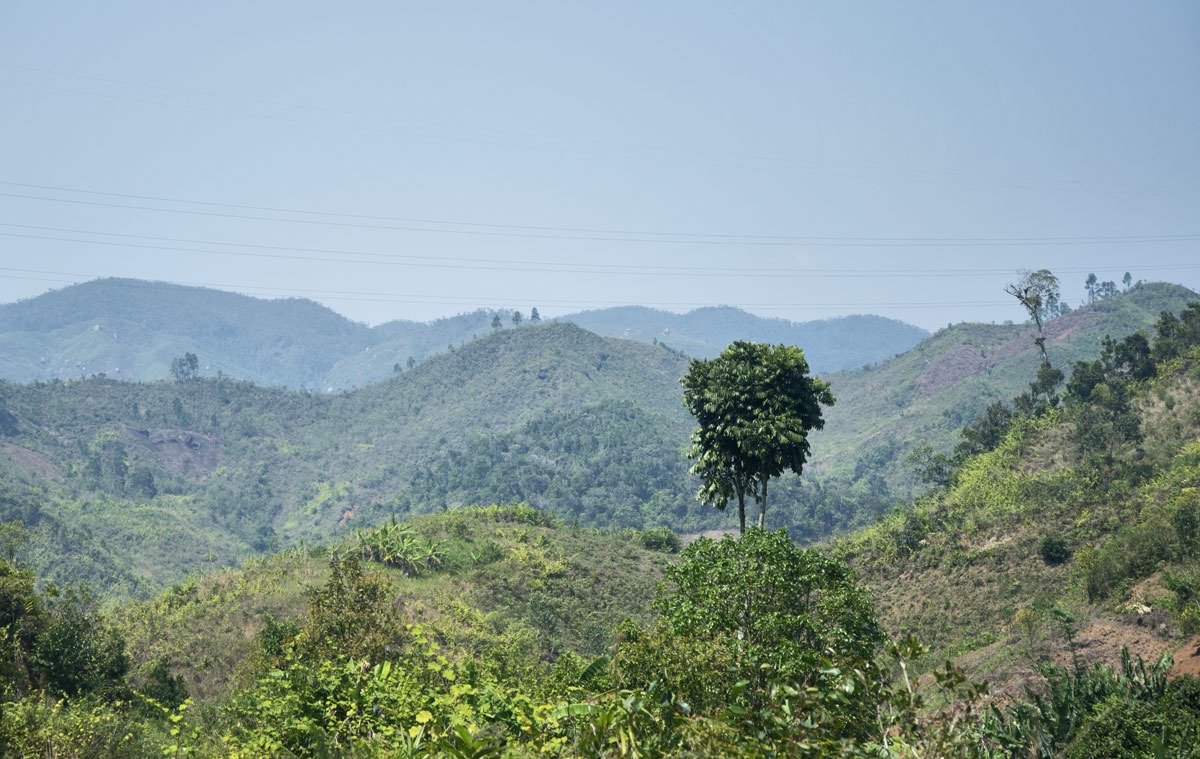
The slopes and valleys are occupied by ylang-ylang plantations, vanilla, and coffee farms. Ylang-ylang, distilled locally, supplies the fragrance industry and defines Nosy Be's distinctive scent.
Three hiking trails
- Antsahamanavaka: a botanically-focused route featuring Malagasy medicinal plants and a waterfall.
- Antsidihy: a trail crossing a suspension bridge and passing through plantations.
- Amparihibe: exploration of Nosy Be's water reservoir, surrounded by coffee, vanilla, and orchid plantings.
Crafts at the summit
Stalls at the viewpoint feature sculptors and embroiderers from the region. An opportunity to take home pieces produced locally rather than from Hell-Ville shops.
Practical information
- Duration: allow 1 to 2 hours for the belvedere and crafts; a half-day if you combine with a nearby trail.
- Level: accessible by car near the summit, then restored stairs. No significant physical difficulty.
- Rates: modest entrance fee, typically paid on-site.
- Bring: water, hat, and provisions if staying past sunset to enjoy the evening light.
- Respecting fady: do not attempt to descend to the lakes or make contact with the water.
When to visit
Nosy Be enjoys a warm climate with temperatures between 24 and 32°C year-round. The most favorable period for Mont Passot is May through October: limited rainfall, generally clear skies, and better visibility over neighboring islands. The rainy season from December to March can reduce visibility and make certain trails slippery.
How to get there
Reaching Nosy Be
- By air from Antananarivo: regular domestic flights to Fascene Airport.
- Direct flight from Johannesburg: service operated by Airlink.
- International flights: depending on season, multiple connections from Europe and the Indian Ocean serve Nosy Be, sometimes via transfer.
- Overland route: from Ambondromamy, follow the RN4 then RN6 to Ambanja, reach Ankify, and board a speedboat to Hell-Ville.
From Hell-Ville to Mont Passot
By car, take the road toward Andilana, then turn toward Ambatoloaka. You'll pass through the village of Antsaholana, then Arapale, known for its mangoes in season. The final track leads directly to the parking area below the summit.
Nearby attractions to combine
- Nosy Be and its beaches (Andilana, Madirokely) for a beach stay.
- Ranomafana National Park for rainforest and lemurs, further south.
- Andringitra Massif if you venture toward the highlands and mountain scenery.
- Lemurs' Park near Antananarivo, in transit to or from Nosy Be.
Frequently asked questions
Frequently asked questions
No. The lakes are sacred in Sakalava culture and subject to fady: swimming, fishing, and boating are prohibited. Some lakes also harbor crocodiles.
A simple visit to the belvedere and craft stalls takes 1 to 2 hours. Combined with one of the trails (Antsahamanavaka, Antsidihy, or Amparihibe), plan a half-day.
Yes. The road climbs nearly to the summit, and the final section is equipped with restored stairs and railings. No hiking is required to reach the orientation table.
Late afternoon is most popular for light on the islands and sunset. Morning offers better visibility in clear weather and fewer crowds.
May through October, during the dry season. Rains from December to March can reduce visibility and complicate access to nearby trails.
Planning your trip
Mont Passot fits naturally into a stay on Nosy Be or a broader circuit through Madagascar. To build a customized itinerary including the northwestern coast, national parks, and highlands, consult our Madagascar trips.
Interested in this visit?
We can include it in your personalised itinerary.