Lemurs' Park
Lemurs' Park
Located 25 km from Antananarivo, Lemurs' Park brings together nine species of lemurs in semi-freedom and an endemic botanical collection across 5 hectares.
Located 25 km from Antananarivo, along National Route 1, Lemurs' Park is a private 5-hectare botanical park dedicated to observing lemurs in semi-freedom and preserving endemic Malagasy flora. The site combines guided tours, a vivarium, and educational programs for surrounding schools.
Why visit Lemurs' Park
The park concentrates nine lemur species and a botanical collection representative of the island within a compact area. It makes a useful stop at the beginning or end of a stay in Antananarivo: proximity to the capital allows a half-day excursion without heavy logistics, and the guided tour provides concrete insight into Madagascar's conservation challenges, where approximately 83% of vascular plants are endemic. Staff is largely drawn from nearby villages, anchoring the project in the local economy.
Park history
Lemurs' Park was established in the 2000s by Laurent Amouric and Maxime Allorge, grandson of botanist Pierre Boiteau, whose scientific work shaped the study of Malagasy flora. The project was built around hosting lemurs rescued from seizures or captivity, with the goal of rehabilitating them in an environment close to their natural habitat. The park operates through private partnerships, notably with Colas Madagascar and Total Madagascar, which support reforestation efforts and educational programs for school groups.
What to see
Nine lemur species
Lemurs roam in semi-freedom along a guided trail. Species present include:
- Eulemur macaco (black lemur): males with black fur, females with golden-brown fur and white tufts around their ears.
- Crowned sifaka: off-white to yellowish fur and dark head, characteristic bouncing gait of sifakas.
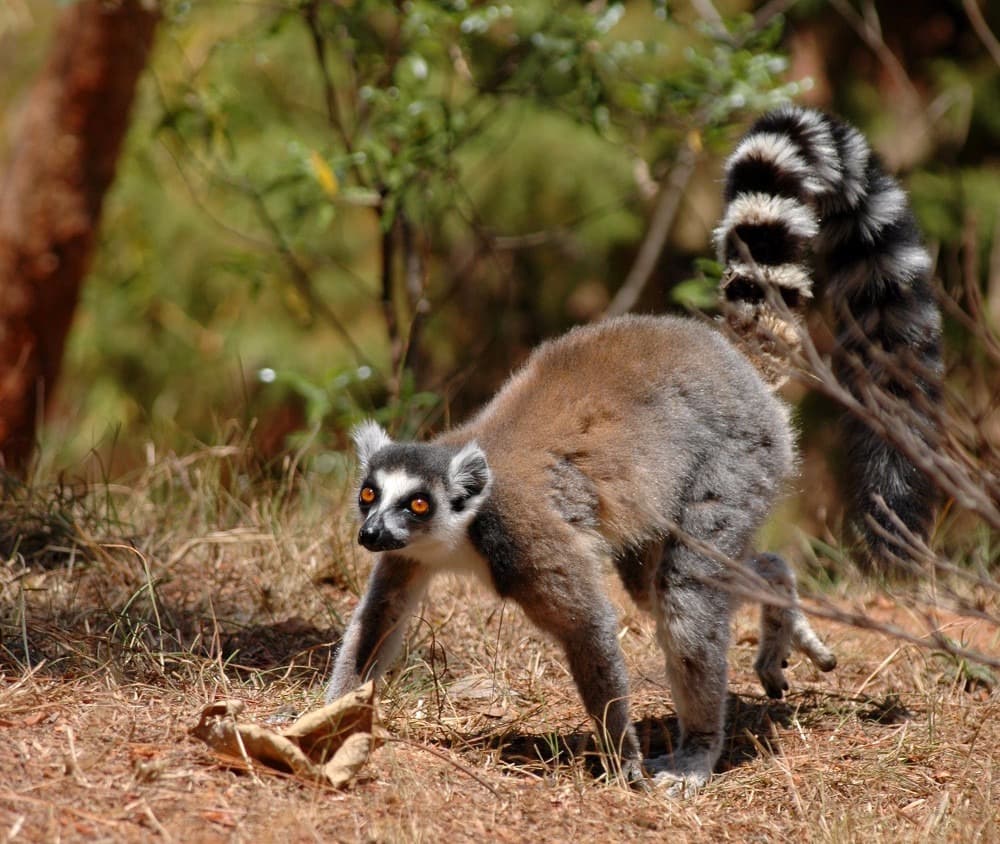
- Lemur catta (ring-tailed lemur): long black and white banded tail, the species most familiar to the general public.
- Gray gentle lemur: small lemur associated with bamboo forests, feeding on young shoots.
Guides explain each species' ecological role, particularly in seed dispersal, an essential mechanism for Malagasy forest regeneration.
Botanical collection
Over 70 plant species are present across the park's 5 hectares, with around forty endemic to Madagascar. The selection illustrates the island's habitat diversity, from humid forests to southern dry zones. Interpretation panels accompany the trail and help identify remarkable species.
Vivarium
A vivarium completes the visit with chameleons, radiated tortoises (an endemic threatened species), and various reptiles and lizards. It offers the chance to observe small Malagasy fauna rarely visible in the wild during a short stay.
When to visit
The most favorable period runs from May to November, corresponding to the dry season on the Highlands. September and October concentrate breeding seasons for several lemur species and offer the best observation conditions, with sustained animal activity in the morning. The rainy season (December to April) remains possible but may complicate travel on Route 1.
Practical information
The park is open daily with continuous hours and mid-afternoon closure. Admission remains moderate with differentiated rates for adults and children; guided tour is included. Plan about 1.5 to 2 hours on-site to enjoy the trail, vivarium, and explanations. Since hours and rates may change, verify before visiting.
The visit is family-friendly: accessible trails, short distances, direct animal observation. Visitors are asked not to touch the lemurs, which remain wild animals.
How to get there
- Private taxi from Antananarivo: journey of approximately 1 to 1.5 hours depending on traffic, particularly heavy leaving the capital.
- Shared taxi: from Andravoahangy bus station, direction Imerintsiatosika, with stop at Lemurs' Park on request.
- Organized excursion: several agencies offer visits combined with other sites in the Antananarivo region.
Nearby attractions
The park lends itself well to a circuit around the capital and beyond:
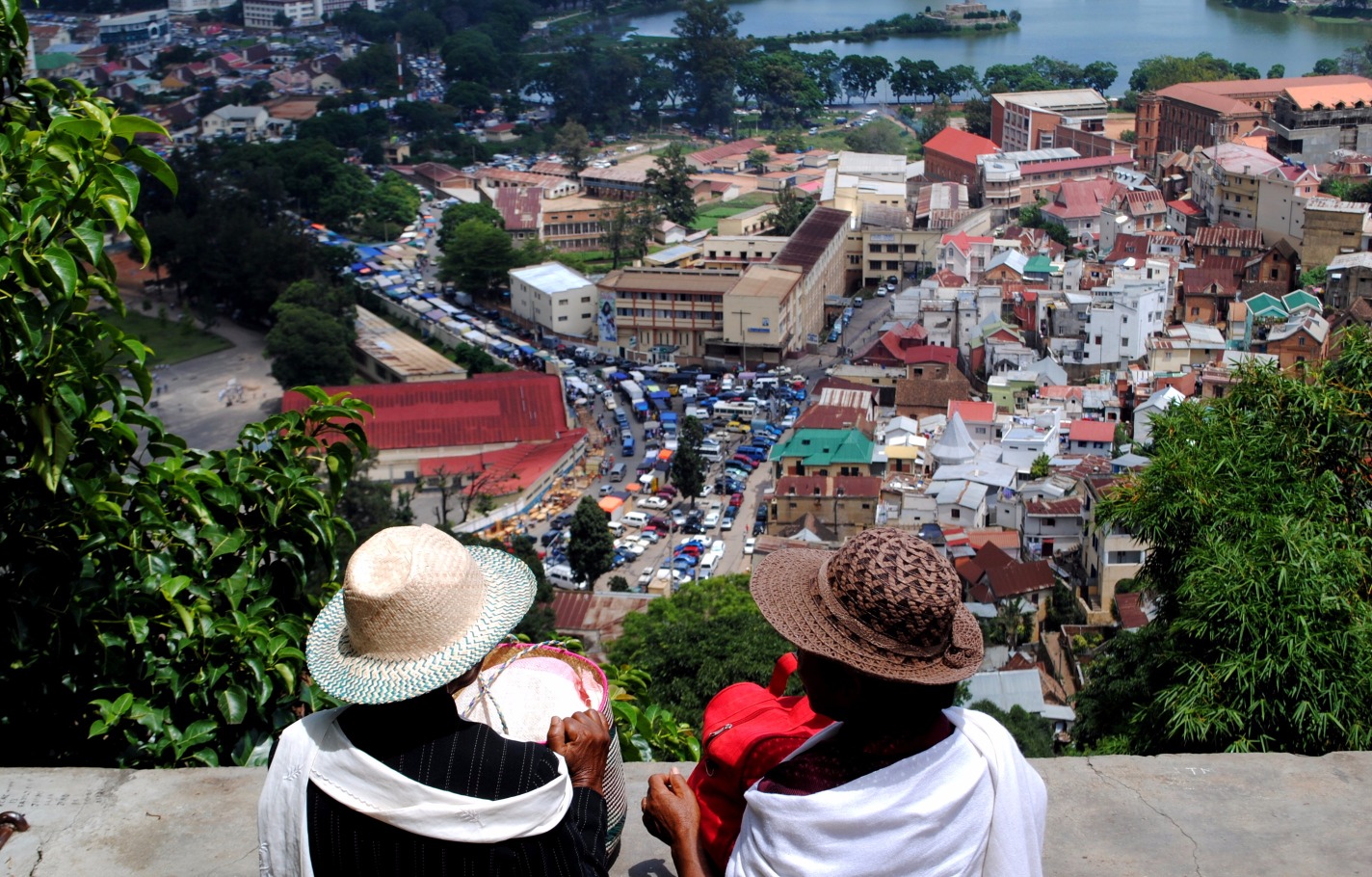
- Antananarivo: the capital and its historic center on the hills.
- Ambatomanga: traditional Highlands village with remarkable architecture.
- Antoetra: gateway to the Zafimaniry region, UNESCO-listed.
- Avenue of the Baobabs: another iconic stop for experiencing Malagasy flora.
Frequently asked questions
Frequently asked questions
Plan 1.5 to 2 hours for the guided trail, lemur observation, and vivarium visit.
No. Lemurs live in semi-freedom and remain wild animals. Guides ask you to maintain observation distance and not feed them.
Yes. Trails are short and easy, and reduced rates exist for children. Educational activities make the visit accessible from a young age.
May to November, with a peak in September-October during breeding season. Mornings typically offer the best animal activity.
Not necessarily for individual visits, but advance reservation is advised for groups or during peak tourist season.
Plan your trip
Lemurs' Park integrates easily into a larger itinerary. To build a coherent journey around the island's landscapes, wildlife, and cultures, explore our Madagascar travel offerings.
Interested in this visit?
We can include it in your personalised itinerary.