Manakara
Manakara
Manakara, the Antemoro capital of southeastern Madagascar's coast: the legendary FCE train, Pangalanes Canal exploration by traditional pirogue, and authentic paper craftsmanship. Everything you need to plan your stopover.
Manakara: A Picturesque Town Like No Other
Manakara is the administrative capital of the Vatovavy-Fitovinany region. This calm and peaceful coastal town is equally celebrated for its natural landscapes and exceptional biodiversity, as well as for its rich historical and cultural heritage shaped by French colonial influence. During your journey through southeastern Madagascar, you'll find this stopover genuinely rewarding.
Geography
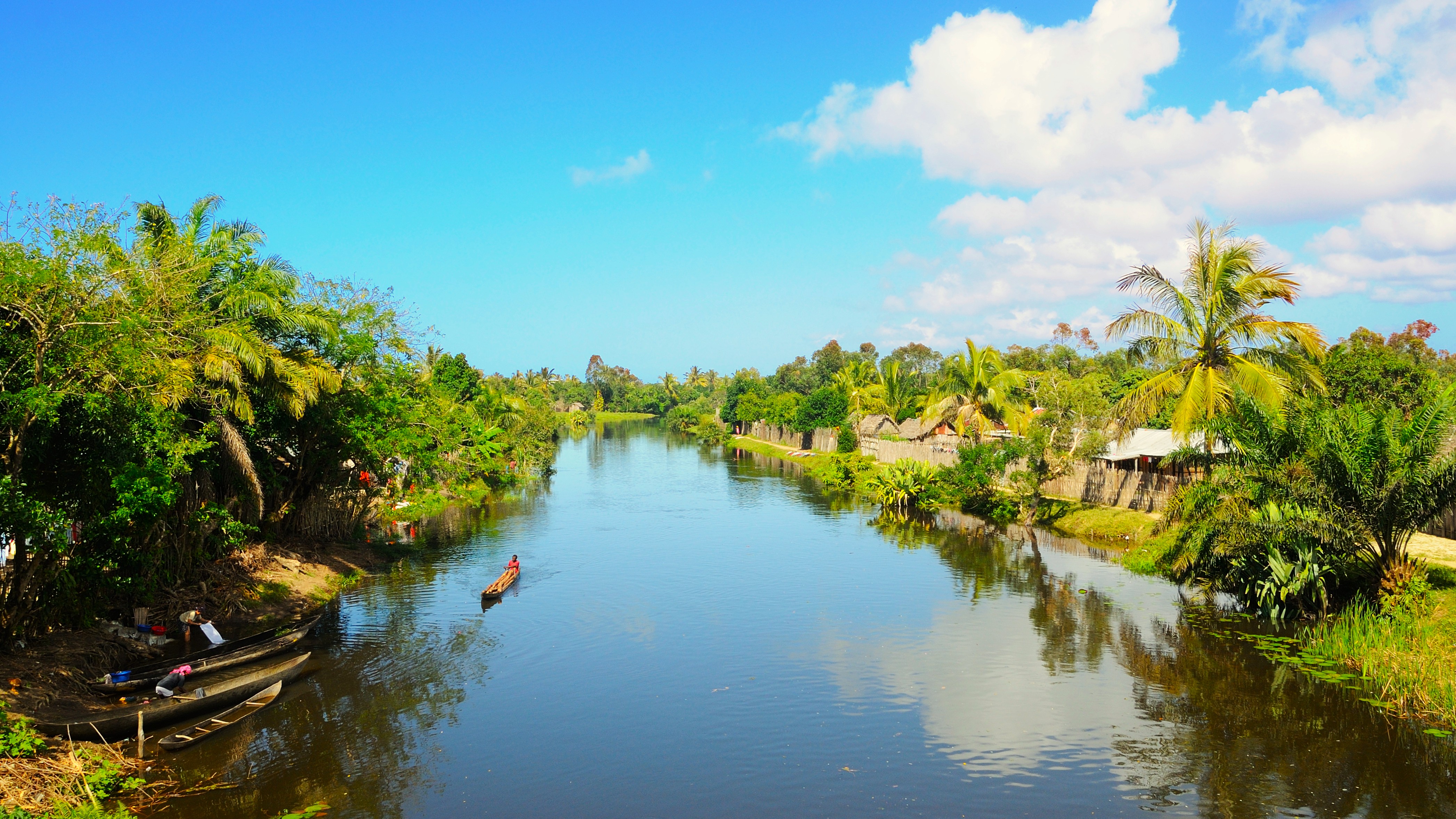
Situated on Madagascar's southeastern coast near the mouth of the Manakara River, the town boasts a small port and is traversed by the Pangalanes Canal. The beaches fringed with coconut palms are stunning, yet swimming is discouraged due to strong currents and sharks.
The Population
Manakara is home to approximately 40,000 residents, the majority belonging to the Antehimoro or Antimorona ethnic group (morona meaning shore). Daily life revolves around fishing, mat weaving, pirogue construction, and the production of Antehimoro paper—a craft that defines the region's reputation. This paper is fashioned into parchments, greeting cards, and postcards.
Architectural Character
Today, Manakara presents two distinctly different architectural styles. Along its broad avenues, you'll discover modest dwellings built with natural materials. Conversely, in the area between the Pangalanes Canal and the Indian Ocean, you'll encounter elegant colonial-era French houses, their foundations dating back to the colonial period.
The Natural Landscape
Hiking stands as one of the region's premier activities. Multiple circuits await exploration by bicycle, on foot, or aboard local pirogues. These attractions allow travelers to immerse themselves in local cultures, admire colonial architecture, and experience the region's magnificent scenery. You'll notice fruit trees (jackfruit, mango, banana), spice trees (cinnamon, coffee), and the iconic traveler's palm (ravinala) flourishing abundantly along roads and pathways.
The FCE Railway
Constructed in 1936, the FCE railway (Fianarantsoa-East Coast: approximately 158 km) remains operational, continuing to transport passengers and cargo—notably fresh fruit. The trains carry nearly 250,000 passengers and more than 17,000 tons of goods annually. A journey on this iconic line unveils spectacular verdant landscapes. A truly picturesque experience worth savoring!
The Port
The Port of Manakara was constructed in 1936, coinciding with the railway's opening. Since then, this modest port has been instrumental in the town's development and continues to facilitate the export of regional products to international markets.
When to Visit
Manakara enjoys a tropical climate with significant rainfall throughout the year, even during the driest season. January, February, and March are the wettest months. Year-round, the average temperature hovers around 27°C (81°F). During the austral winter, it can drop to 10°C (50°F), while in the hot season, it can rise to 32°C (90°F). June, August, September, October, and November offer the optimal conditions to experience Manakara.
Getting Around
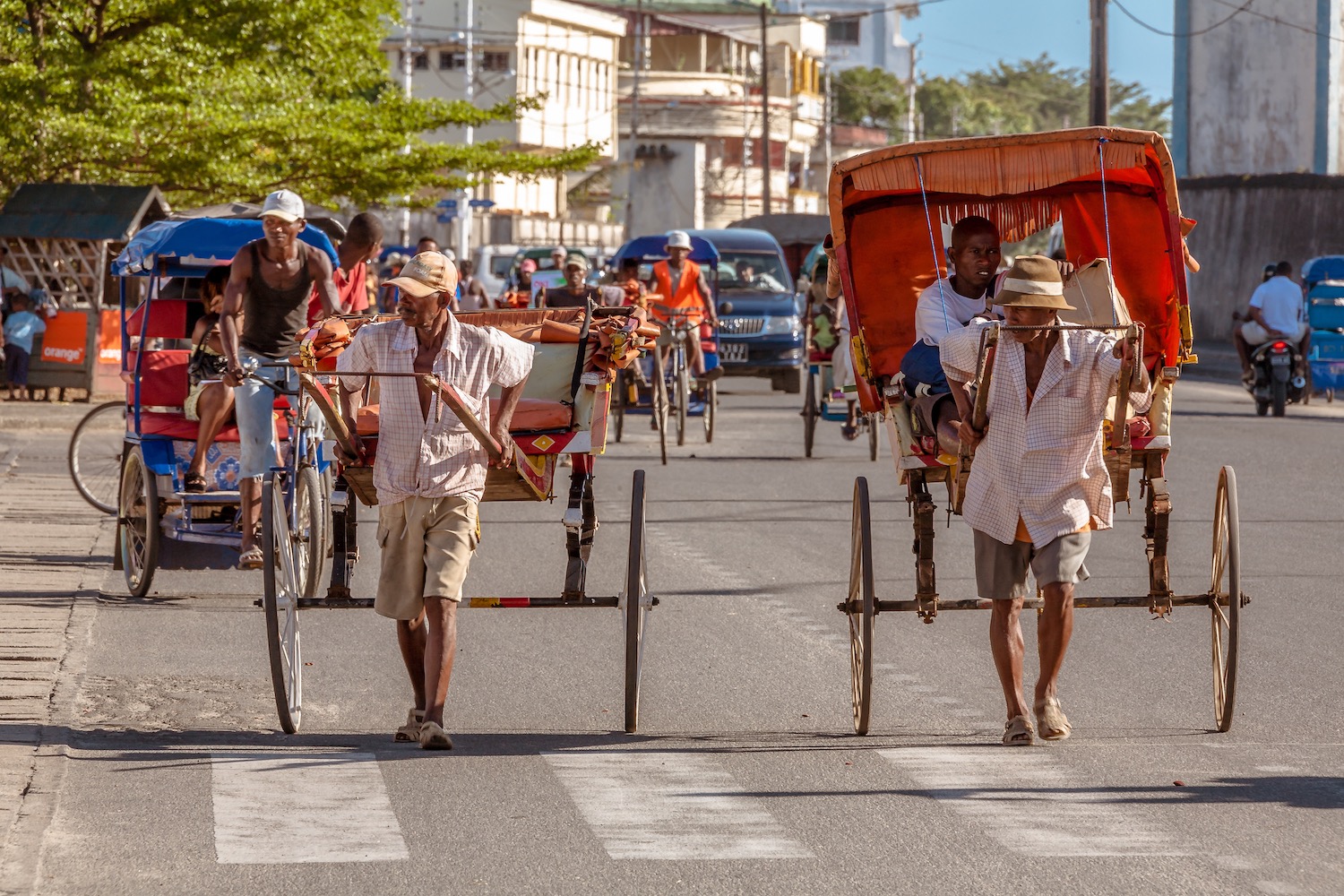
Manakara is celebrated as a bicycle-friendly town; thus, cycling is the finest way to navigate it. There are no traffic jams and minimal pollution. You can also travel by pousse-pousse (traditional rickshaw), a beloved option among visitors seeking a leisurely pace to explore the town at your own rhythm.
What to Do
- Visit artisanal Antemoro paper factories and witness the craft firsthand.
- Embark on hiking or cycling excursions to discover pristine landscapes and Betsileo villages.
- Take a pirogue journey to breathe in the region's exotic fragrances and connect with its essence.
Want to discover this destination?
Our local advisors design your tailor-made trip.