Ibity Massif
Ibity Massif
Just 20 km from Antsirabe, Ibity Massif offers high-altitude trekking, endemic flora and sacred sites in the heart of Madagascar's Vakinankaratra.
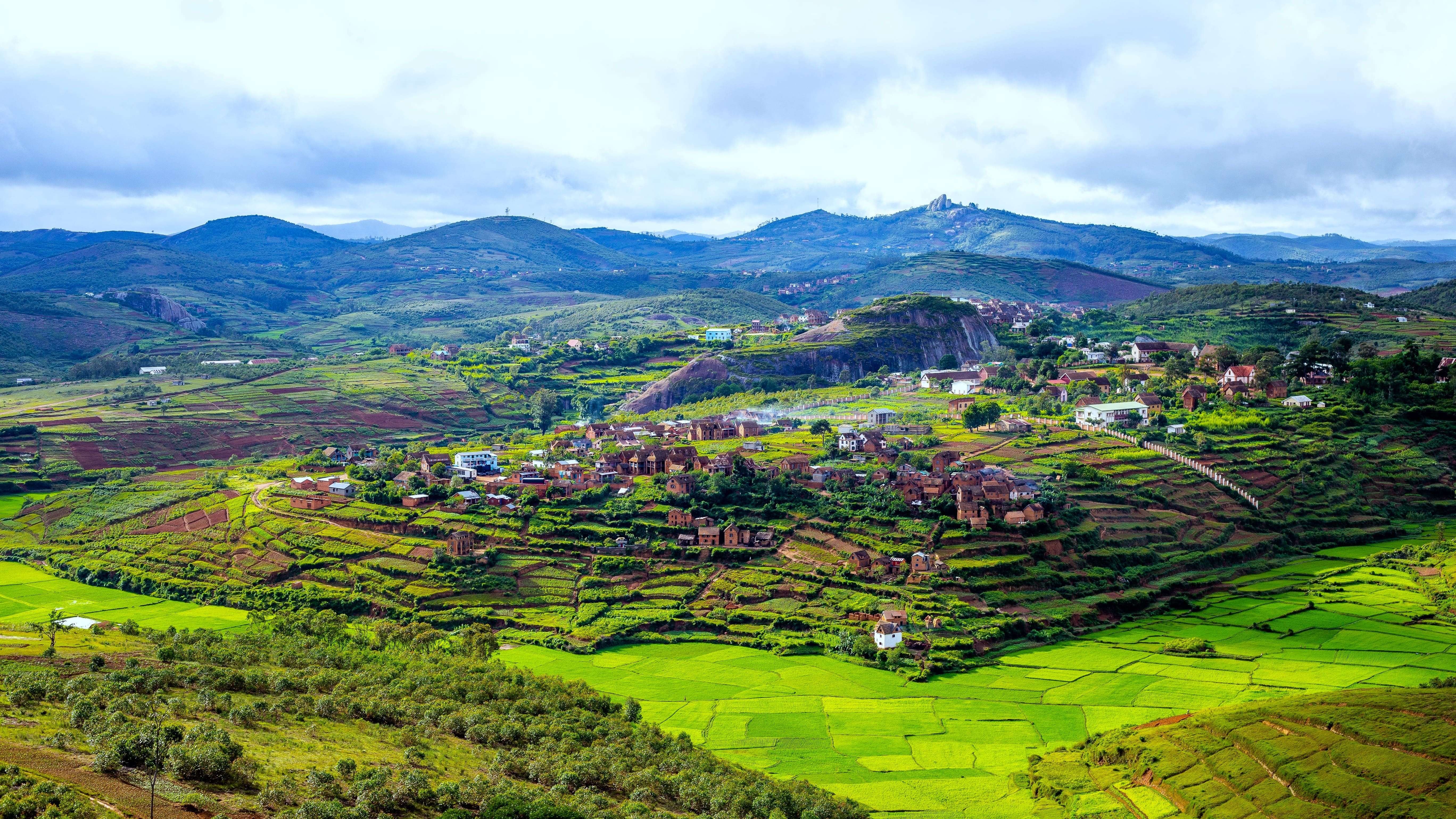
About twenty kilometers from Antsirabe, Ibity Massif rises within the Vakinankaratra, dominated by striking and dramatic ridges. Known for its exceptional biodiversity, singular geology and cultural heritage, this remarkable site attracts nature lovers, trekking enthusiasts and seekers of authentic discovery. A refuge for remarkable biodiversity and home to local communities, Ibity embodies one of Madagascar's natural jewels.
Memory of the Highlands
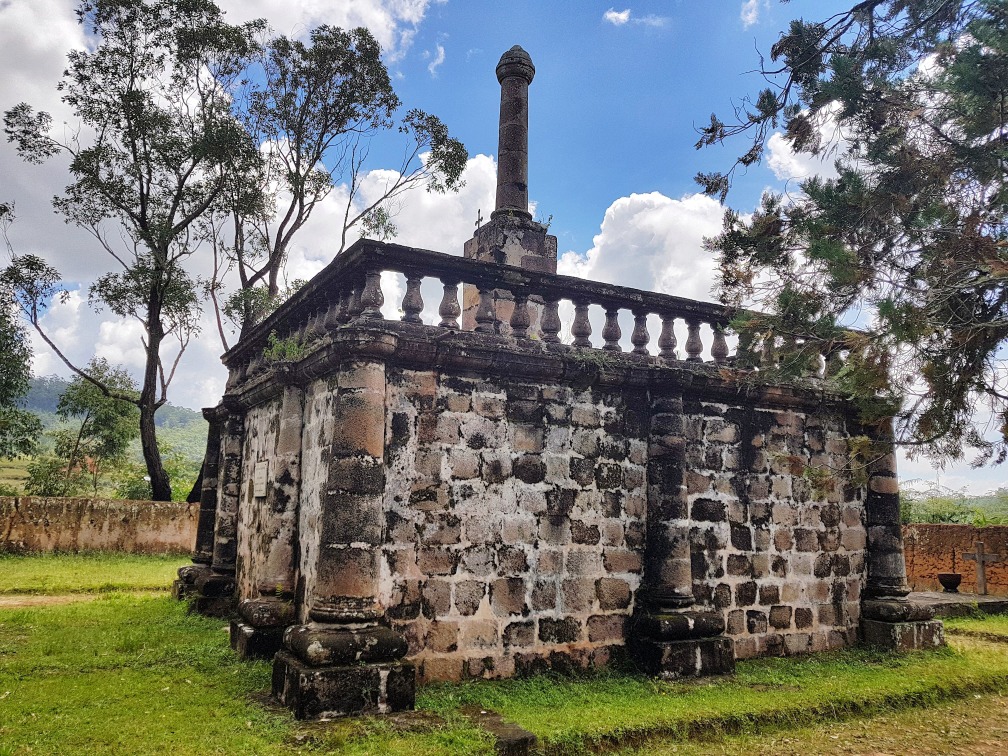
Ibity Massif is woven into a long history of human settlement. For over 2,000 years, Madagascar's Highlands have been shaped by agriculture, livestock herding and other activities that gradually replaced natural vegetation with grasslands and cultivated areas. Despite these profound transformations, Ibity retains a strong cultural and spiritual dimension. It is home to sacred sites, including tombs of ancient kings and those of the Vazimba, the legendary first inhabitants of the island. These remnants of the past illustrate the deep attachment of communities to this history-laden territory.
The Massif Today
Since 2015, Ibity Massif has benefited from the status of "harmonious protected landscape" (IUCN Category V) and is managed by the Missouri Botanical Garden. This perimeter of over 6,000 hectares constitutes a remarkable reservoir of biodiversity. It is home to remarkable biodiversity, encompassing a multitude of species unique to Madagascar. However, the site faces persistent threats: wildfires, charcoal production and collection of succulent plants. Protecting Ibity allows for the preservation of both its unique biodiversity and the ancestral knowledge rooted within it.
An Open-Air Botanical Garden
Ibity Massif is a botanical sanctuary. More than 280 plant species are recorded here, with approximately 70% endemic to Madagascar. Among strictly local species, notable examples include:
Iconic Flora of Ibity
- Pachypodium brevicaule: rare succulent with rounded forms
- Aloe ibityensis: aloe specific to the region
- Erica ibityensis: summit heather
- Streptocarpus ibityensis: closely related to African violets
- High-altitude orchids: visible during the wet season
Medicinal plants used locally:
- Drosera madagascariensis: for cough relief
- Brachylaena ramiflora: natural tonic
- Schefflera bojeri: soothes stomach ailments
- Asteropeia densiflora: wood for tools
- Anthocleista madagascariensis: used in rituals against lightning
Some species, rare or threatened, appear on the IUCN Red List. This underscores the importance of protecting this unique ecosystem.
The Discreet Kingdom of Ibity's Creatures
The massif is also home to discrete yet diverse fauna, often endemic.
Typical Fauna of the Massif
- Small mammals: hedgehogs (Tenrec ecaudatus), shrews, bats (Pteropus rufus)
- Reptiles: chameleons (Furcifer lateralis, F. minor), lizards, geckos
- Amphibians: frogs of the genus Boophis, Mantidactylus betsileanus
- Birds: Madagascar buzzard, Madagascar partridge, guineafowl, peregrine falcon
Some species are classified as threatened by the IUCN due to hunting or habitat degradation. This includes Boophis williamsi and Pteropus rufus.
What to Do at Ibity Massif?
Ibity is a privileged destination for those wishing to combine natural discovery, cultural immersion and outdoor activities. Among the main attractions:
Trekking and Trails
- Several trails allow you to discover landscapes, terraced rice paddies and rock formations.
- One route leads to the summit of the massif, at over 2,200 m altitude.
Biodiversity Observation
- Endemic plants, local fauna, chameleons and rare birds are visible along the trails.
Geological and Mining Heritage
- Visits to former mines where quartz, tourmaline and beryl are extracted.
Culture and Traditions
- Spiritual sites, burial grounds of the Vazimba and ancient sovereigns dot the territory.
- Local craftsmanship (pottery, basketry, embroidery).
- Culinary specialties featuring sweet potato and regular potatoes.
Sporting Activities
- Rock climbing and cave exploration for the more adventurous.
To make the most of your exploration of the site, it is advisable to be accompanied by a local guide.
When to Visit?
Ibity enjoys a climate of moderate temperatures and little rainfall throughout the year. The months of February to April and November to December are most favorable for visits, with lush green vegetation. Mornings can be particularly cool during the Southern Hemisphere's winter season.
The massif is located 170 km south of Antananarivo and 20 km from Antsirabe. It is accessible from RN7, via the villages of Vinaninkarena or Manandona.
- Access is more comfortable by four-wheel drive vehicle, especially during the wet season.
- Minibuses are available from Antsirabe.
On-site, the Ibity community center welcomes visitors. Renovated traditional houses offer accommodation in Manandona, Ambohitrimanjato and Ihasy.
Want to discover this destination?
Our local advisors design your tailor-made trip.