Tuléar I Toliara
Tuléar I Toliara
Capital of southwest Madagascar, Tuléar opens the door to a wild South: Vezo people, baobabs, Ifaty lagoon and Mahafaly funerary art.
Capital of southwest Madagascar, Toliara or Tuléar sits approximately 1,000 km from Antananarivo at the end of Route Nationale 7. Nicknamed the "white city" or "the city of sunshine", Tuléar is a cosmopolitan hub.
Beneath the Tropic of Capricorn, Tuléar ranks among travelers' preferred destinations for its laid-back atmosphere and paradisiacal setting. Toliara welcomes you with warmth and genuine hospitality for an unforgettable stay.
History
The city of Tuléar was founded in 1895 by a French architect. It was laid out in a remarkably strict grid pattern, which still defines its landscape today with wide, straight avenues.
Tuléar Today
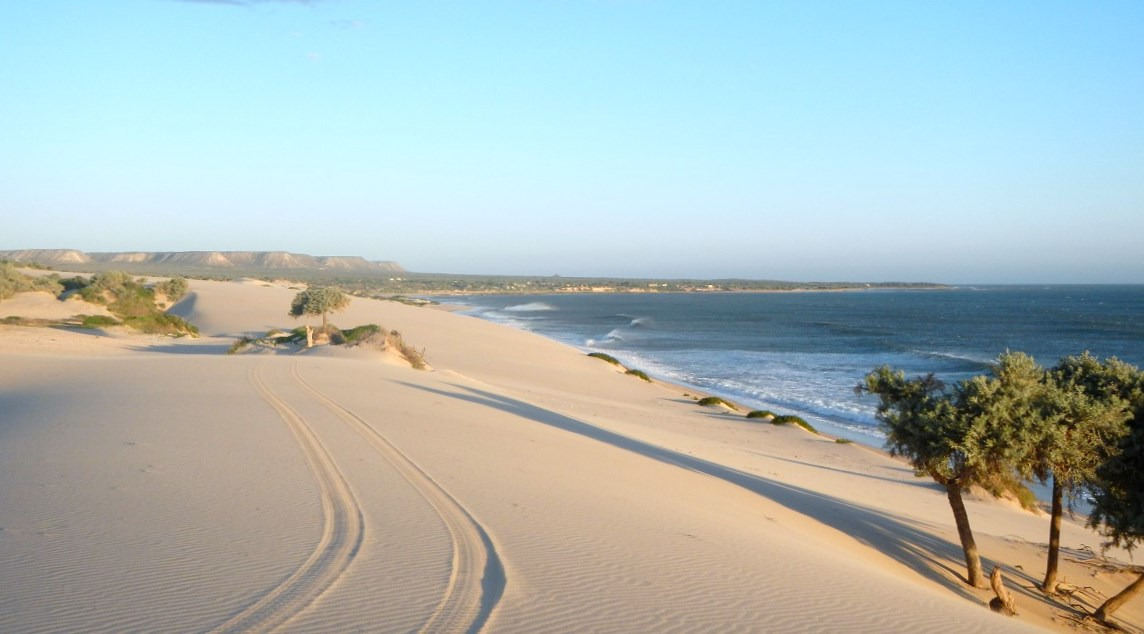
The Tuléar region is a genuine land of discovery and culture, home to welcoming populations living in harmony with the semi-arid nature so characteristic of the area. Nestled on an expansive coastal plain bordered by mangroves and coral sand beaches, the country of the Vezo fishermen and Masikoro cultivators overlooks the Ranobe lagoon and the magnificent Mozambique Channel.
By virtue of its position on the Tropic of Capricorn, Tuléar enjoys a pleasant climate and nearly year-round sunshine, which explains its nickname as the "city of sunshine".
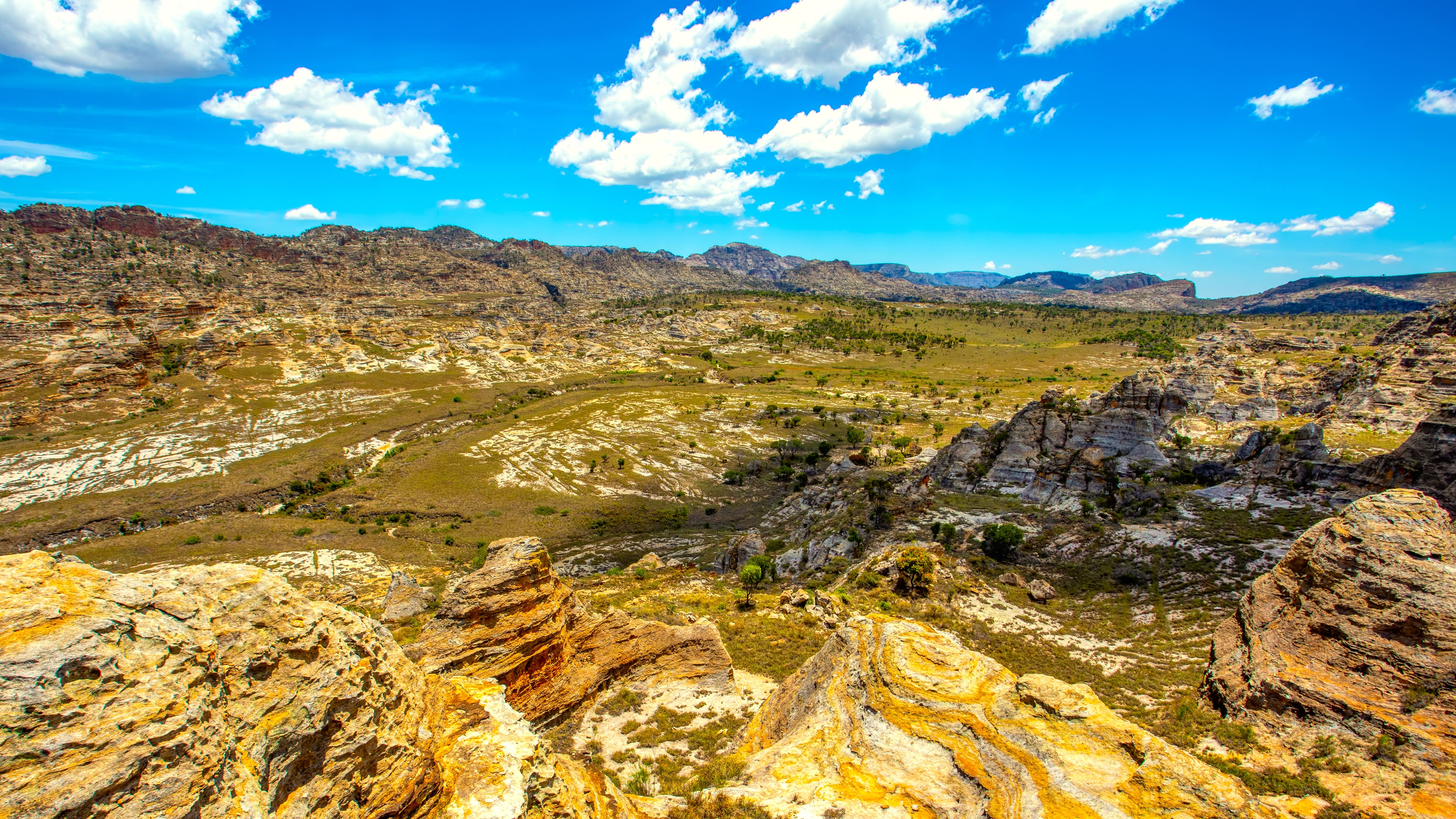
The Tuléar region represents a major destination on the Great Island. To the north, coral beaches border the Ifaty lagoon; to the south, beyond Saint Augustine Bay, the beaches of Anakao stretch toward the far south. The region abounds in natural treasures ideal for exploration and relaxation.
To discover another facet of the Mozambique Channel lagoon beyond diving and leisure, head to one of the beaches to observe the Vezo fishing techniques from their traditional pirogues. This once-nomadic ethnic group now inhabits villages scattered along the coast and survives primarily through fishing. In perfect harmony with nature and its offerings, they practice relatively responsible fishing. Whether using nets, hooks, or even free-diving, they master countless techniques that nonetheless often yield modest catches.
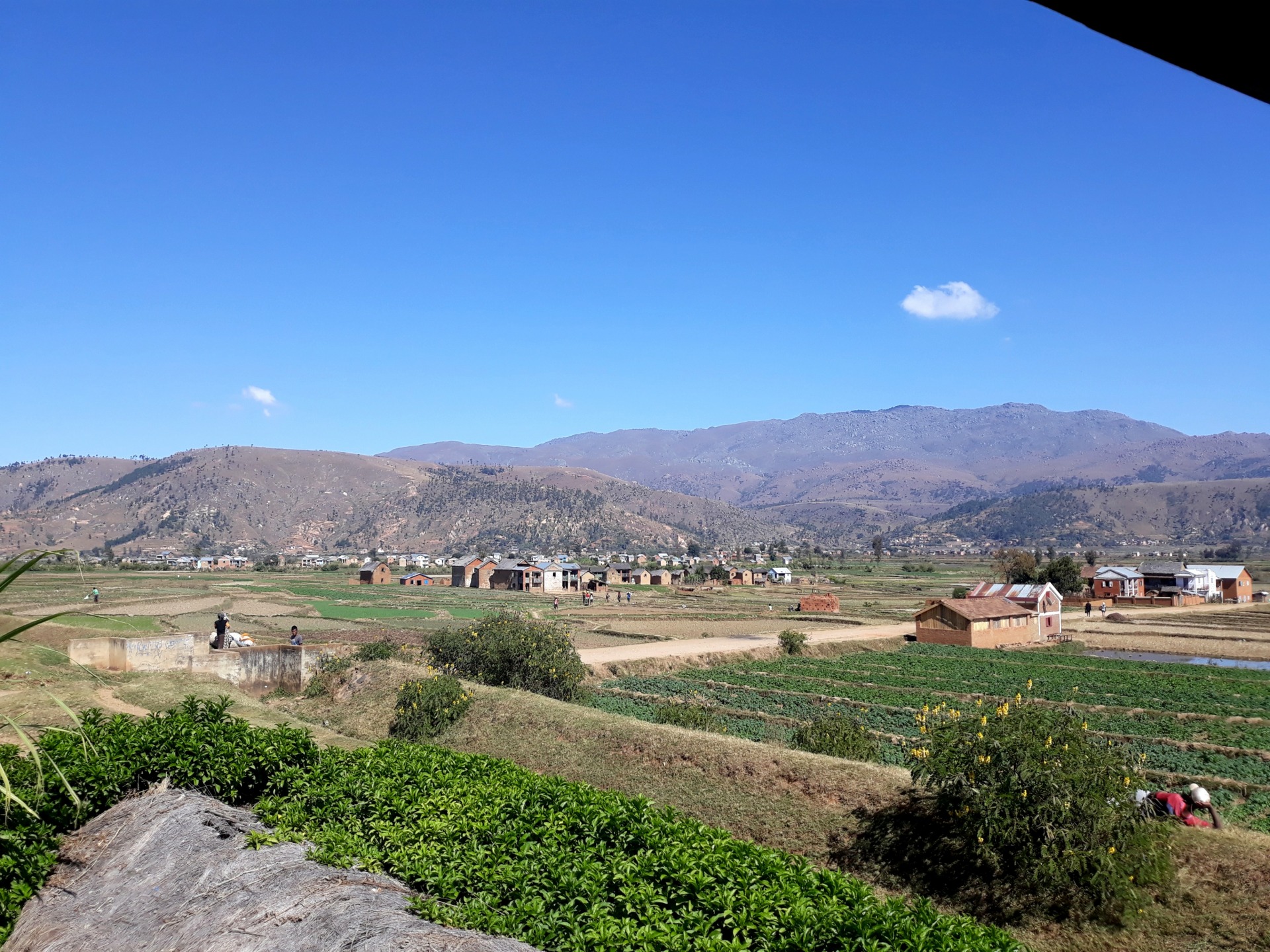
Tuléar is also the land of the Mahafaly. This ethnic group, more agricultural than maritime, primarily occupies the lands surrounding Tuléar. Following sandy tracks bordered by century-old tombs, you'll encounter these men who, tools in hand, walk kilometers between villages to reach their plots. The women tend corn or venture into town to sell their modest wares at market. The small scattered villages of traditional houses transport you into a scene from an old photograph. The tranquility pervading these places instills a sense of peace, though closer observation of the population reveals that some communities face challenges, including cattle theft perpetrated by other regional ethnic groups.
Funerary Art of the South
Funerary art speaks to the genuine cultural richness of Madagascar's southern region. The tombs are square or rectangular in shape, decorated with paintings depicting the lives of the deceased. The most renowned are those at Andranovory. The tomb of King Baba, a Masikoro ruler, stands on the city's outskirts. His remains have been interred there for over 100 years.
Climate
Tuléar falls under the influence of the southern wind, the "Tsiokatimo," a powerful gust sweeping from the south that can spawn sand storms during certain periods. Rainfall in the city is virtually nonexistent.
Average temperature stands at 24°C. July is the driest month of the year, while January is the most pleasant in the region.
The most favorable and cooler periods to visit Tuléar and the Atsimo-Andrefana region are April through November. From December to March, the austral summer is in full swing, with very high temperatures and exceptionally warm lagoon water.
What to See and Do in Tuléar?
- Head to the coast along the Ranobe lagoon and the Mozambique Channel to meet the Vezo fishermen and discover their various fishing techniques.
- Tour the city's markets, true gathering places for locals and treasure troves of discovery.
- Venture along trails outside the city to encounter the Masikoro cultivators in their villages.
Want to discover this destination?
Our local advisors design your tailor-made trip.