The Bara, Men of Makay and Isalo
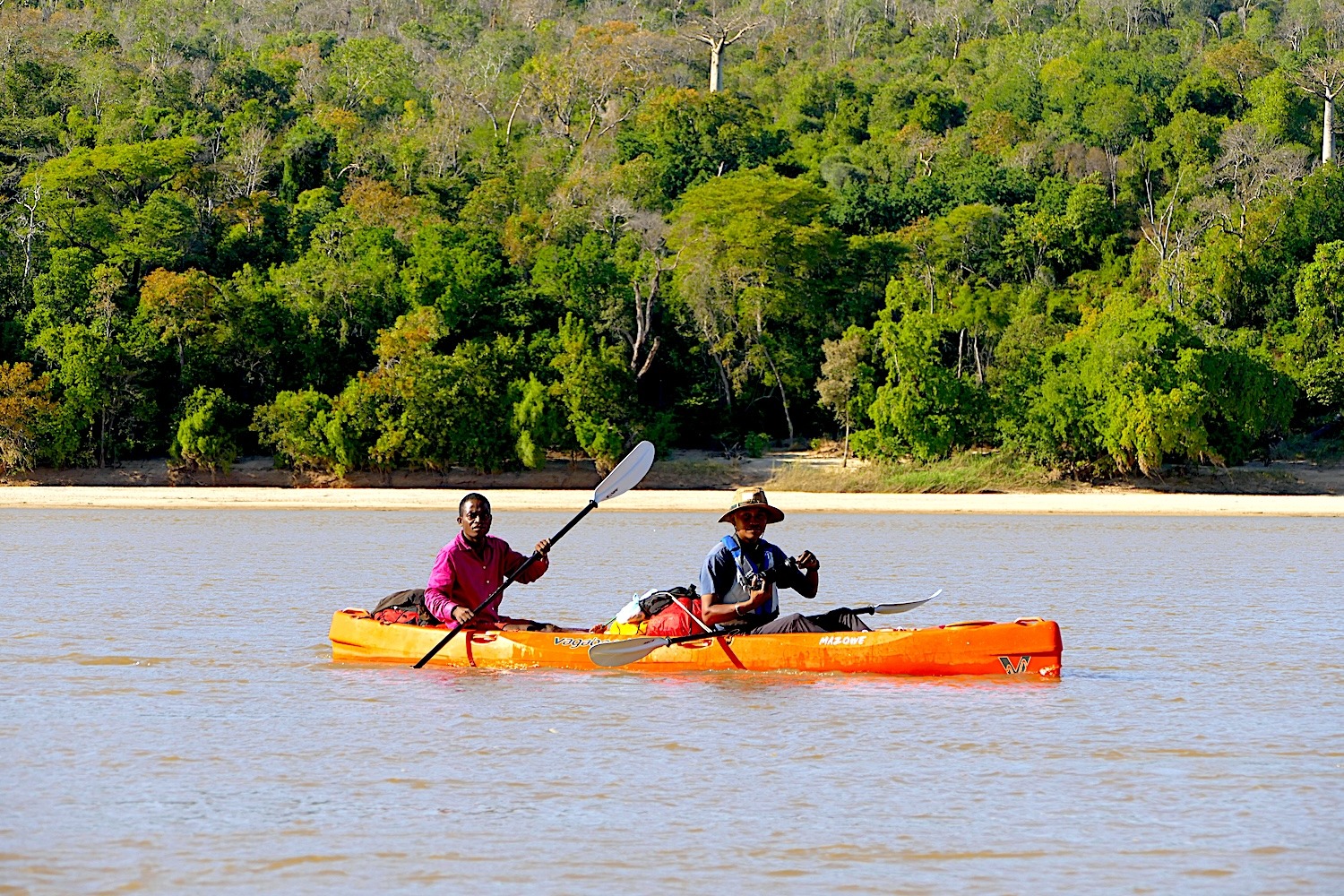
When we travel through the Makay massif, as in the Isalo massif, we are on the territories of the Bara ethnic groups. Excellent travel companions, they bring a unique and singular flavor to our journeys
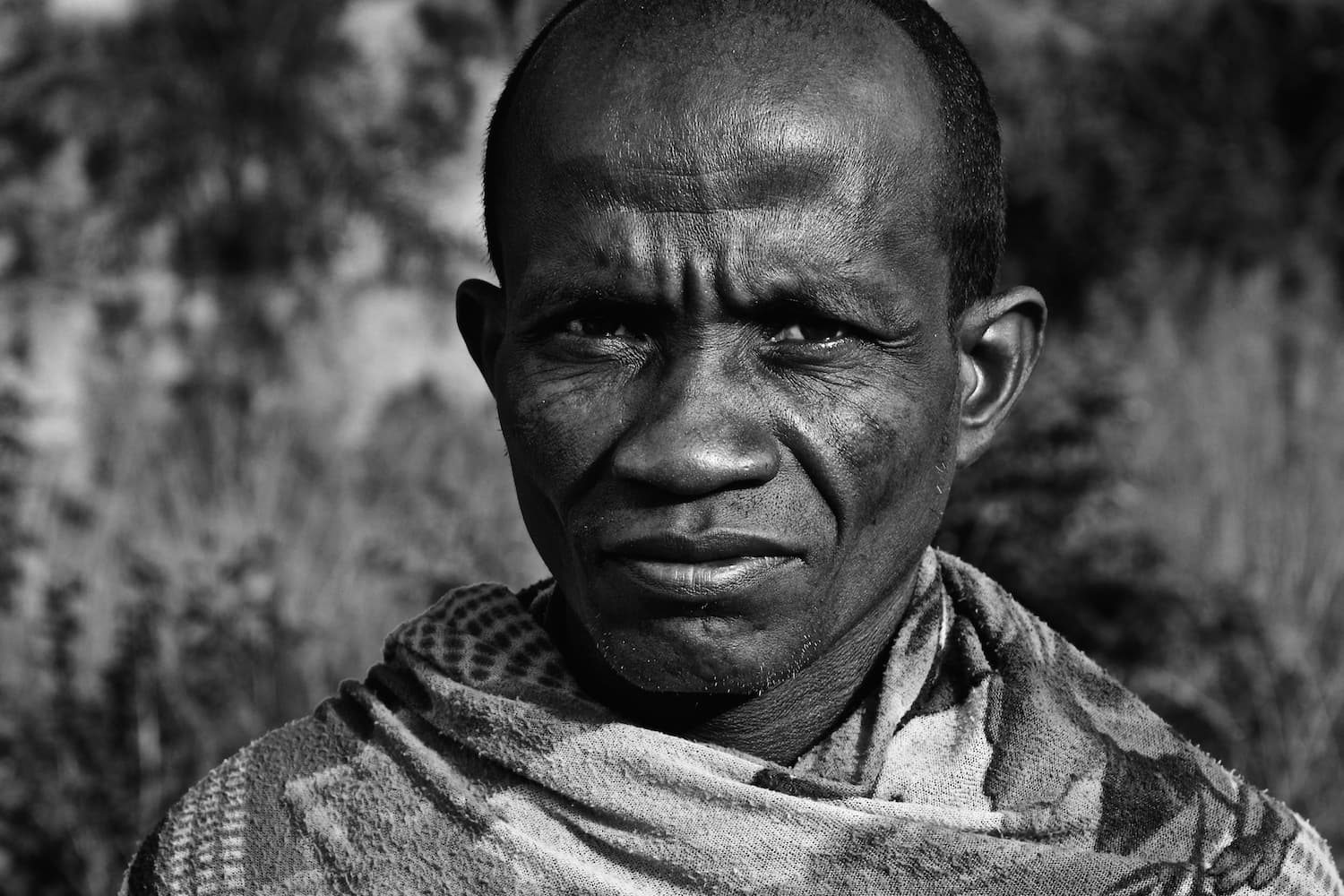
July 22, 2017 When we travel through the Makay massif, as in the Isalo massif, we are on the territories of the Bara ethnic groups. Excellent travel companions, they bring a unique and singular flavor to our journeys … This sequence of images and portraits is intended to highlight our teams, our guides and trackers, but also the many faces we encounter throughout our journeys in the Makay massif.
The Men of Makay, by Détours Madagascar by Sylvain PHILIP on Vimeo. But who are they within this mosaic of peoples that is Madagascar?
The Bara in Brief
The Bara are semi-nomadic pastors of Bantu origin. The ethnic group was founded by Rabiby, who came from Africa with thousands of men. They made their home on the plateaus of southern Madagascar. The Bara dedicate themselves to raising zebu cattle, symbols of wealth, and traverse great distances with their herds. Zebu rustling is part of Bara traditions and continues to be practiced today. It is considered a courageous feat, intended to prove one's bravery and win the hearts of young women with marriage in mind. Young men also engage in bare-handed wrestling, or ringa, and participate in rodeos to train for combat. Like the other peoples of the Great Island, the Bara venerate their ancestors. Their graves are placed in caves. Out of respect for the tombs, access is difficult and entrances are often marked by zebu heads. Bara ceremonies are accompanied by traditional music and dancing; the most striking being the Papango dance—the king of birds—during which a man suspended from a pole imitates the flight of a bird. Their current territory is bounded by the Mangoky River, the Midongy Sud forest, and the villages of Beroroha and Sakaraha.
Peoples and Ethnicities Tourism Charlène Nomadays An SEO writer from Nomadays' early days, Charlène evolved into content manager and head of communications, accompanying the adventure since its inception with passion and dedication. After spending seven years in Asia—from China to Thailand, passing through Mongolia and South Korea—she has made travel a way of being in the world. A lover of words, nature, and human connection, she strives to convey through her writing a sensitive, engaged, and responsible vision of tourism. For her, each article is a bridge between curiosity, respect, and wonder.