Discovering Madagascar's Biodiversity: 5 Must-See Locations
With approximately 12 million hectares of forests (tropical and dry), countless canyons and underground caves, rivers and savannas, Madagascar is one of the planet's richest spaces in terms of biodiversity.
With approximately 12 million hectares of forests (tropical and dry), countless canyons and underground caves, rivers and savannas, Madagascar is one of the planet's richest spaces in terms of biodiversity. It is home to numerous endemic species. We invite you to discover Madagascar's biodiversity through 5 must-see locations.
1. Tsingy de Bemaraha National Park
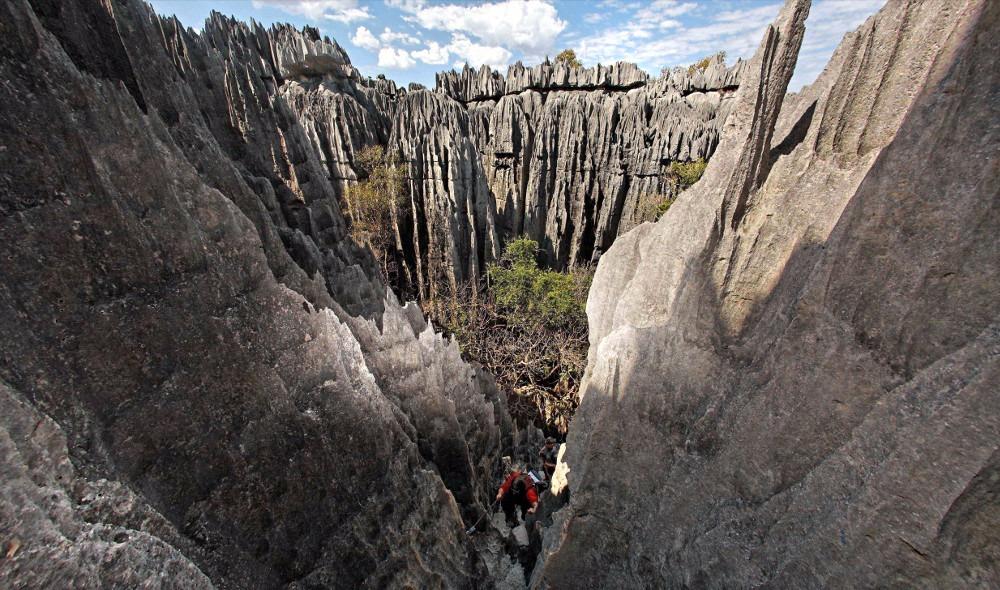
Located in the Melaky region in the center-west of the main island, the Tsingy de Bemaraha National Park ranks among Madagascar's most spectacular sites. For good reason—it harbors geological curiosities found nowhere else on Earth: the tsingy. These are rocky formations born from karst limestone deposits formed over 200 million years ago…
Blending wet and dry habitats, the Tsingy de Bemaraha constitute a biodiversity hotspot and a remarkable center of endemism. The park is home to several species of lemurs, numerous varieties of aquatic and terrestrial birds, reptiles including crocodiles, and extraordinary species of plants and trees.
A pirogue tour and hiking expeditions allow you to explore these canyons and stone labyrinths, and encounter the animal and plant species that have found refuge there.
2. Andasibe Mantadia National Park
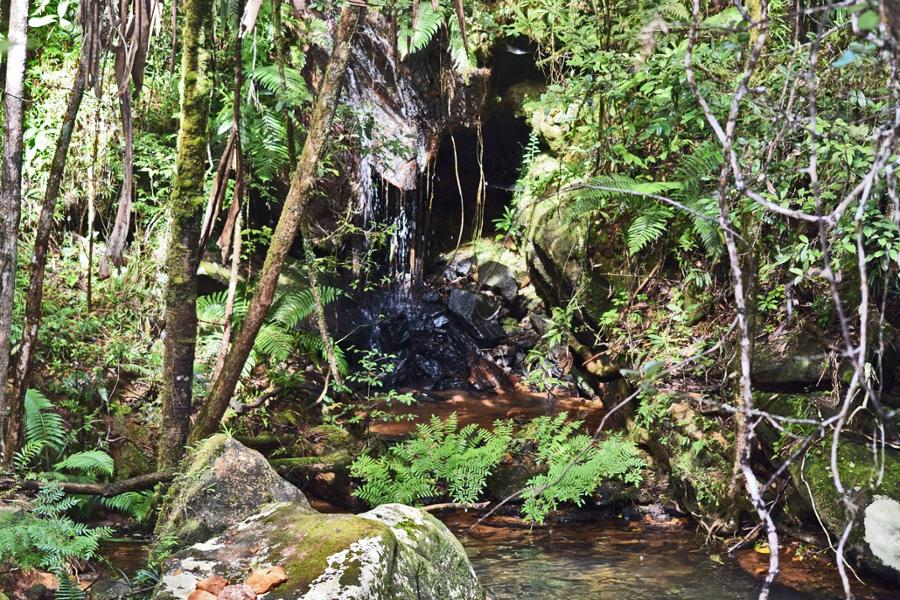
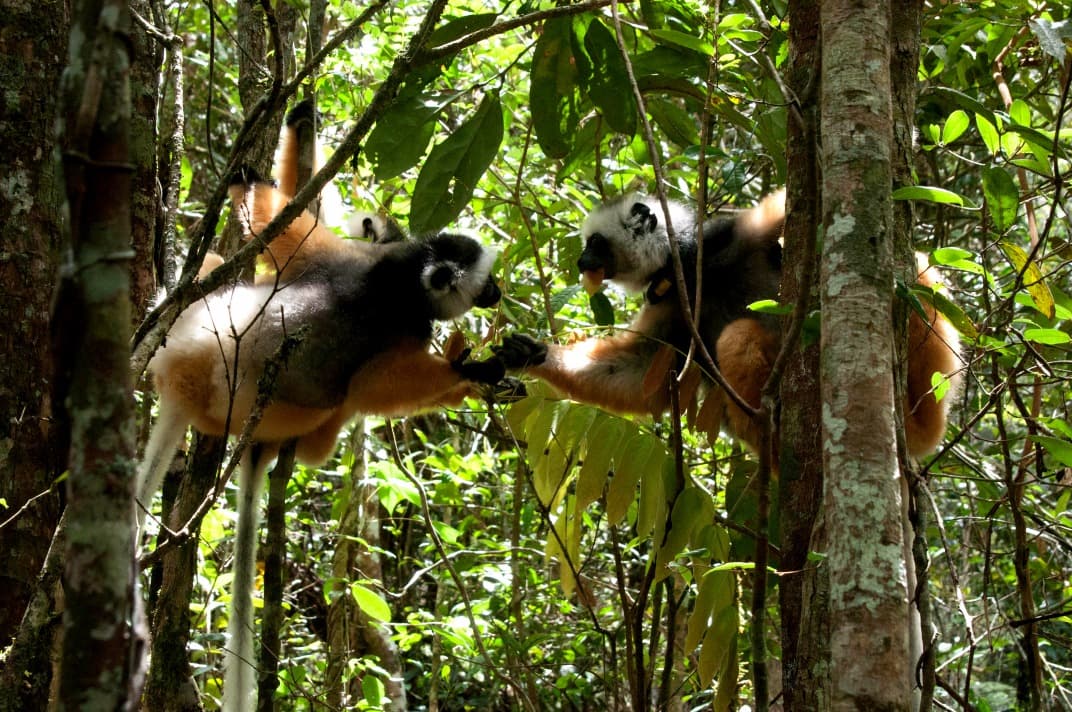
Just 135 km from Madagascar's capital, the Andasibe Mantadia national park harbors rich fauna and flora that make it a true paradise for nature lovers. This protected area is notably renowned for hosting a wide variety of lemur species (14 diurnal and nocturnal species) as well as numerous reptiles, amphibians and mammals. It is also one of the best places on the main island for birdwatching.
As for vegetation, you will be spoilt for choice. You will discover evergreens (plants that remain green year-round), epiphytes (plants that live on other plants), hardwoods and precious woods, pandanus palms, lianas, palm trees and an incredible collection of endemic orchids.
A visit to Andasibe Mantadia national park is conducted with an English-speaking local guide who will reveal all the secrets of this extraordinary nature.
3. Isalo National Park
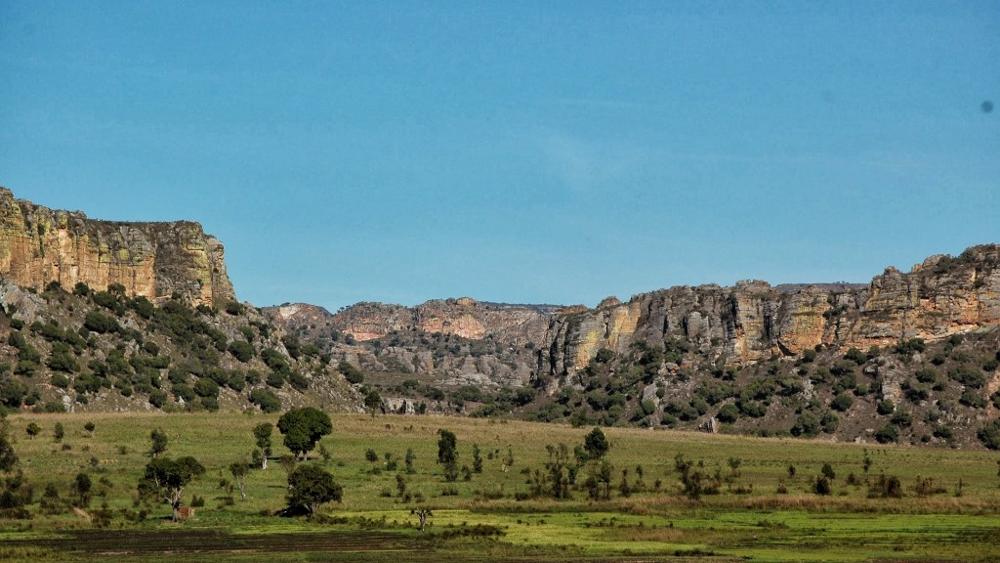
Head south to Madagascar to discover another emblematic site: Isalo National Park. It is a sandstone massif stretching over more than 82,000 hectares! Composed of canyons, caves, waterfalls and natural pools, the park not only contains spectacular landscapes; it is also home to numerous animal and plant species.
During an expedition through Isalo Park, you may encounter lemurs (such as the ring-tailed lemur, Verreaux's sifaka and the red-fronted brown lemur), birds including many endemic species (such as Benson's rock thrush), reptiles, micromammals and amphibians. As for flora, you may observe some euphorbia species and Pachypodium aloe, palm trees, ferns and pandanus palms.
|
Note A visit to the Isalo massif is also an opportunity to learn more about the culture of the Bara people by discovering the tombs they have installed in the facades of rock formations. |
4. Kirindy Forest
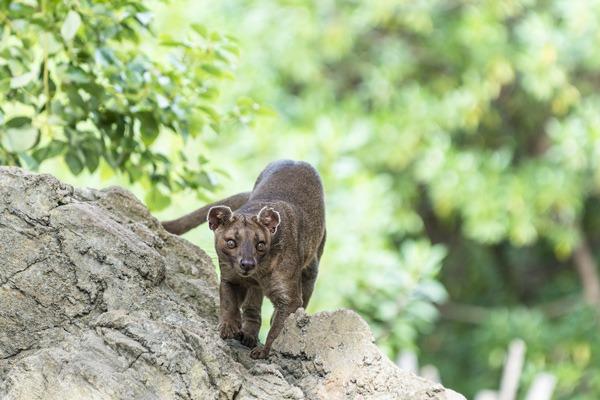
Located in the western part of the country, Kirindy Forest is a remnant of pristine dry forest. Like many natural spaces in Madagascar, the site boasts a high degree of endemism. Perfect for naturalists, botanists and nature lovers.
Once again, lemurs reign supreme here. Among the 8 species recorded, we can cite fork-marked lemurs (Phanar Pallescens) and microcebus species, the small nocturnal lemurs of Madagascar. You may be fortunate enough to encounter a fossa, a small endemic wild cat, or even reptiles including crocodiles and tortoises. Kirindy Forest is also renowned as one of the best destinations for birdwatching in Madagascar.
As for flora enthusiasts, they can discover, among others, 3 varieties of baobab: the reniala recognizable by its narrow gray trunk, the Bozy with its bottle-shaped trunk and rounded fruits, and the Za distinguished by its imposing gray trunk and oval-shaped fruits.
|
Good to know Since the fauna of Kirindy Forest is mostly diurnal and nocturnal, we recommend prioritizing a guided visit at dusk or a night trek to hope to encounter them! In this case, you can stay in one of the site's bungalows. |
5. Ankarana National Park

In the north of Madagascar lies Africa's largest underground river network. This is the Ankarana National Park, where underground water networks have formed 11 spectacular caves. Some are sacred places of worship and others even harbor magnificent royal tombs. Ankarana National Park is also Madagascar's second site where you can behold the famous tsingy (along with Tsingy de Bemaraha National Park mentioned earlier).
Among the tsingy, caves and underground gorges, rivers and seasonal dry forests, the park boasts a unique ecosystem to explore during an adventure trek! Among the species inhabiting the park, we can cite 10 lemur species, 92 bird species and numerous reptiles such as chameleons and 6-meter-long crocodiles! There are also 13 bat species in the caves and unusual animals belonging to the troglodyte family.
As for plants, the karst plateau is composed of invasive plants, Madagascar canarium, pandanus palms, lianas, aerial orchids and baobabs.
Florine Dergelet