The Great Southwest: From the Highlands to Tsaranoro, from the Vezo coast to the Tsingy of Bemaraha
The Highlands and Tsaranoro, Isalo, three long stops on the wild coast of the South-West, then the Tsingy of Bemaraha: a great journey that takes time.
Duration
18 days
From
€2,100/pers.
Ideal seasons
Apr, May, Jun, Jul, Aug, Sep
Style
Guided tour
Comfort
classique
Travelers
Couple, Solo, With friends
The spirit of travel
This journey crosses Madagascar from the Highlands to the Mozambique Channel, then travels up the wild southwest coast to the Tsingy de Bemaraha. It is designed to take time: several stops include two nights, to experience the places rather than just pass through them.
The first part follows national route 7, at a pace that allows for walking and meeting people: lunch at Behenjy, craftspeople in Antsirabe and Ambositra, the old town of Fianarantsoa, the Anja village reserve, then two nights in the Tsaranoro valley, at the foot of its granite cliffs. The Horombe plateau then leads to Isalo, with its canyons and natural pools.
The journey then reaches the sea. After Ifaty and the Reniala thorn forest, the coastal track heads north, from lagoon to lagoon: two nights at Salary, two nights at Andavadoaka and its forest of stocky baobabs, then the long track through Morombe and the Mangoky ferry, with a stop at a bush hotel in Manja, until Belo-sur-Mer and its master boat builders.
The final part leads to the Tsingy de Bemaraha: the Manambolo gorges or the Little Tsingy, then the Grand Tsingy and its equipped passages, before returning to Morondava via the Avenue of the Baobabs.
This journey is tailor-made, at the date of your choice. A driver-guide from Détours Madagascar accompanies us from Antananarivo to Morondava, and local guides show us the parks and reserves. The internal flight from Morondava to Antananarivo is booked separately. Each stage can be extended or shortened, to create the journey that suits you.
Détours Madagascar is committed to the Travelife certification process. On this journey, this translates concretely: we call upon local guides from parks and reserves, such as the Anja village reserve, managed by its inhabitants; we observe wildlife without feeding or touching it, and corals without touching them; and we prefer long stays in one location, especially on the coast, to a succession of stages, for less driving and more time spent on site.
The stages of your journey
Highlights
Day-by-day itinerary

Arrival in Antananarivo
Driving
You are flying to AntanaAntananarivorivo, the capital of Madagascar.
Upon our arrival at Ivato International Airport, a member of the Détours Madagascar team welcomes us and takes us to our hotel in downtown Antananarivo.
Depending on our flight time, we discover the first faces of the capital on the way. The city is built on a dozen hills, in the middle of the rice fields of the Betsimitatatra plain. The multi-story brick houses with wooden balconies huddle on the slopes, and long staircases connect the upper neighborhoods to the markets of the lower town.
Antananarivo was born in the 17th century on the highest of these hills, around the palace of the Merina sovereigns. It is today a lively capital, where life takes place largely in the street: street vendors, bush taxis, rickshaws and carts share the road.
This first evening, we take the time to settle in and rest from the journey. Our team answers our last questions about the course of the trip, which will take us from the Highlands to the coast of the Southwest, then to the Tsingy of Bemaraha.
Dinner is on your own, and it is an opportunity to taste the cuisine of the Highlands, based on rice, brèdes and zebu meat.
Airport transfer: approximately 45 minutes.

By National Route 7, from Behenjy to Antsirabe
In the morning, we meet up with our historian guide for a city walk through the streets of the Malagasy capital. The Upper Town of Antananarivo is notably in the process of being listed as a UNESCO World Heritage Site.
The itinerary below is proposed as an indicative example. It is subject to modification on the spot, according to the guide's inspiration:
We begin our visit by exploring the Place de l'Indépendance district, an unmissable place in the country's history with the Presidential Palace as a backdrop, former residence of the colonial governors who succeeded one another in the country.
Then we ascend towards the Queen's Palace, at the top of Analamanga hill, the former name of the city. We will pass successively through the Andohalo square, a major seat of Merina aristocracy where kings and queens gave their speeches and discussed with the population regarding government decisions. Then we pass by the Jean Laborde House, the Prime Minister's Palace, the Palace of Justice and finally the Queen's Palace.
We leave Antananarivo mid-morning, when the capital's traffic is less dense, and take National Road 7 heading south.
The road crosses the Highlands: a mosaic of terraced rice paddies, cassava and corn fields, hills crowned with villages of red brick houses. A few stops along the way, depending on the markets, allow us to greet the farmers by the roadside.
We have lunch in Behenjy, a small town known throughout the country for its foie gras. Families in the region raise and prepare duck according to know-how passed down from generation to generation, and Behenjy's table is one of the good stops on National Road 7.
We arrive in Antsirabe in mid-afternoon. A spa town founded in the late 19th century around its thermal springs, surrounded by volcanic massifs, it retains the air of a highland resort, with avenues lined with jacarandas.
Late in the afternoon, we take time to discover the town and its craftspeople. Some manufacture, from reclaimed materials, miniatures of bicycles, cars and rickshaws of astonishing precision. Others work with zebu horn, making jewelry, cutlery and decorative objects. The avenues can also be explored by rickshaw, the emblematic means of transport in Antsirabe.
Night in Antsirabe.
Route: approximately 4 hours, 170 km, including the lunch stop.

From Antsirabe to Ambositra, at the wood craftsmen
Early morning departure for a walk around Lake Tritriva, sacred to the Malagasy people and therefore surrounded by numerous fady (taboos). Its mysterious dark green color and great depth (160 m) give it a strange impression, fueling legends and myths around this lake of volcanic origin, filling an ancient caldera surrounded by pines.
After breakfast, we leave Antsirabe via Route 7 heading south. The road leaves the volcanic region of Antsirabe and crosses valleys where villages cluster around their churches and markets.
Further south, the road enters Betsileo country, between granite hills and rice-growing valleys. The Betsileo are renowned for their rice cultivation skills, and their terraces follow the slopes all the way to the top of the hills.
We arrive in Ambositra late morning. The small town is the capital of woodcraft. In their workshops, marquetry craftsmen assemble woods of natural colors to compose scenes of daily life: peasants in rice fields, ox carts, pirogues. Sculptors work on statuettes and boxes. The region is also the land of the Zafimaniry, whose art of wood sculpture with geometric motifs is inscribed in Unesco's intangible cultural heritage.
We have the whole afternoon to stroll through the town, climb to its heights and move from one workshop to another, unhurriedly. This is an opportunity to see the craftsmen at work, to understand their gestures and, for those who wish, to take home an object purchased directly from the person who made it. Evenings are cool at this altitude.
Night in Ambositra.
Drive: approximately 2 hours 30 minutes, 95 km.

From Ambositra to Fianarantsoa, the Upper Town
After breakfast, we continue south on national route 7. The road winds between hills, runs along valleys entirely shaped by rice paddies and crosses villages where brick houses with stories and wooden balconies recall the architecture of the Highlands. It is an entirely human landscape, built by generations of farmers.
We make a few stops along the way, as we encounter markets and landscapes, to walk a little between the rice paddies and observe field work, which changes according to the season: ploughing, transplanting or harvesting.
We arrive in Fianarantsoa late in the morning. The historic capital of the Betsileo people rises in three districts: the lower commercial town, the administrative town and the upper town. The latter, built on a hill, preserves a fine collection of brick houses, churches and paved streets.
In the afternoon, we explore it on foot. The narrow streets climb between old houses up to the churches at the summit, from where the view encompasses the town, the hills and the rice paddies around. The light of late day is most beautiful in this district, still little frequented by travellers, and the inhabitants live there without worrying about visitors.
Night in Fianarantsoa.
Journey: approximately 3 hours, 150 km. Walk in the upper town: approximately 2 hours.
We continue our journey to the Anja Village Reserve. It is at the foot of this granite massif that we set up our camp.
At the end of the day, we venture into the forest where a few families of mischievous ring-tailed lemurs have made their home. We will also have the opportunity to find them again the next morning before our departure. The Anja reserve is managed directly by the villagers. The profits allow for the improvement of living conditions in the surrounding villages.

Anja and her makis, then the Tsaranoro Valley
A beautiful day of discovery on foot in the ruiniform massif of the Isalo National Park.
Isalo National Park was created in 1962, and is classified in the category of exceptional parks. Extending over nearly 100 km from North to South, it is unique to Madagascar for its geomorphological formation dating from the Jurassic: this ruiniform massif of continental sandstone, carved with deep canyons, hosts endemic rupicole vegetation (Aloe, Euphorbia, Pachypodium…).
It is also home to exceptional fauna, where most species are endemic, such as rock reptiles, lemurs and other primates.
The predominant ethnic group in this region is the Bara people, living mainly from zebu herding and agriculture. Considered descendants of the Bantu, the Bara are cattle herders but also fierce warriors, proud and ready to do anything to defend their freedom.

A day at the foot of the Tsaranoro walls
This day is dedicated to the Tsaranoro valley, with a local guide. Two hikes are proposed, depending on everyone's preference and fitness level.
Good hikers climb to the summit of the rock known as the Chameleon. The trail crosses fields and rice paddies, then rises onto granite slabs, which offer good grip. From the summit, the panorama embraces the entire cirque: the great wall, the cultivated valley and, in the distance, the ridges of the Andringitra.
Those who prefer a gentler hike head to the foot of the wall, in the relict forest that has been maintained there. These groves, protected by ancestral prohibitions, the fady, shelter humid flora in the midst of a landscape that has become dry. Our guide explains these customs to us, and we follow his instructions.
The east face of Tsaranoro extends for nearly two kilometers and rises up to 800 meters. Since the 1990s, climbers from all over the world have opened routes here among the most difficult in Africa, and the valley has become one of the world's great granite climbing sites. With a bit of luck, we catch sight of rope teams, tiny, on the wall.
These granites were formed in depth, more than 500 million years ago, then erosion exposed them. Lunch is taken as a picnic, and the end of the day is free, facing the cliffs.
Choice: summit of the Chameleon, approximately 5 to 6 hours with approximately 500 meters of elevation gain, or forest at the foot of the wall, approximately 3 hours with approximately 200 meters of elevation gain.
Ranohira → Ifaty
We pass through the villages of Ilakaka and Sakaraha, still on the immense Horombe plateau, small quiet settlements until the discovery of a huge sapphire deposit that transformed them into veritable mining towns worthy of the American Wild West epic.
First glimpse of the baobabs and crossing of the Mahafaly limestone plateau, its famous and impressive tombs topped with funeral sculptures called "Aloalo" and painted with naive scenes of life.

Through the Horombe plateau, towards Isalo
We leave the Tsaranoro valley by track and rejoin national road 7 heading south. The last Betsileo villages fade into the distance, and we enter Bara country, land of herders and vast herds of zebu.
The road then crosses the Horombe plateau, the largest in Madagascar. An immense expanse of grassy savanna stretches out as far as the eye can see, beneath a very wide sky. Villages are rare, and so are trees. The Bara lead their zebu here, which represent far more than wealth for them: they mark a family's rank and accompany each stage of life.
Along the way, we make a few stops to photograph the plateau and stretch our legs. The landscape seems monotonous at first glance, but it changes with the light, and the shadows of clouds race across the golden grasses.
In early afternoon, a line of rugged reliefs appears on the horizon: the Isalo massif. The road runs along its sandstone cliffs, carved into towers, arches and canyons, before reaching the village of Ranohira, gateway to the national park.
We settle in for two nights. At the end of the day, the low sun sets the cliffs ablaze, and this is the best time for a short walk around the accommodation, among the rock formations.
Track and road: approximately 5 hours 30 to 6 hours, 230 km.
We travel along the coastal track throughout our journey, with views of a landscape of spiny bush and arid savanna where the baobab reigns supreme.
Picnic lunch during the journey from Ifaty to Andavadoaka.
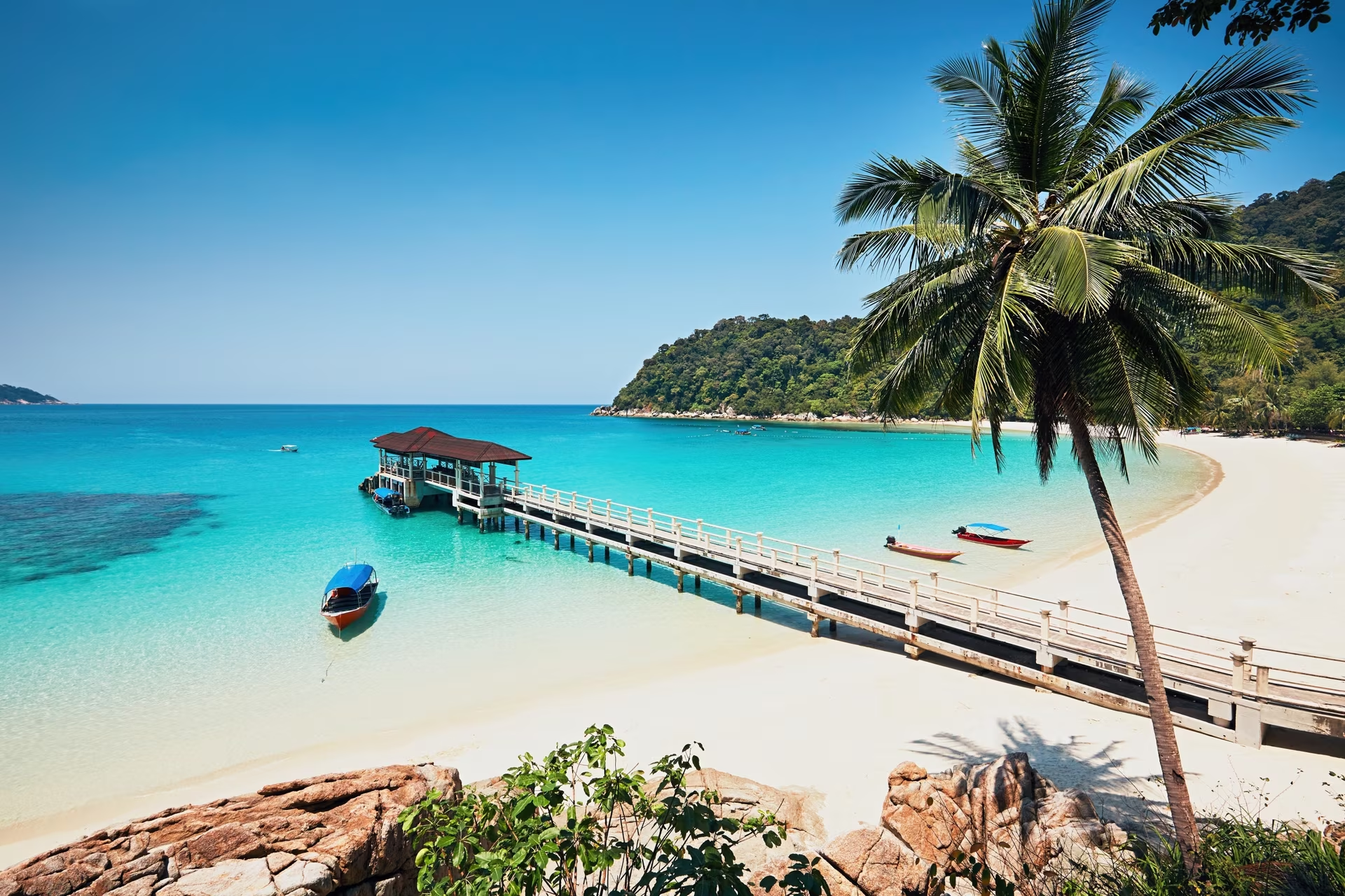
We reach the small village of Andavadoaka: the lagoon is splendid, we are in one of the most beautiful places in Madagascar, where the landscapes are of incomparable purity.

Les canyons et les piscines naturelles de l'Isalo
We dedicate this day to exploring Isalo National Park on foot, with a local guide.
Created in 1962, the park protects a sandstone massif formed some two hundred million years ago, during the Jurassic period. Erosion has sculpted an astonishing landscape of domes, towers, deep canyons and grassy plateaus. The massif extends nearly one hundred kilometers from north to south.
The trail first climbs onto the plateau, where the view opens onto the reliefs and savanna. The guide shows us vegetation adapted to the rock: aloe, spurge and elephant's feet, these pachypodiums with swollen trunks that cling to the sandstone. We then cross cooler canyons, where a stream flows between ferns and pandanus.
Along the way, a natural pool of clear waters, at the foot of a waterfall, invites swimming. Lunch is taken in the shade, by the water's edge.
Ring-tailed lemurs, Verreaux's sifakas and brown lemurs can sometimes be observed near the canyons, as well as reptiles and birds. No sighting is guaranteed, and we do not feed the animals.
Return to Ranohira in late afternoon. Second night in Ranohira.
Hiking: approximately 5 to 6 hours, on sometimes rocky trails.

From Isalo to the sea, to Ifaty
Ranohira → Ifaty
Today, we leave the inland regions to head towards the sea. National Road 7 descends to the southwest, through increasingly dry savanna.
Along the way, we cross the Ilakaka region, where the discovery of sapphires in the late 1990s gave birth to a town in just a few months. Further on, the savanna is dotted with large tombs, sometimes adorned with zebu horns and carved posts, which bear witness to ancestor worship in the South. Then the first baobabs appear and the thorny forest, a sign that the coast is approaching.
We arrive in Tuléar in the early afternoon, time for a stop on the waterfront. The city is the great gateway to the Southwest, and its port sees pirogues and dhows from all along the coast pass through.
We continue north along the coastal road to Ifaty, a string of Vezo fishing villages settled on the edge of a lagoon protected by a coral reef. The Vezo, a people of the sea, live from pirogue fishing with outriggers, and their square sails return to the village at the end of the day.
We arrive in the late afternoon, just in time to see the sun set over the Mozambique Channel.
Night in Ifaty, by the lagoon.
Route: approximately 6 hours 30 minutes, 300 km.

Reniala spiny forest, then Salary
Early in the morning, when the light is soft and birds are active, we set off on foot to visit the Reniala reserve, accompanied by a local naturalist guide. The reserve protects a section of the southern Madagascar thorn forest, one of the world's most singular ecosystems, unique to this arid region.
The vegetation there is extraordinary: baobabs with sculptural forms, some several centuries old, didiereaceae with formidable spines, pachypodiums and candlestick euphorbias. The guide also shows us the medicinal plants that villagers still use, and introduces us to the forest birds, some of which live only here.
We then leave Ifaty heading north, along the coastal track. It crosses a landscape of dunes and thorn forest bordering the Mozambique Channel, and passes fishing villages where pirogues are lined up on the sand. The contrast between the blue of the sea and the grey-green of the thorn forest is striking. The sandy track sometimes requires us to slow down, and our driver-guide adjusts the pace accordingly.
We arrive in Salary in the afternoon. The place is a small preserved corner, set on the edge of a lagoon with crystal-clear waters, protected by a coral barrier, with a long white sand beach and a few Vezo villages. The calm here is total, far from everything.
We settle in for two nights. Dinner at the hotel.
Walk at Reniala: approximately 1 hour 30 minutes. Track: approximately 4 hours, 110 km.

Free day in Salary
Belo sur mer → Morondava
We are heading to Morondava, the small town along the shores of the Mozambique Channel in the central west. Then, Kirindy, 65km north of Morondava in the heart of the Menabe region, on the road towards Bekopaka and the Tsingy de Bemaraha.
We discover the Kirindy Reserve: the forest is of the dry and deciduous type. This natural gem contains a multitude of animal and plant species, some of which are endemic to the location itself. You can find lemurs, mongooses, chameleons and other reptiles, the jumping rat also endemic to Madagascar, and many bird species. The Kirindy Forest is renowned for being the place where you can observe in complete tranquility and in its natural habitat the Fosa (Cryptoprocta ferox), the largest carnivore of Madagascar.
A 2-hour night visit is included at the beginning of the evening.
We will also make a 2-hour day visit early the next morning, where we will have the best chances of spotting lemurs.

From Salary to Andavadoaka, along the coast
After breakfast, we continue north along the coastal track. It runs along the coast, between the sea and the thorn forest, and crosses fishing villages where outrigger canoes are lined up on the sand.
The landscape changes gradually. The thorn forest becomes denser, with its didiereaceae, these spiny plants unique to southern Madagascar, its euphorbias and its baobabs. Further north, Assassins' Bay cuts into the coastline in a wide indentation bordered by mangroves.
We make a few stops along the way, to walk on a deserted beach or greet a village. Encounters are simple and warm, and children often run to see the vehicle pass by.
We arrive in Andavadoaka in early afternoon. This Vezo fishing village is located north of Assassins' Bay, in a remarkable setting: a bay with turquoise waters, white sand beaches, small islands and a coral reef that protects the lagoon.
For several years, the villages in this region have managed part of their fishing zones themselves, with temporary closures that allow octopus and reefs to regenerate. It is one of the most cited examples of local ocean management in Madagascar.
After the large Salary lagoon, Andavadoaka Bay offers another face of this coast. We stay here for two nights. Dinner at the hotel.
Track: approximately 3 hours, 95 km.

Andavadoaka, the lagoon and the baobab forest
This day is free to fully enjoy Andavadoaka and its lagoon.
The coral beds are discovered just a few metres from the shore. The water is clear, and the reef shelters a multitude of colourful fish, corals and starfish. Snorkelling enthusiasts can spend hours there. For divers, scuba diving trips are organised depending on conditions. The corals remain fragile: we do not touch them and do not walk on them.
Fishermen also offer trips in traditional outrigger canoes on the lagoon and towards the islets, and it is an opportunity to see them at work, to understand their fishing techniques and their knowledge of the sea. In the village, women prepare fish and octopus, which dry in the sun on racks.
In late afternoon, we set off on foot, with a guide from the village, into the baobab forest that stretches behind Andavadoaka. These baobabs are short and very squat, with massive trunks, and grow in places in dense stands, amid thorny vegetation. It is an astonishing landscape, very different from the tall, slender baobabs of the West.
For those who prefer rest, the beach and lagoon are more than enough to fill the day. The sunset over the bay, when the outrigger canoes return, is one of the beautiful moments of the stay.
Activities on the lagoon are not included and are organised on site. Second night in Andavadoaka, dinner at the hotel.
Walk in the baobab forest: approximately 2 hours.

Through Morombe and the Mangoky Ferry, to Manja
We set off to explore vast spaces: Grand Tsingy de Bemaraha.
The circuit begins with a 4x4 transfer 17km north of Bekopaka village to reach gigantic limestone cathedrals, dense networks of faults, deep crevasses, limestone blocks sculpted into blades or sharp points that form the « Tsingy ». Through canyons with humid vegetation, and dry vegetation on limestone slabs, passing through labyrinths and joints, we will reach the Roof of the « Tsingy ».
Return to the village at the end of the day.

From Manja to Belo-sur-Mer, on the wild coast
Manja → Belo sur mer
After breakfast, we resume the track heading west to reach the sea.
The track crosses savanna countryside and dry forests, where large baobabs become increasingly numerous. Depending on the season, we must cross a few rivers by ford and sandy passages. Sakalava villages dot the route, with their wooden and leaf houses, their granaries and their herds of zebu cattle.
Gradually, the air becomes more humid, the vegetation changes, and mangrove appears. We arrive in Belo-sur-Mer in early afternoon.
This Vezo fishing village is situated on the edge of the Mozambique Channel, between a lagoon, mangrove and white sand beaches. It is known throughout the island for its shipwrights, who still build by hand, on the beach, large wooden dhows, using techniques passed down from generation to generation.
The village lives to the rhythm of the sea: outrigger canoes leave at dawn and return at the end of the day, loaded with fish and octopus. Further on, salt marshes extend behind the beach.
The rest of the day is free to settle in and walk on the beach. We stay two nights in Belo-sur-Mer, to take time in this timeless village. Dinner at the hotel.
Track: approximately 4 hours, 100 km.

Belo-sur-Mer, at the boatbuilders' workshop
According to the flight schedule to the capital, we take a short city tour and transfer to the airport to take the flight between Morondava and Antananarivo.
Upon your arrival at Ivato airport in Antananarivo, a member of the Détours team welcomes you at the airport.
Transfer to your hotel for the night before continuing this beautiful journey.
test

From Belo-sur-Mer to Morondava, then heading north
We will visit Violette and Dieudonné's ironwork workshop which is a true model of solidarity entrepreneurship, managing a self-sufficient village of artisans. An unusual place to discover absolutely in Antananarivo, with the possibility of bringing back very beautiful travel souvenirs.
Early in the evening, transfer to a restaurant near the airport, one of the best tables in Tana for a final dinner.
In due time, transfer to the airport, assistance with boarding for the flight to Paris. Night flight.
test

Towards Bekopaka, and the Manambolo Gorges
We leave early this morning to reach Bekopaka and the Tsingy de Bemaraha massif.
The track heads north, through savanna, rice fields and forests of baobabs and palm trees. Several stops allow us to stretch our legs and discover Sakalava villages. We cross the Tsiribihina by ferry at Belo-sur-Tsiribihina. It is often the longest moment of the day, but also one of the liveliest. Then the track continues to the Manambolo ferry, which marks arrival at Bekopaka.
The village sits on the riverside, facing the first limestone cliffs of the massif, listed as a Unesco World Heritage site. We settle in for two nights.
In the afternoon, depending on arrival time and river level, our guide takes us into the Manambolo gorges by pirogue, or into the Petits Tsingy on foot. In the gorges, the river has carved the plateau into a narrow canyon with vertical walls, where caves open out. In the Petits Tsingy, the path winds between limestone blocks, passes through narrow crevices and climbs to viewpoints over the forest and stone needles.
The name Tsingy comes from a word that evokes the idea of walking on tiptoes. The dry forest growing between the blocks is home to lemurs, birds and chameleons, which our guide helps us spot.
Night in Bekopaka.
Track: approximately 5 to 6 hours, 155 km, with two ferry crossings. Afternoon visit: approximately 2 to 3 hours.
Price per person
Indicative price per person, based on double room. Each trip is customized according to your preferences.
This trip can be tailored to your preferences
This itinerary provides an excellent foundation for discovery, but it can be fully customized. Our local advisors build each trip tailored to your budget, dates and preferences.
Not included
- International flights
- Domestic flight Morondava to Antananarivo (fluctuating rates, booked separately)
- Visa fees
- Lunches and dinners not mentioned, and beverages
- Free activities on the coast (outrigger canoe, snorkeling, diving, excursions)
- The single room supplement
- Assistance, repatriation and cancellation insurance
- Tips and Personal Expenses
Included
- Welcome and airport transfers in Antananarivo and Morondava
- The 4x4 with driver-guide, fuel included, from Antananarivo to Morondava
- Day J22 in Antananarivo with our team, the upper city and the artisans' workshops
- The walking tour in the baobab forest of Andavadoaka, with a village guide
- Accommodation in double or twin room for 21 nights
- Breakfasts, dinners on the South-West coast, at Manja, at Kirindy and at Bekopaka, and picnics at Tsaranoro, Isalo and Grands Tsingy
- The entrance fees and local guides for parks and reserves (Anja, Tsaranoro, Isalo, Reniala, Tsingy de Bemaraha)
- The pirogue in the Manambolo gorges
- Passages by boat and tolls along the way
- The assistance of our team in Antananarivo throughout your trip
Practical Information
Registration is considered firm and final after payment of a deposit of 30% of the total price and acceptance of the specific terms of sale.
The balance must be paid no later than 45 days before the departure date.
See our specific terms of sale for full details.
In the event of cancellation by the traveller, the following fees apply:
More than 60 days before departure: 30% of the total price (deposit retained)
Between 60 and 30 days before departure: 50% of the total price
Less than 30 days before departure: 100% of the total price
We strongly recommend taking out cancellation insurance. See our specific terms of sale for full details.
Your Passport:
Important: your passport must be valid. It must be mandatory and obligatorily valid for 6 months after the end of your stay in Madagascar.
Your travel documents
Your valid passport,
Your international and/or domestic flight tickets,
Your repatriation insurance/first aid expenses contract, -
Your vaccination record, not mandatory,
Your blood group card if possible.
Obtaining a visa to enter Malagasy territory
Upon arrival in the territory:
The visa cost is €35 for a stay of less than 30 days.
It is easily obtained upon your arrival in Malagasy territory.
This applies to all airports in Madagascar that receive international flights.
Upon arrival in the terminal, upon exiting the plane, a corridor for passengers is dedicated to issuing tourist visas.
This procedure is the simplest. We recommend it to you.
From the embassies and consulates of your countries of origin:
For information, download the document explaining the procedure and the constitution of the file for obtaining a visa from the Madagascar embassy.
To participate in our trips, it is strongly recommended to be insured for repatriation assistance and medical expenses abroad.
Your local agency encourages you to familiarize yourself with the specific contract developed with our partner CHAPKA ASSURANCES and AXA ASSISTANCE.
To subscribe to insurance, learn about coverage and rates, follow the link below.
CAP EXPLORER: The comprehensive insurance solution designed to enjoy your trip with peace of mind!
Choose the plan that best suits you:
Explorer'Multirisque
Explorer'Annulation
Explorer'Assistance
Explorer' Complementary Credit Card
Specific to our trips, we strongly recommend subscribing to them.
If you choose to subscribe to one of these plans, the policy detailing all coverage and procedures for claiming any loss are available on the insurer's website.
Your local agency will be aware of it, but only the participant is responsible for complying with the procedures for declaring any loss. The participant must therefore keep this policy with them throughout their trip.
Chapka — Cap Explorer
Our insurance partnerTravel with peace of mind with our partner Chapka. Cancellation, repatriation, medical expenses, baggage… All the coverage for a worry-free trip.
Travel with peace of mind — I'll handle the insuranceFrequently asked questions
A tourist visa is required, issued upon arrival at Ivato Airport (Antananarivo) or online (e-visa). Your passport must be valid for at least 6 months from your date of entry. Before booking your trip, check with Madagascar's consular authorities for the conditions applicable to your nationality, including visa fees and authorized lengths of stay.
Go to the My Trips section to find all your projects.
You can send a message to your host directly from the Tea Lounge.
For a tailor-made quality trip, expect between 160 and 270 euros per day and per person, including accommodation, meals, internal transfers and English-speaking guide. International flights (900-1400 euros return) are additional. Long transfers and domestic flights represent a significant portion of the budget.
Your documents are accessible in the Documents tab of your trip.
Absolutely. We adapt each itinerary to suit your travel profile. For families, we prioritize relaxed pacing, family-friendly accommodations, fun and educational activities, and comfortable private transfers. Our local English-speaking guides know how to captivate children with age-appropriate anecdotes.
It's simple. You exchange with our local team to define your wishes, budget and dates. You receive a detailed itinerary proposal within 48 hours. You adjust every detail together until it's perfect. You confirm and travel with peace of mind. Your local agency remains available 7 days a week throughout your trip.
In case of emergency, contact your local agency immediately.
Payment is generally made in two installments.
Our agency is part of the Nomadays network, registered in France. You benefit from APST (Association Professionnelle de Solidarité du Tourisme) protection, which covers 100% of your funds. Secure payment, repatriation insurance included, and English-speaking assistance 24/7 on the ground throughout your stay.

Let's talk about your adventure — High Plateaus
Ambassador of Malagasy fihavanana, based in Antananarivo
For me, traveling to Madagascar is stepping into the spirit of fihavanana: sharing, helping one another, meeting people, and taking time to understand what connects them to their land.
— Noro