Mohair Rug Weaving: A Unique Malagasy Craft
The mohair rug, handwoven from 100% mohair wool, is distinctly Malagasy. It deserves far greater recognition. Discover why, what can be done, and who's driving this extraordinary craft forward.
Oct 16, 2018 — The mohair rug, crafted from 100% hand-knotted mohair wool, is distinctly Malagasy. Yet it struggles to receive the recognition it deserves. Why is that? What can be done? Who's behind the effort?
The Malagasy Rug: A Tradition to Preserve
The exact origins of the mohair rug remain unclear, but what's certain is that it's woven nowhere else but Madagascar. The craft passes down through generations—from mother to daughter—in the small commune of Ampanihy, at the far southern tip of the Great Island. This trade experienced its golden age in the 1950s and 1960s, driven by the company "La Maison Mohair." The reasons for the market's decline during the 1970s and 1980s are murky, but today, the Malagasy mohair rug is inseparable from one name: Éric Mallet.
This Frenchman from Versailles fell in love with this distinctly Malagasy rug during a childhood visit to Madagascar. When he found himself stranded in Sainte-Marie in 1993, he didn't hesitate—he drove nearly 2,000 km over punishing roads to reach Ampanihy. Despite the extreme south's notorious droughts and hardship, Éric Mallet made the radical choice to abandon everything and revive mohair rug production. He awakened the weaving spirit dormant in village women and trained them. Thus was born Le Tapis Malgache, and for the past 15 years, he's worked tirelessly to preserve a unique tradition, create stable livelihoods for young local women, and elevate the Malagasy mohair rug to its rightful place.
Mohair Rug Weaving: A Unique Malagasy Craft Worth Celebrating
A Premium Textile and a Work of Art
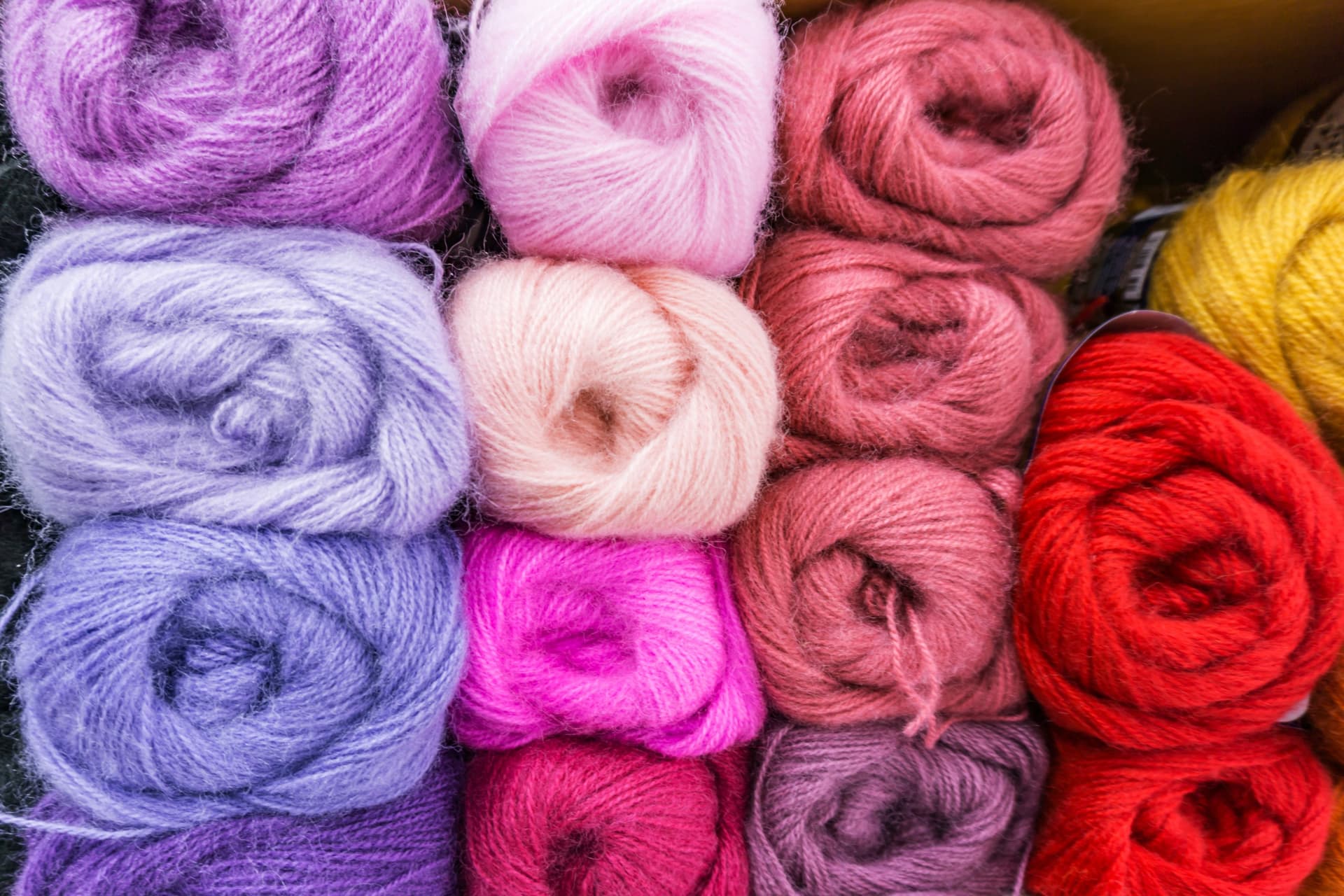
This is a rare, high-end product—nothing short of an artistic creation. Each rug is hand-woven with silky, resilient wool. Ordinarily, mohair (Angora goat fiber) is reserved for fine clothing and ski equipment. Only in Madagascar is it woven into rugs. A single square meter takes one month to complete, representing 70,000 knots. The craftsmanship is impeccable, and the 13 mm pile height delivers exceptional softness and comfort. Years of research and investigation went into sourcing maximum-quality yarns and dyes. The yarn itself is unique—its caliber allows for 70,000 knots per square meter—while the dyes are entirely plant-based, extracted from endemic species gathered in the bush.
Mohair originally came from Madagascar, but the region's Angora goat herds have nearly vanished. Le Tapis Malgache currently imports mohair from South Africa. Regarding dimensions, rugs range from 0.5 m² (0.5 m × 1 m) to 9 m² (2.5 m × 3.5 m), weighing between 1.7 kg and 31.5 kg. The patterns reflect the culture of southern Madagascar—particularly that of the Antandroy and Mahafaly ethnic groups. Yet designs can be customized. Each piece is singular, a true « artwork of the bush »! These rugs have even been exhibited at Is'Art Gallery in 2015.

The Future of the Malagasy Mohair Rug
Le Tapis Malgache is committed to positioning this product within the premium home décor and interior design market. Though the enterprise was severely impacted by Madagascar's 2009 political and economic crisis, this social business survived and continues to provide stable, dignified employment to Ampanihy's residents. The Malagasy government recognizes this work's importance—in July 2006, it awarded Éric Mallet the national order of knight. Yet much remains to be done. Weaver training programs are offered to village women, and the association founded by Éric, affectionately known as « Tapis » (his local nickname), has also launched a lapidary workshop and jewelry creation studio to strengthen the local economy.
Culture and Tradition Tourism — Charlène, Nomadays — A founding SEO writer at Nomadays, Charlène evolved into content manager and head of communications, guiding the adventure with unwavering passion and dedication. After seven years across Asia—from China to Thailand, through Mongolia and South Korea—she transformed travel into a way of being in the world. A lover of language, nature, and meaningful connection, she brings to every piece a sensible, responsible, and wonder-filled vision of tourism. Each article is her bridge between curiosity, respect, and discovery.