Madagascar's National Day: Celebration and Patriotism!
Malagasy flags raised everywhere, street fairs and games, people parading with paper lanterns and firecrackers echoing throughout the evening
Malagasy flags raised everywhere, street fairs and games, people parading with paper lanterns and firecrackers echoing throughout the evening… It's Madagascar's independence celebration. The mood is festive and the joy is palpable! The first national holiday in 1960 lasted an entire month, but today that's no longer feasible. Some traditions have nevertheless endured, even if certain symbolism has been somewhat forgotten.
The festival of harendrina and tsipoapoaka
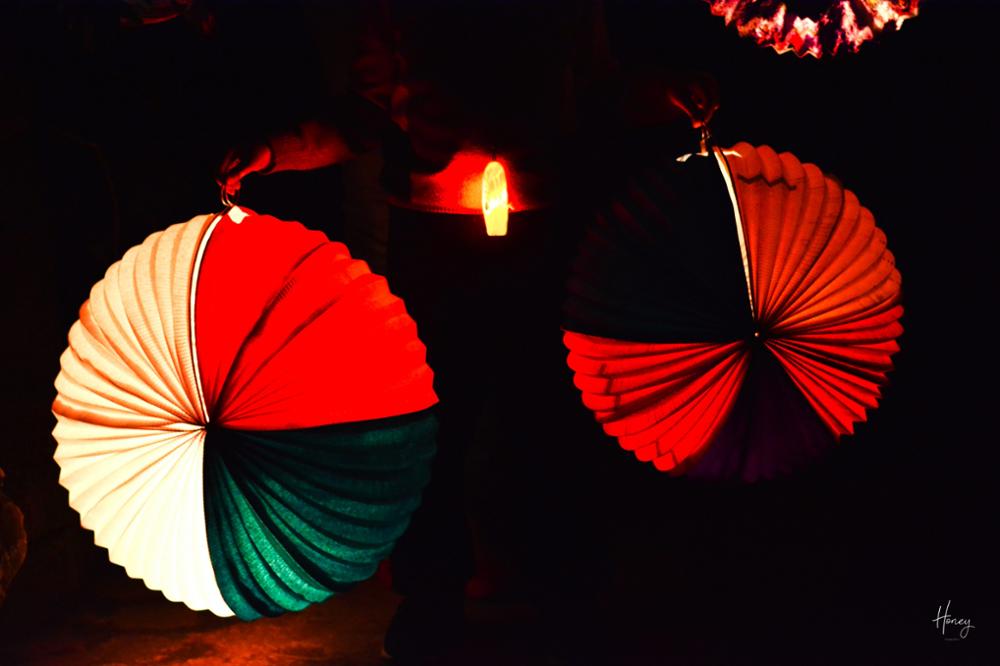
Madagascar's independence anniversary is celebrated on June 26, but festivities begin on the evening of June 25: the idea is to drive away the darkness of the night to let the power of light reign. For children, it's the festival of harendrina (paper lanterns) and tsipoapoaka (firecrackers). The night before the big day, parents and children venture into the streets sporting the famous harendrina, humming the accompanying song: "harendrina taratasy ô, may, may, may…" or paper lantern, burn! burn! burn! meaning "ignite and bring forth the light." And it all kicks off again in the early evening of June 26.
This tradition was once associated with another national celebration: the Malagasy New Year. Women and children would venture out at night with candle-lit lanterns. The fire served to illuminate the village and ward off evil spirits until dawn so that the festivities could continue in serenity. Today, during the independence celebration, people simply take a short walk around the neighborhood and everyone returns home…
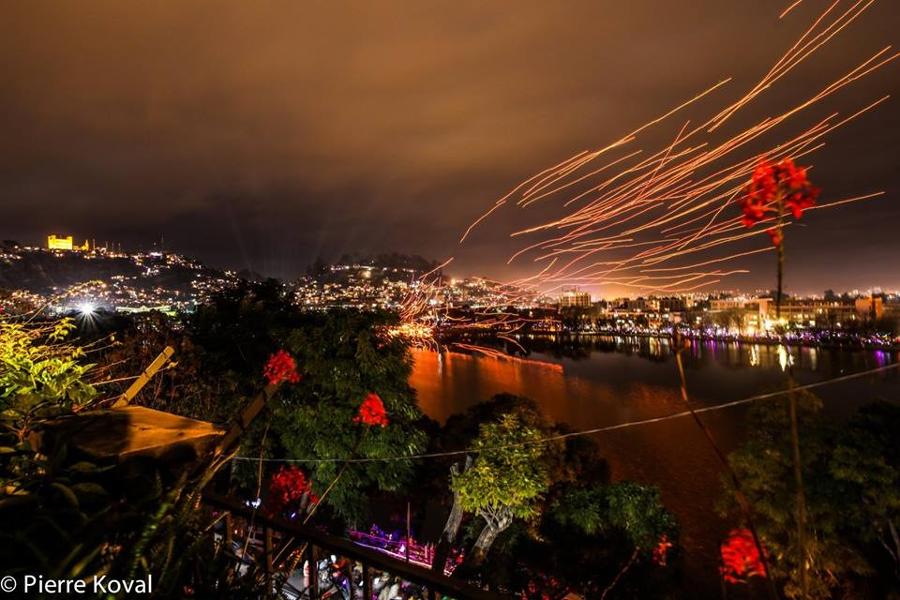
Firecrackers were meant to recall gunfire during the struggle for independence. Nowadays, they're set off one by one, as they're expensive. Let's not forget fireworks either, an absolute fixture at any national celebration. Since 2000, they've been launched from Lake Anosy in Antananarivo and last about 45 minutes. This year, for their grand debut in the remaining 21 regions, they'll last 30 minutes.
 @TanteliniainaRAM
The Festival of Lights and Stages
Fire and its light serve to ward off evil spirits, but in the 21st century, light sources are modernizing. Today, the significance of fire brought to the night to chase away evil spirits is unknown or rather dismissed, with Malagasy people forgetting that the Malagasy land is a land of spirits, as traditional belief holds. Lanterns are being replaced by luminous toys of Chinese origin. It's the height of cacophony during the evenings of June 25 and 26. Some still bring lanterns, but with battery-powered lights instead of candles.
Day and night, free music performances take place in strategic locations across major cities. Both the most popular and emerging artists participate. Crowds gather and create massive traffic jams! Drivers and pedestrians share the streets.
 @PierreKOVAL
The Festival of Games and Popular Dances
Right next to these stages, games of chance and various other attractions continue to thrive. Street food restaurants and street "bars" serving alcoholic beverages and all sorts of meat skewers are never in short supply. This year, in 2019, the Malagasy Army, which is also celebrating its 59th anniversary, is organizing a fair in Antananarivo on the Betongolo grounds. From 10 a.m. to 8 p.m., you'll find zip lines, parachute rides, and various games (mini-trains, lucky dip, darts, flight simulator, lottery, ping-pong, shooting range, roller coaster…)
And what of popular dances? They're not really practiced nowadays. These are festive occasions where young people dance and have fun! When one happens, anyone can attend and participate. Today, some families still organize them, but only for family members. In any case, Madagascar's national day is a time of year when both young and old are happy—but children are especially celebrated, even lending their name to June as the month of children.
The Traditional June 26 Parade
It's on the morning of June 26, at Mahamasina stadium in Antananarivo, that the traditional presidential and military parade takes place. Andry Rajoelina attends each year as guest of honor, with presidents of African countries attending the ceremonies of Madagascar's independence celebration.
Spectators come in droves to witness the annual parade, most traveling from the outskirts of the capital and rural areas to observe the horse parade, helicopters, military aircraft, and vehicles, which provoke an unusual fascination among them..................Fety sambatra!