Traditional Malagasy Houses: Symbols of a People's Identity
Originally, Malagasy houses were built from wood and consisted of just a single room. As Europeans arrived in the country, other construction materials were gradually introduced
Originally, Malagasy houses were built from wood and consisted of just a single room. As Europeans arrived in the country, other construction materials were gradually introduced: raw earth, fired clay, stone (a material originally reserved for tombs), and metal. What has endured, however, is the ritual that accompanies construction. Red raw-earth houses in the highlands and wooden houses on stilts along the coasts punctuate the landscape, making them a attraction in their own right when travelling to Madagascar.
Traditional Houses by Region
Countryside Houses in the Highlands
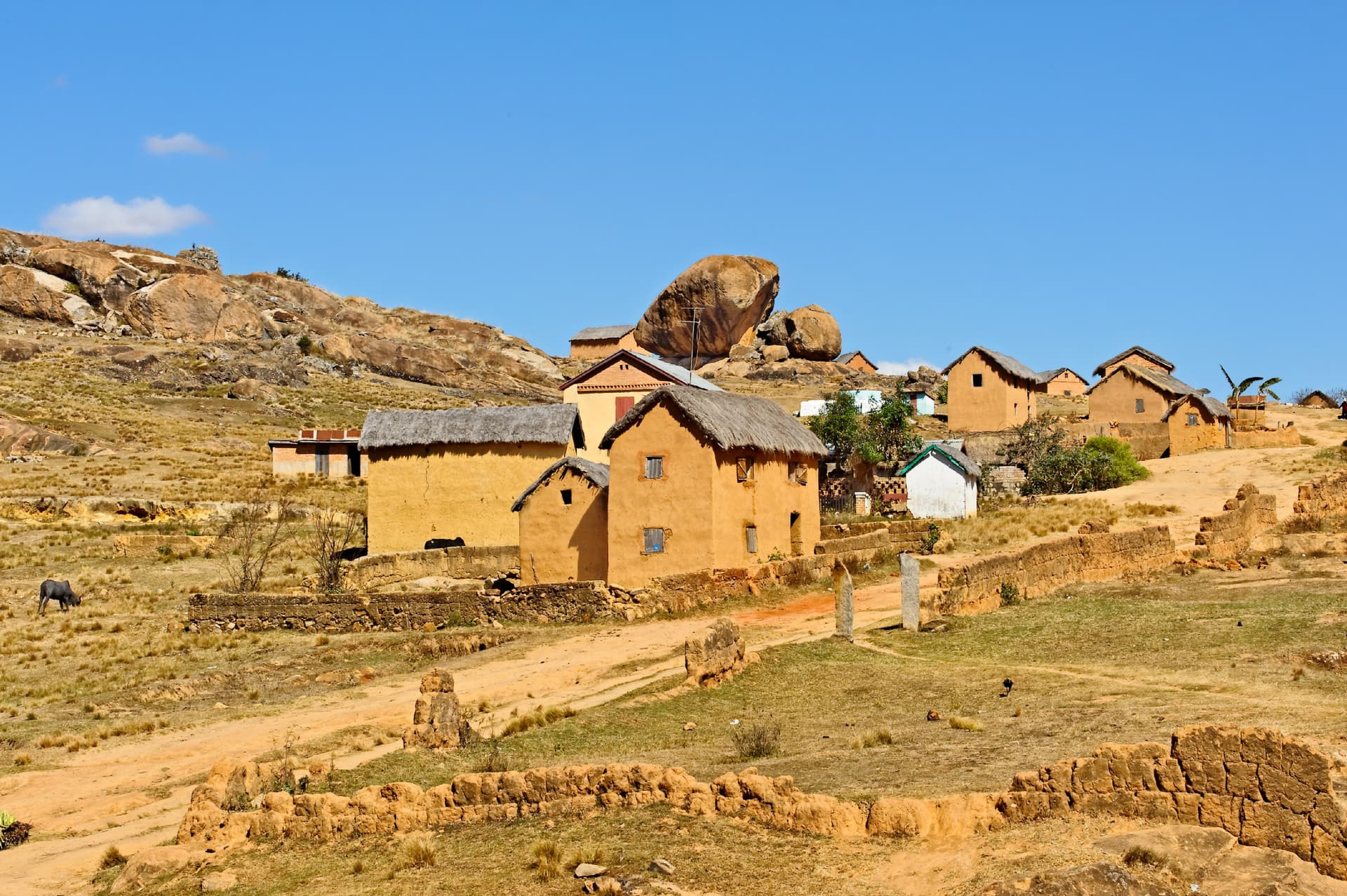
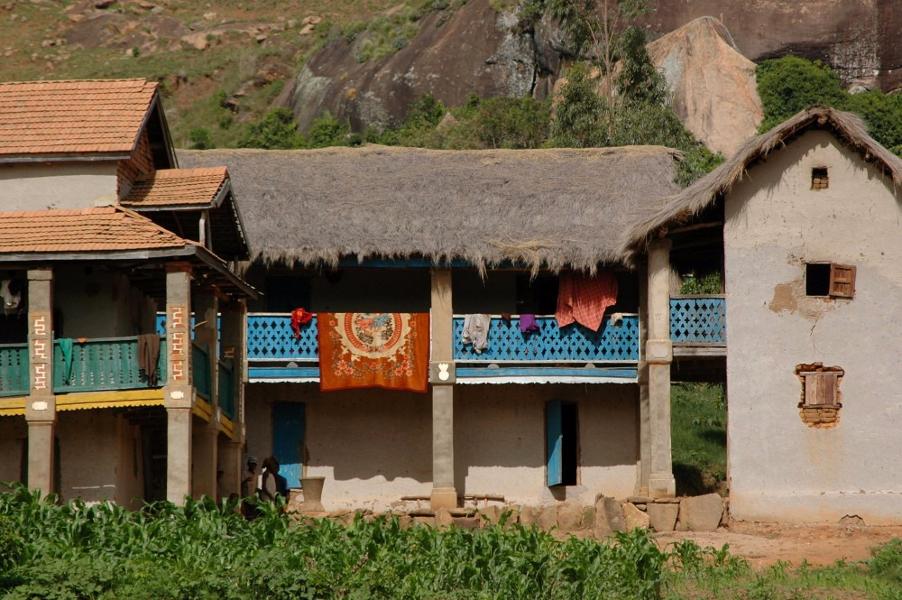
In the highlands, houses were once built from plant materials and wood for the nobility. Few remain today, except at the rova of Ambohimanga in Antananarivo, where you can see that even the king lived in a simple, single-room wooden hut. After the arrival of the English and French, the landscape transformed completely: raw-earth houses with thatched roofs introduced by Jean-Laborde, and brick houses with verandas and tile roofs (now also corrugated metal) inspired by English missionary dwellings. These two architectural styles are now the traditional houses of the highlands. They adorn the national roads within and around Antananarivo, particularly in the countryside.
Wooden Houses on Stilts Along the Coasts
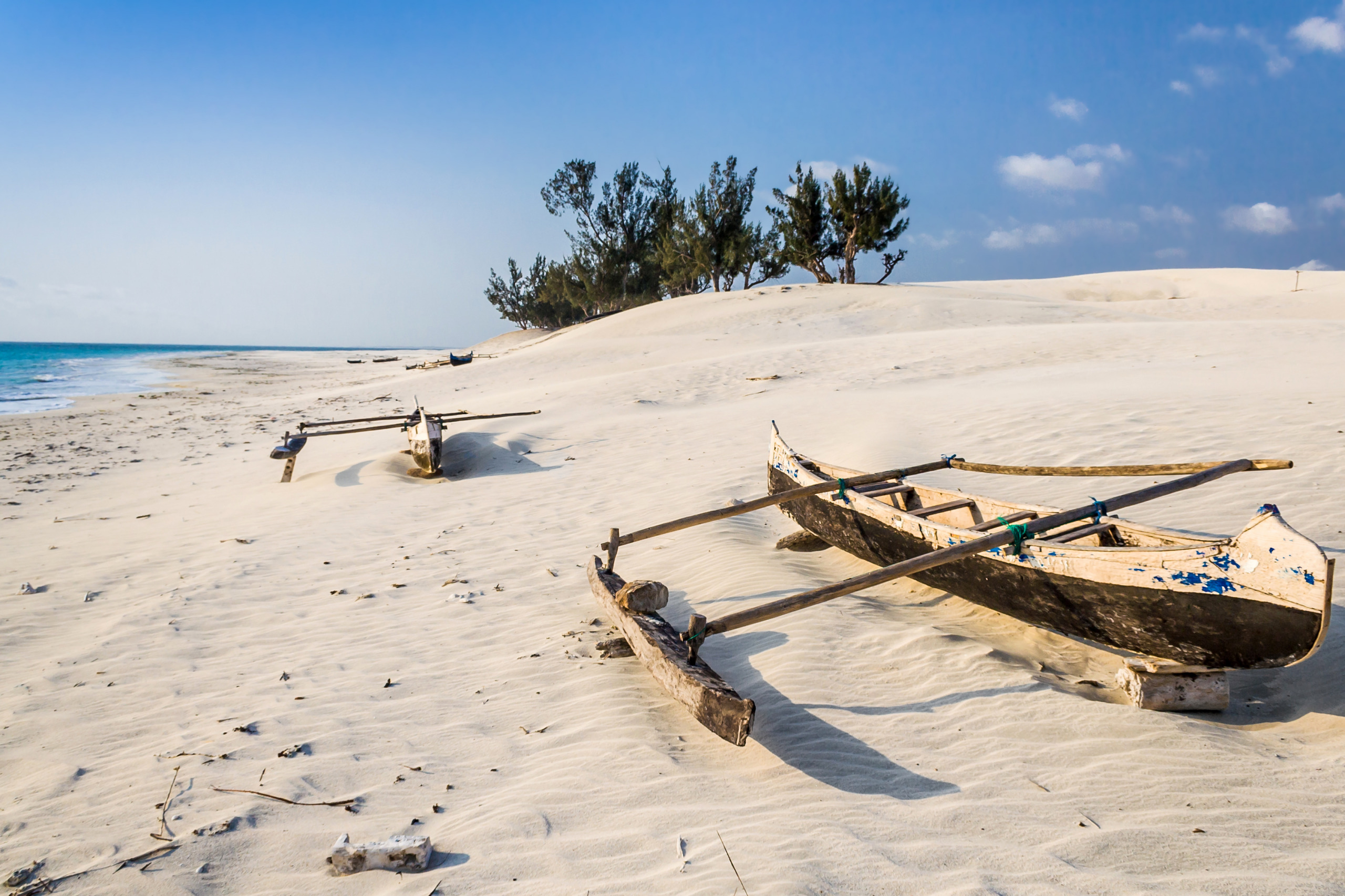
As you approach the coasts and the vegetation changes, you begin to see houses built on stilts. The plant-based construction materials vary by region:
· reeds (near rivers)
· rushes (in the Southwest around Tuléar)
· palm fronds (East and West around Mahajanga)
· traveller's palm (East and on Sainte Marie Island)
· raphia palm (mainly in the North, at Diego Suarez and the Northeast)
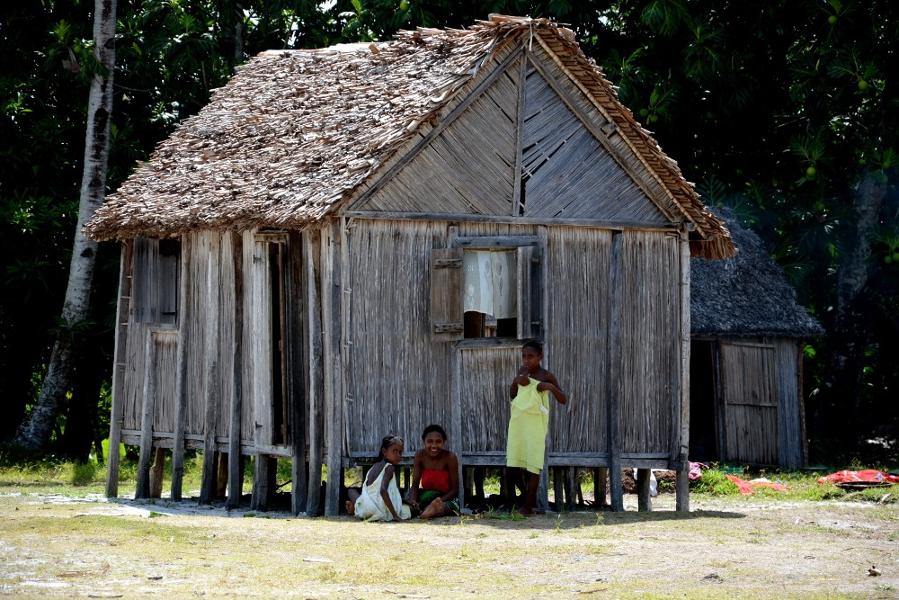
For much of the eastern coast, the architecture is remarkably uniform, consisting of stilt houses covered with thatch made from palm fronds or traveller's palm leaves, known as trano falafa. These are the dwellings of fishermen and farmers in the countryside, but in larger towns and cities, construction follows modern preferences around the principal surviving French colonial buildings, as seen in the city of Mahajanga during a trek or boat journey through Sakalava country, or in Antsiranana during a journey from Diego Suarez to Nosy Be.
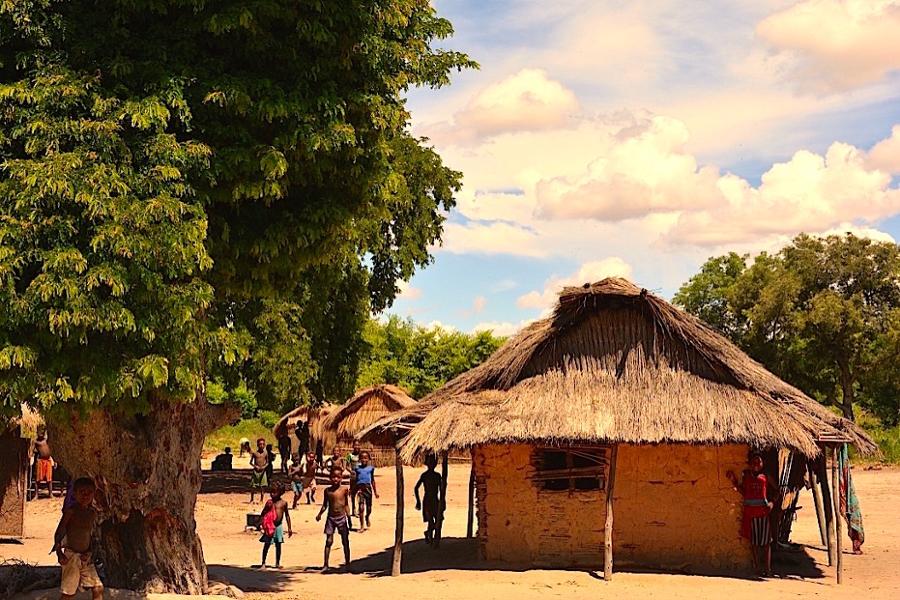
Falafa huts can, however, vary from region to region: on the eastern coast, they are raised on stilts because of the rainy climate in that part of the island, providing protection by elevating the dwelling; in the West, the same applies to houses built by the sea, but inland they are constructed at ground level. In the South, where rain is scarce and unlikely to cause damage, people can afford to use natural materials for the roof and even the entire hut, as seen for instance during a journey through North Makay.
Zafimaniry Wooden Houses: A UNESCO World Heritage Craft
The Zafimaniry villages are located approximately 40 km from the town of Ambositra in the Fianarantsoa region, nestled in remote, forested mountains. You will have the privilege of discovering wooden houses with richly carved doors and windows, along with everyday utensils and objects featuring Austronesian motifs. Notably, the craftsmanship of this particular people is recognized as intangible cultural heritage of humanity by UNESCO. Visiting these villages is possible for those who enjoy challenging treks, as they are accessible only on foot.
House Construction
The construction of a Malagasy house, known as "trano gasy," is bound up with a host of beliefs. Everything must align with the vintana (destiny: a kind of astrological sign), based on the 12 lunar months. If the day construction begins does not align with the owner's vintana, it will bring misfortune. Likewise, there is a specific time of year considered auspicious for building. To determine all of this, one must consult the mpanandro (a kind of astrologer, shaman, or diviner). There is also an entire ritual to observe when laying the foundations. All of this concerns matters of good and bad fortune, even life and death!
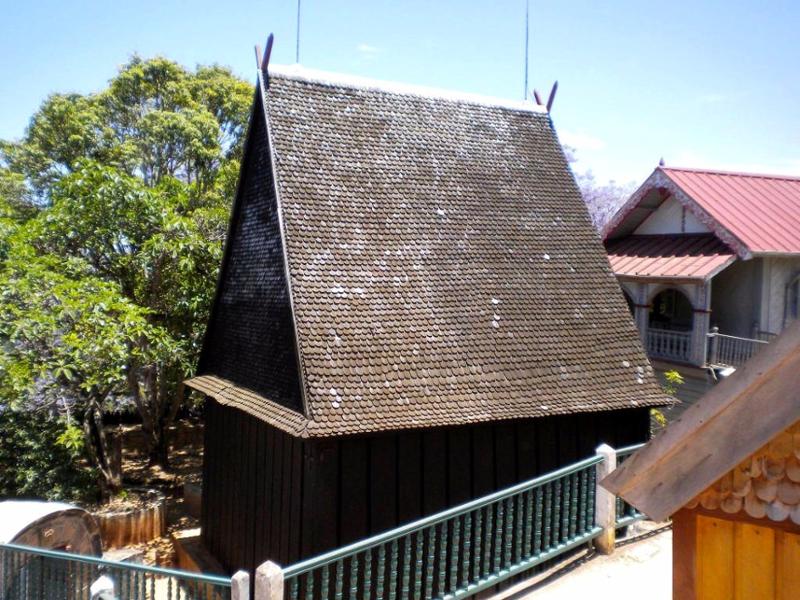
Photo of a former royal house at the rova of Ambohimanga
The interior layout of the house is also very important according to Malagasy tradition and beliefs. Everyone must have their place based on their vintana and status. A traditional single-room house is always rectangular and must face West. The Northeast corner corresponds to the first month of the year and to the vintana Alahamady (the same name for both the month and the vintana). This is the corner reserved for grandparents and ancestors, called zoro firarazana, a union of sanctity and power.
The philosophy of miankandrefam-baravarana is also always considered: openings (doors and windows) must be placed on the West side so that sunlight can enter the house from sunrise to sunset. The organization and layout of the house is quite complex and must be strictly respected even today, when contemporary architecture often takes precedence over traditional craftsmanship.
© Détours Madagascar - 26 November 2019