Train Travel in Madagascar
Train Travel in Madagascar
FCE and Madarail lines, historic routes between Fianarantsoa, Manakara and the east coast: complete guide to train travel in Madagascar.
Train Travel in Madagascar: a Transport Experience Unlike Any Other
Madagascar's rail network today consists of just a few lines operated by two companies, FCE (Fianarantsoa East Coast) and Madarail. Far more than a simple means of transport, the train connects remote villages, crosses forest landscapes inaccessible by road, and forms part of daily life for rural populations. For the traveler, it's an opportunity to witness another facet of the Great Island, at a pace that few other forms of transport still allow.
Why Take the Train in Madagascar
Madagascar's train is not designed for speed or modern comfort. Its appeal lies elsewhere:
- Cross rural zones beyond what dirt roads reach, particularly between Fianarantsoa and the southeast coast.
- Observe local life at every stop: cargo loading, street vendors, exchanges between passengers.
- See varied landscapes unfold: terraced rice paddies, humid forest edges, valleys and mountain slopes.
- Travel aboard ancient railway heritage, with rolling stock from the 1950s-1960s and some preserved historic carriages.
A Brief History: the FCE Line
Construction of the FCE line was initiated by French colonists in 1926. The section connecting the port of Manakara to Fianarantsoa was only completed in 1936, after ten years of work through rugged terrain. The line enjoyed its heyday during the First Republic, serving mainly to transport agricultural goods to the highlands.
The passenger cars currently in service date from 1954 to 1964. The rails themselves are far older: they are believed to date from 1889 and are thought to have been salvaged at the end of the First World War from an old railway line in Alsace before being redeployed to Madagascar. The equipment has aged, but railway workers manage to keep operations running.
What to See and Experience Aboard
The FCE Line: Fianarantsoa – Manakara
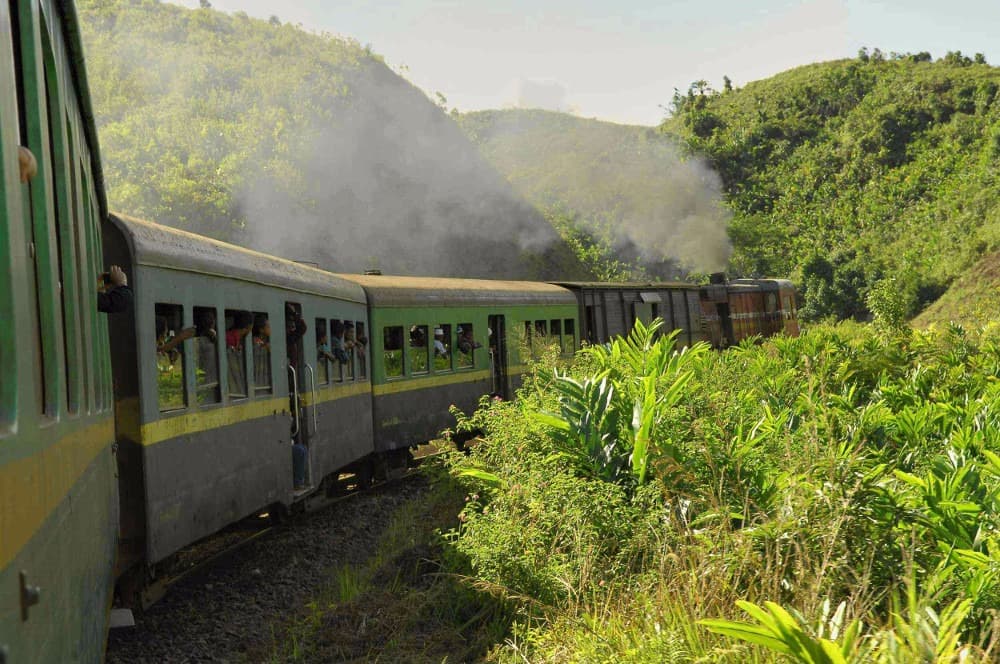
The journey covers 163 km and takes between 12 and 18 hours, depending on stops and unforeseen circumstances. The train passes through 17 stations, crosses 65 bridges and travels through 48 unlit tunnels, including the Ankarapotsy tunnel, which is 1,074 meters long.
The train is above all a lifeline: at each station, locals load and unload bags of fruit, vegetables, rice, chickens and poultry in baskets. Total cargo can reach 200 tons, and the train sometimes carries around 400 passengers, with many standing for much of the journey. Only first-class travelers have access to reserved seats. The gradient and rail conditions demand careful driving, and it's not uncommon for the crew to get out and clear branches or rocks during the rainy season.
At each stop, street vendors offer tropical fruit, cakes, meat patties, skewers, sausages or fried chicken, with some stations having their specialties. Before reaching the terminal at Manakara, the line even crosses the city's airport runway.
The Dia Soa Train (Madarail)
The Dia Soa operates on two lines: Moramanga–Toamasina (TCE) and Moramanga–Ambatondrazaka (MLA). It comprises three passenger cars with 72 seats each and 2 baggage wagons. The route runs alongside streams and forest edges, and the MLA line allows access to the Lake Alaotra region.
The Trans Lémurie Express
The Trans Lémurie Express is the most comfortable option. It operates on the Tananarive–East Coast line (Antananarivo – Manjakandriana, Andasibe or Toamasina) as well as on the Tananarive–Antsirabe line. The interior furnishings showcase Malagasy materials: rosewood parquet, quartz elements, sisal and labradorite. The two Rosewood Class cars offer 52 seats each, with electrical outlets, a bar equipped with a refrigerator and a sink.
The Micheline Viko-Viko
The Micheline Viko-Viko dates from the 1930s and resembles a bus on rails. Its interior has been preserved in its original spirit: bamboo parquet, 19 wicker armchairs, a jump seat, a small bar and a toilet. It serves periodically on the Antananarivo–Toamasina and Antananarivo–Antsirabe routes.
Practical Information
- Companies: FCE for the Fianarantsoa–Manakara line, Madarail for other routes (Dia Soa, Trans Lémurie Express, Micheline).
- Classes: on the FCE, first class with reserved seats and second class with non-guaranteed seating. On Madarail, classes vary by train (Rosewood Class on the Trans Lémurie).
- Booking: recommended in advance for FCE first class and the Trans Lémurie Express, particularly during high season.
- Fares: moderate in FCE second class, higher for premium Madarail services. Prices change regularly, so it's best to check on-site or through your travel agency.
- Luggage: bring a dust-resistant bag suited to loading conditions.
When to Take the Train
The most favorable period runs from May to October, during the dry season. Rains during the cyclone season (December to March) regularly cause landslides and service interruptions, particularly on the FCE line which crosses terrain sensitive to erosion. Delays and cancellations are possible year-round, but they are significantly more frequent during the wet season.
How to Access the Trains
- FCE: departures scheduled around 7 a.m., from Fianarantsoa station (colonial building in the city center) or from Manakara. Frequency varies by season, typically a few departures weekly.
- Dia Soa: departing from Moramanga, accessible from Antananarivo via National Road 2.
- Trans Lémurie Express and Micheline Viko-Viko: departing from Antananarivo, on chartered or scheduled basis.
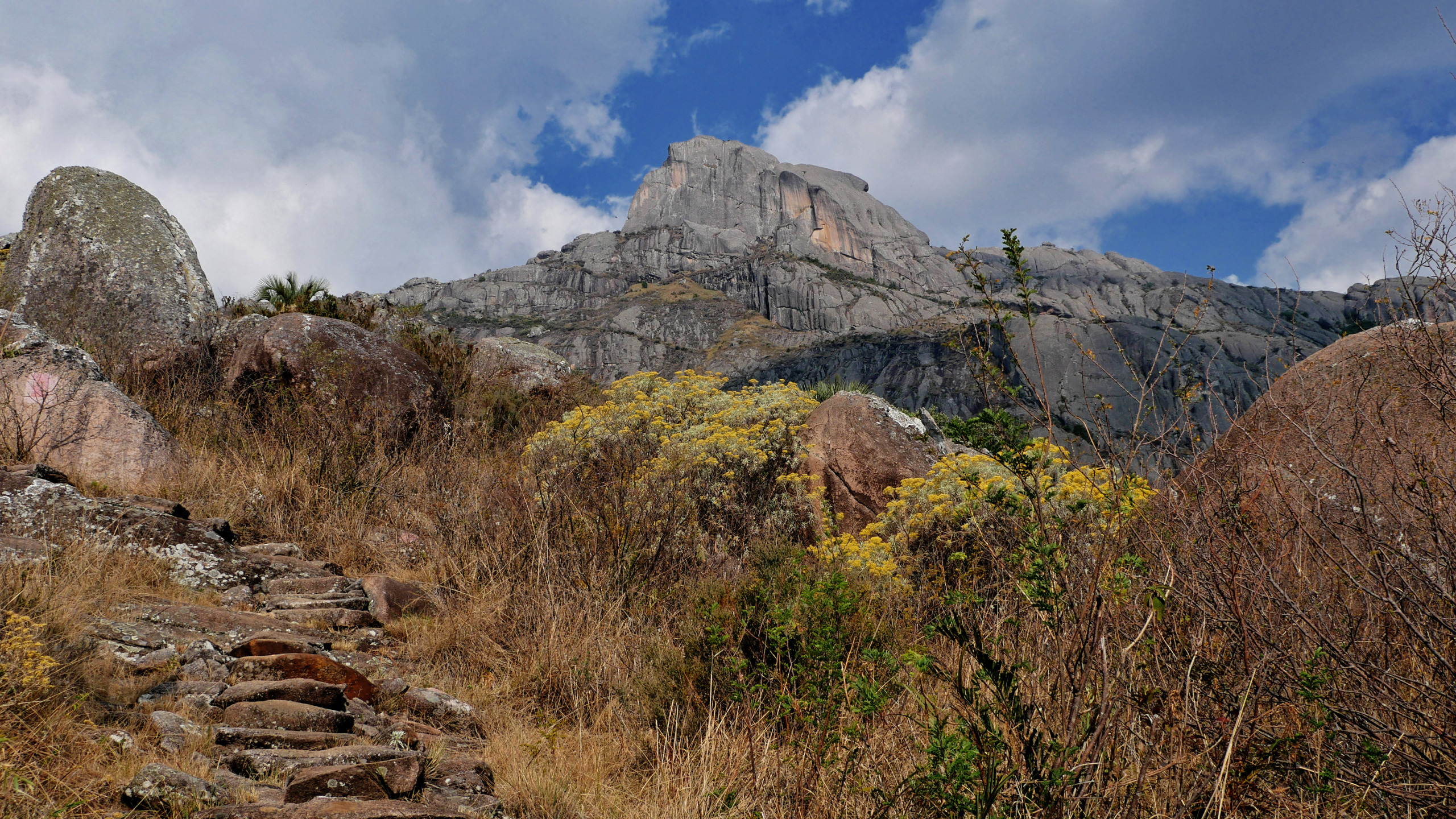
For travel from Fianarantsoa, you can combine your train journey with a visit to the highlands and the Andringitra massif, or extend toward the UNESCO-listed villages of the Zafimaniry.
Frequently Asked Questions
Frequently asked questions
Plan for between 12 and 18 hours to cover the 163 km, depending on stops, loading and track conditions.
It depends on the train. The FCE is basic: rolling stock dates from the 1950s-1960s and second class is very crowded. The Trans Lémurie Express and Micheline Viko-Viko offer significantly greater comfort, with individual seats and onboard services.
Yes for FCE first class, the Trans Lémurie Express and the Micheline, especially between May and October. FCE second class is generally available on the day of travel, but seats are limited.
In theory yes, but the rainy season (December to March) frequently causes interruptions on the FCE line due to landslides or track damage. It's best to allow flexibility in your itinerary.
On the FCE, the wagons are already loaded with local cargo; it's better to travel light. The Dia Soa has dedicated baggage wagons, and the Trans Lémurie offers more comfortable luggage space.
Planning Your Madagascar Journey
The train fits well into an itinerary combining highlands, humid forests and the east coast. To build an itinerary suited to the season and your interests, explore our bespoke travel packages to Madagascar.
Interested in this visit?
We can include it in your personalised itinerary.