Ranohira
Ranohira
On RN7 in southern Madagascar, Ranohira is the gateway to Isalo National Park: trekking, canyons, natural pools and Bara culture.
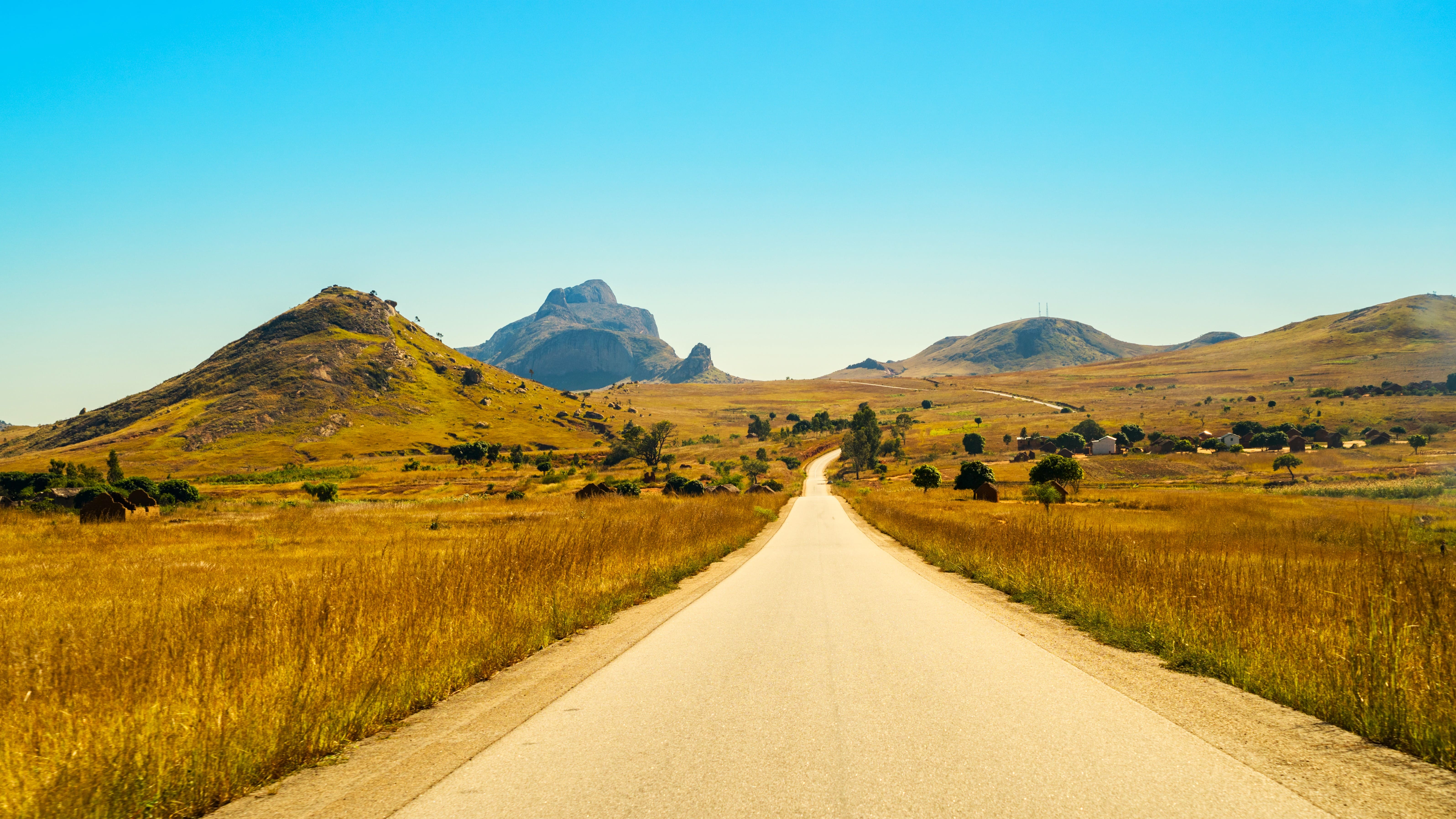
Nestled in southern Madagascar, in the Ihorombe region, this village represents an essential stop along the famous Route Nationale 7. This small settlement, perched between Fianarantsoa and Tuléar, is primarily known for its immediate proximity to Isalo National Park. Before arriving, travelers pass through spectacular landscapes: desert plateaus, rock formations, golden savanna… As you approach the village, the atmosphere becomes singular, especially at sunset, when the Isalo ridges light up in golden hues.
The Village, Ancestral Home of the Bara People
Ranohira is located at the heart of Bara territory, a semi-nomadic pastoral people deeply rooted in zebu herding and ancestral practices. The village's name is believed to derive from the word Hira, meaning lemur (ring-tailed lemur) in the local dialect.
The Isalo rock formations hold significant spiritual importance in the culture. They shelter ancestral tombs carved into stone, testament to a profound spiritual bond between the living and their forebears. The massif is also renowned for medicinal plants used in traditional healing practices.
In the nineteenth century, the Bara people resisted the authority imposed by the Merina kingdom. Their king Ramieba, an emblematic figure of this resistance, is buried in the Ambika region, close to Ranohira.
Ranohira Today
Once a simple pastoral village, Ranohira has evolved into a vibrant commune, standing at the crossroads between tradition and modernity. Its location on RN7 makes it an important junction in southern Madagascar, appreciated by adventure-seekers and those curious about local culture alike.
Far from major urban centers, Ranohira preserves a peaceful atmosphere, rhythmed by markets, popular celebrations, traditional dances such as kilalaky, and the daily life of zebu herders. It embodies a rare balance between authenticity and openness to the world.
What to See and Do in Ranohira?
Beyond its proximity to the park, Ranohira is far more than a mere geographic location; it is a place rich in tradition and human encounter.
Must-see highlights:
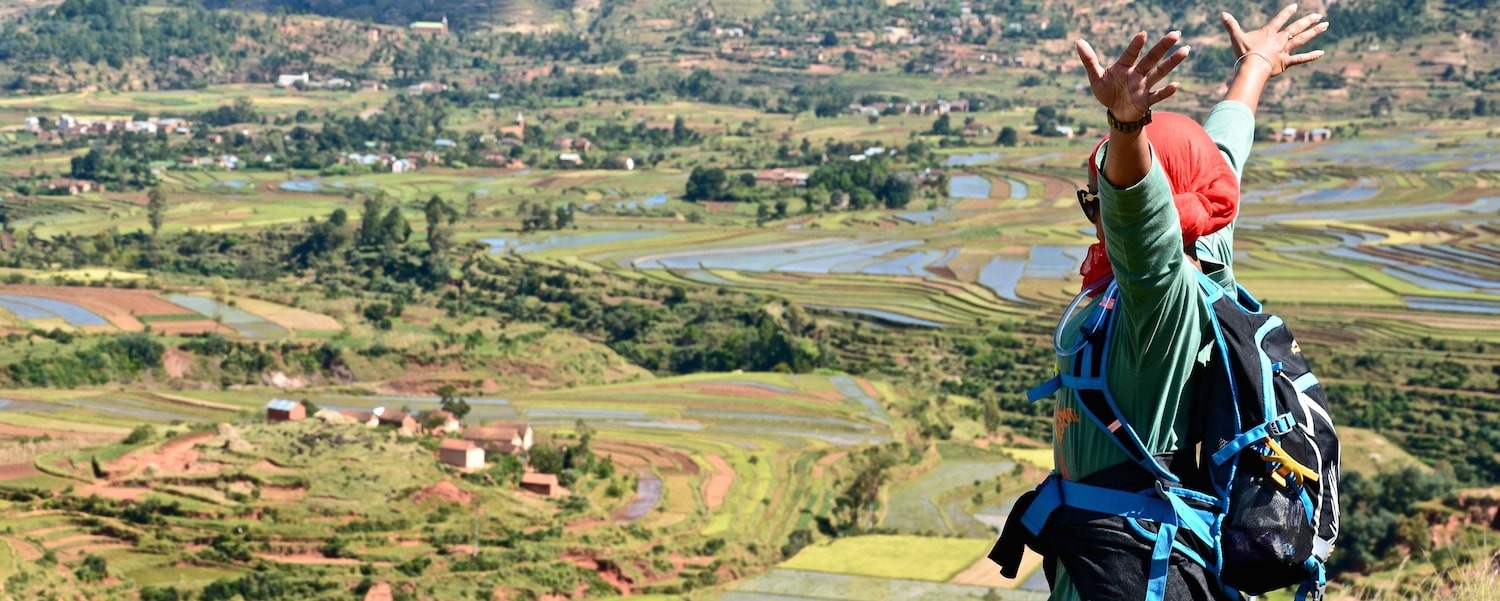
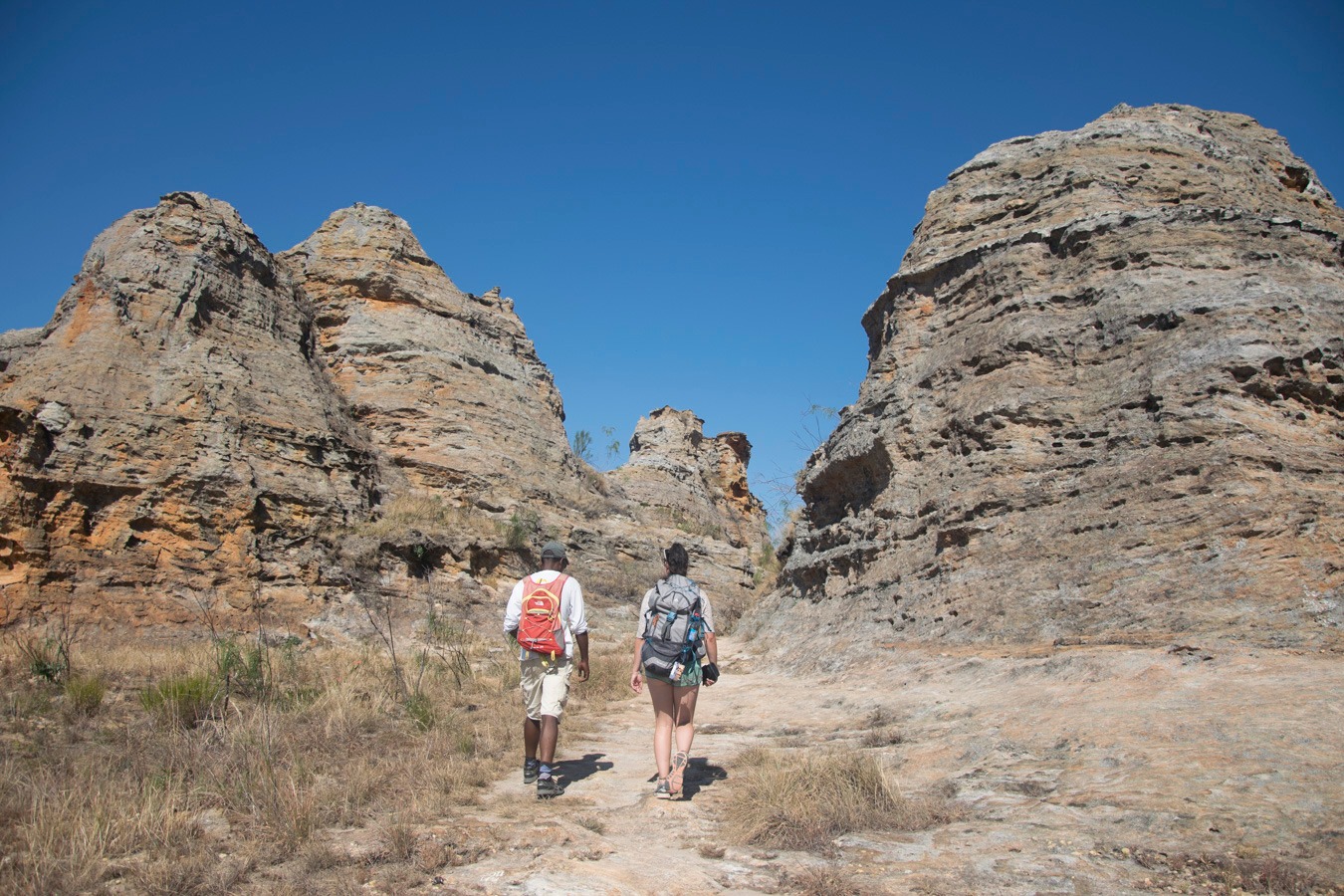
- Isalo National Park: Ranohira is the ideal departure point for exploring this magnificent park with its spectacular relief. Trekking, bivouacking, natural pools and discovery of endemic flora await you.
- Notre-Dame de l'Isalo Church: With its distinctive contemporary octagonal architecture, this Catholic church holds an important place in the spiritual and cultural life of the village.
- "The Queen of Isalo" Rock Formation: A few kilometers from the village, this natural structure carved by erosion evokes, according to local tradition, the silhouette of a crowned woman. It is considered a sacred site by the Bara.
- Traditional Rodeos: During these impressive events, young villagers test their strength and bravery against bulls in makeshift enclosures.
- "Ringa" Wrestling: A bare-knuckle combat typical of southern Madagascar, practiced during local festivals and prized for displays of physical strength.
- Karitaky Festival (October): Held annually, this event celebrates Malagasy culture through music and dance performances and artists from across the island and sometimes abroad.
- Rural Town Atmosphere: Ranohira is an animated waypoint where travelers, merchants and locals converge. It's an excellent stop for discovering a living and welcoming southern Madagascar.
Practical Information
When to Visit Ranohira?
- Dry season (April to October): This is the ideal period to explore Ranohira and Isalo National Park due to pleasant temperatures and passable trails.
- Rainy season (November to March): This period is marked by regular rainfall that can complicate travel, but offers in return landscapes of exceptional vegetation richness.
Getting There
- By Road (RN7): Ranohira is located approximately 685 km south of Antananarivo, accessible via Route Nationale 7, one of the country's main thoroughfares.
- Minibus Taxi: Frequent connections exist via shared transport between the capital Antananarivo and Ranohira village. The journey takes approximately 20 hours, with regular departures from main bus terminals.
- Private Car or Rental with Driver: A more comfortable option, allowing stops at sites of interest along RN7, such as Ambositra and Fianarantsoa.
Getting Around
- On Foot: The village of Ranohira is small and easily explored on foot.
- Park Entrance: Accessible on foot or by vehicle depending on accommodation location.
- A Licensed Guide is Mandatory for visiting the park. They can be booked in advance or found locally.
Useful Tips
What to Pack:
- Hiking boots
- Swimsuit
- Sunscreen and insect repellent
- Waterproof jacket (November–April)
- Warm clothing for evening
- Water bottle (the climate is hot and dry)
Want to discover this destination?
Our local advisors design your tailor-made trip.