North and Nosy Be
Diego Suarez, Ankarana and Amber Mountain parks, Nosy Be archipelago and its islets: Madagascar's most contrasting region, between volcanoes, tsingy and lagoons at 28°C.
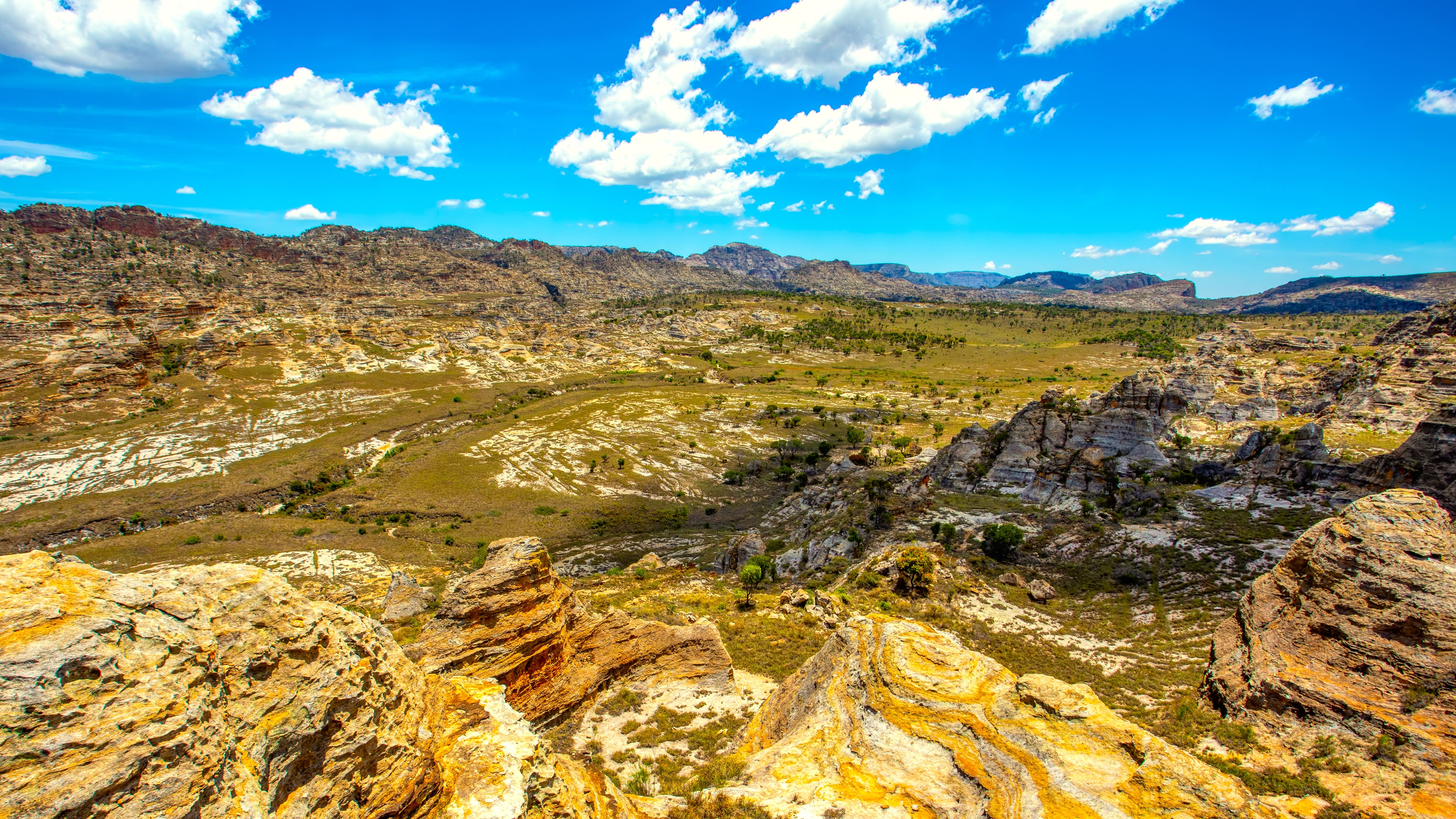
Northern Madagascar begins at Diego Suarez, now called Antsiranana, a port city nestled at the base of the world's second-largest bay after Rio de Janeiro. Creole, Indian, and Comorian heritage reveals itself in the colonial architecture of the center, the pastry shops along Colbert and Richelieu streets, and the coconut fish cuisine we serve our travelers upon arrival. Within 200 kilometers, the region concentrates a geological diversity found nowhere else on the island: the volcanic massif of Amber Mountain, red tsingy plateaus sculpted by erosion near Irodo, beaches in Sakalava Bay swept by trade winds, and the volcanic archipelago of Nosy Be 150 kilometers further west.
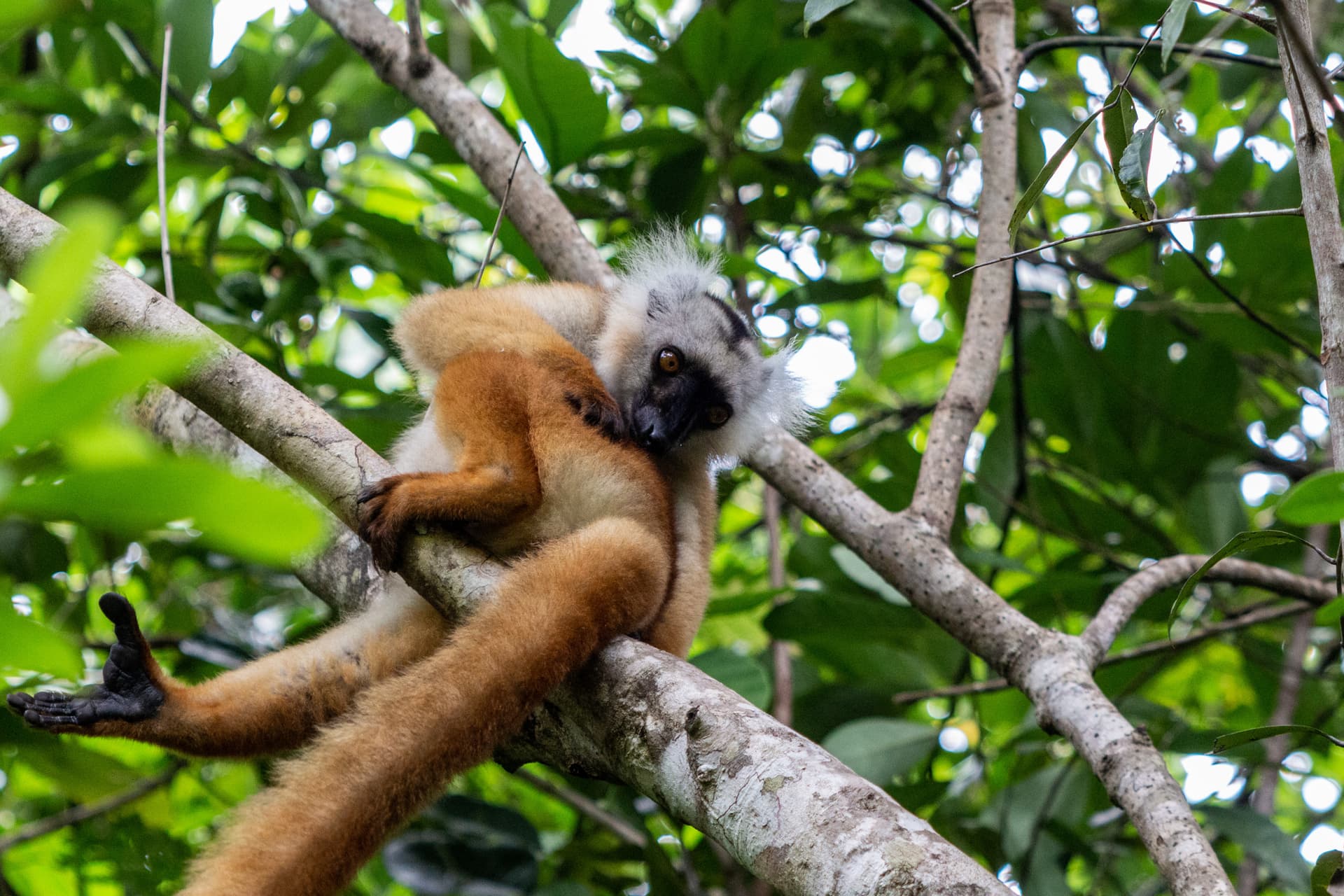
Amber Mountain peaks at 1,475 meters and catches clouds drifting from the Indian Ocean. The national park that covers it shelters seven lemur species, including the rare crowned lemur, and a network of waterfalls featuring the Grand Waterfall at 80 meters. Temperatures cool to 15°C at night during the dry season, a welcome contrast after coastal heat. Lower down, around Joffreville and Antsalaka, ylang-ylang, vanilla, and pepper plantations sustain an economy that has supplied French perfumery for a century.
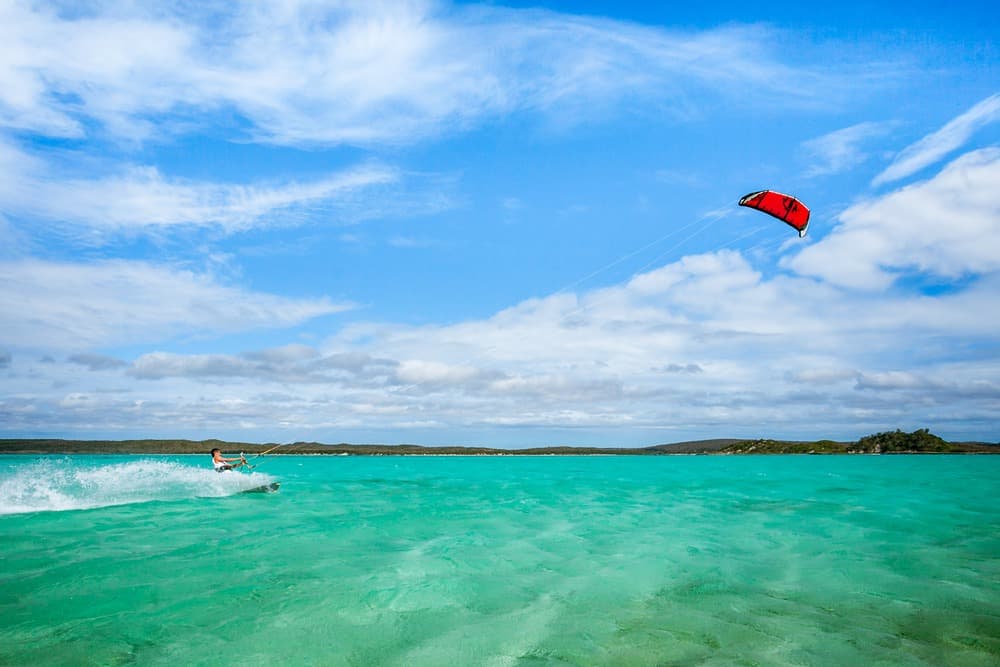
The Antsiranana peninsula opens onto three successive bays: Bay of the French, Bay of the Dunes, Bay of the Pigeons. Sakalava Bay, further southeast, hosts a recognized kitesurfing school: the varatraza, a thermally driven southeast wind, blows regularly from May to October, between 18 and 25 knots. For geology enthusiasts, the red tsingy of Irodo, two hours by rough track from Diego, present unique laterite sandstone needles in the world, formed by differential erosion of a sedimentary basin. Allow a full day for the round trip by 4x4.
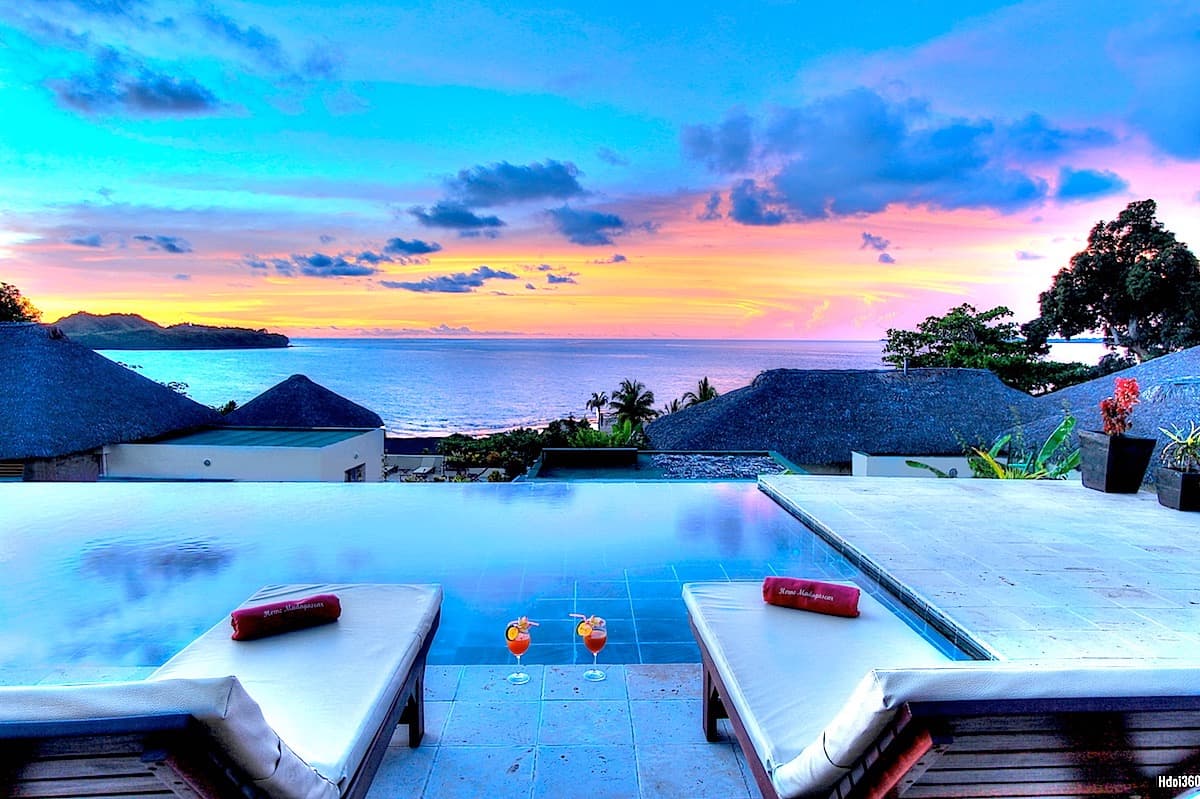
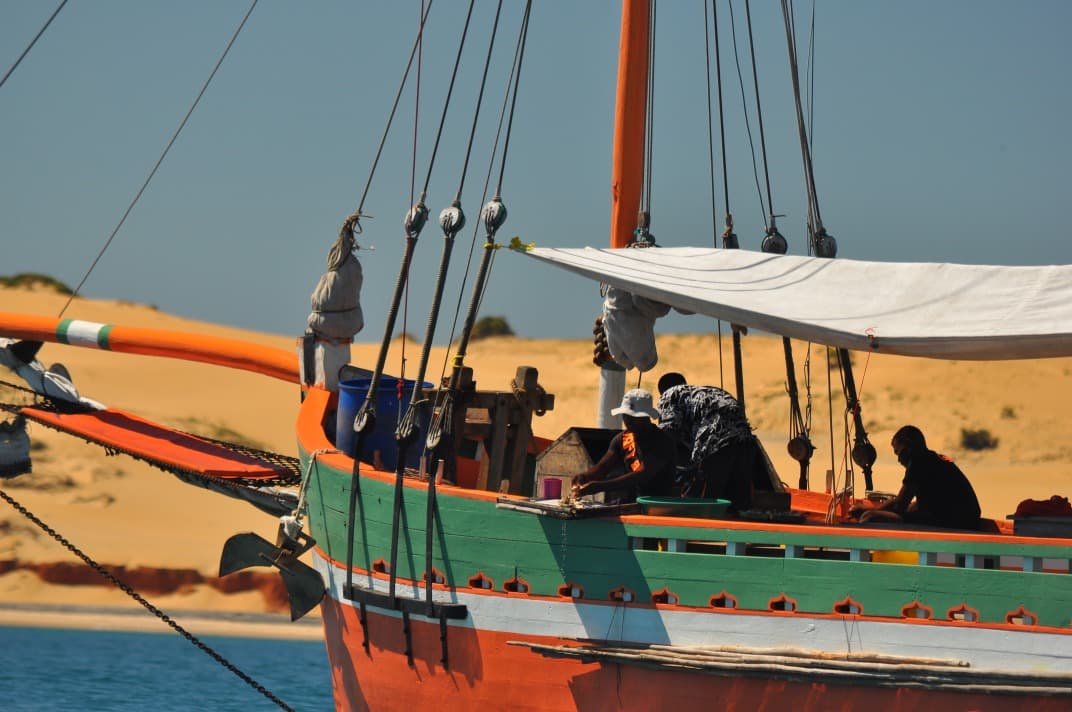
Nosy Be, the perfume island, thrives on tourism, fishing, and ylang cultivation. Hell-Ville, the only true town, preserves its spice market and colonial warehouses. But it's the archipelago around it that captivates our travelers: Nosy Komba with its semi-habituated black lemurs, Nosy Tanikely and its marine reserve where green sea turtles and eagle rays glide in less than five meters of water, Nosy Iranja with its 1.5-kilometer sandbar connecting two islands at low tide, Nosy Sakatia for turtles, and Nosy Mitsio further north for sailing enthusiasts. Water temperature never drops below 26°C, even in July.
From September to November, whale sharks migrate up the Mozambique Channel and congregate off Nosy Be to feed on plankton. Boat excursions depart from Befotaka or Ambatoloaka, with encounter rates of 80% in October. It's also the season when humpback whales, having descended to calve in warm waters between July and September, are still observable with their calves. This concentration of marine wildlife, combined with the terrestrial fauna of Ankarana and Amber Mountain parks, makes these three months the finest window for experiencing both environments.
The Antakarana people, dominant in the region, maintain royal traditions around King Tsimiaro, based in Ambatoharanana. The Tsangantsaina festival, the raising of a sacred mast every five years, mobilizes the community for several days. On Nosy Be, the population is predominantly Sakalava, with Comorian and Indian influences visible in names and cuisine. Malagasy is spoken with a strong coastal accent, and French remains the second working language.
Must-See Attractions
Ankarana Reserve and its gray tsingy. A fractured limestone massif with razor-sharp blades, traversed by underground rivers and forest canyons inhabited by crowned lemurs and bats. Treks lasting 2 to 4 days with bivouac camping between the pinnacles.
Snorkeling at Nosy Tanikely. Fully protected marine reserve 30 minutes by boat from Nosy Be. Green sea turtles, parrotfish, and hard corals visible right from the shore, without needing scuba certification.
Whale sharks off Ambatoloaka. Between September and November, day excursions with marine biologists to swim alongside juveniles 6 to 9 meters long, at the surface, in 28°C water.
Red tsingy of Irodo. Unique geological formation of laterite sandstone eroded into vivid ochre needles, accessible from Diego by 4x4 via a 2.5-hour track through Antakarana villages.
Kitesurfing in Sakalava Bay. Enclosed water body, sandy bottom, consistent wind from May to October. Local school, accommodation in bungalows overlooking the spot, beginner to advanced levels.
When to Visit
The dry season runs from April to November, with the ideal window between May and October: daytime temperatures of 28 to 32°C on the coast, 22 to 26°C at altitude on Amber Mountain, manageable humidity, and sea conditions suitable every day. September to November concentrates whale shark passages and lingering humpback whale pairs, our preferred window for combining sea and land exploration. From December to March, the rainy season brings short but intense downpours, especially on Nosy Be and Amber Mountain where clouds accumulate: tracks to Ankarana and red tsingy sometimes become impassable, cyclones possible in January and February.
The region remains accessible year-round for beaches, with water never dropping below 26°C. But for trekking in the parks or rough roads into the interior, we advise against January through March. April offers an often-pleasant transition: vegetation still green, temperatures declining, fewer visitors.
Practical Advice
Plan a minimum of five days on-site to move comfortably, ideally seven to ten if you want to combine Diego, Amber Mountain, Ankarana, and Nosy Be. Entry points are Fascene Airport on Nosy Be or Arrachart Airport in Diego Suarez, both served by domestic flights from Antananarivo in two hours. The road connecting Diego to Ambanja, the embarkation port for Nosy Be, takes six to eight hours and crosses Ankarana, enabling a logical overland loop without returning to the capital.
This region combines poorly with the Highlands or the Southern RN7 route except with a minimum 15-day Madagascar itinerary due to flight logistics. It works better as a self-contained 8 to 12-day stay, or as an extension after a West and Tsingy loop via domestic flight. Accommodation ranges from simple bungalows to international beach hotels on Nosy Be. This region suits travelers wanting to blend nature, sea, and culture without long road journeys, families with children from age 7-8 onward, divers, and marine wildlife enthusiasts.