Madagascar Heritage
·
Following the Pangalanes Canal and Sainte Marie Island, we conclude this series of documentaries with the Merina Kingdom and the 12 hills of Imerina. Broadcast scheduled for Thursday, June 28, 2018 at 5:30 PM
June 25, 2018
Following the Pangalanes Canal and Sainte Marie Island, we conclude this series of documentaries with the Merina Kingdom and the 12 hills of Imerina. Broadcast is scheduled for Thursday, June 28, 2018 at 5:30 PM French time on ARTE channel.
- Our journey begins approximately 20 km from Antananarivo, in the heart of Imerina, where we will explore the Blue Hill or sacred hill "Ambohimanga", classified as a UNESCO World Heritage site, which holds within it a large part of Madagascar's history and identity. Our guide is Mr Roland RAKOTOVAO, historian and researcher-lecturer at the University of Antananarivo. This hill, surrounded by primary forest, comprises in particular a royal city founded in the 18th century, a funerary site (with royal tombs), majestic royal trees, and other revered sites such as sacred basins and groves. The royal hill of Ambohimanga stands as an exceptional testament to the civilization that developed on Madagascar's central highlands from the 15th to the 19th century. It is the home of Merina cultural and spiritual traditions, the cult of Kings and Ancestors.
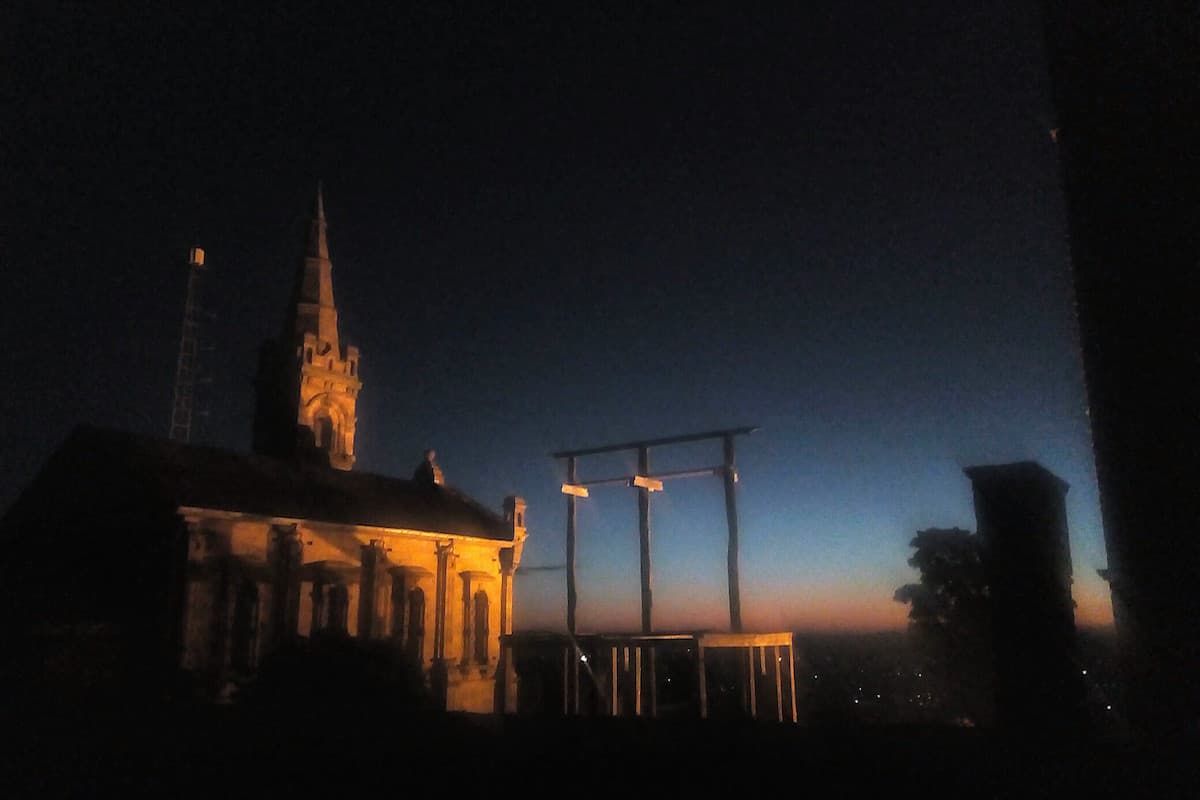
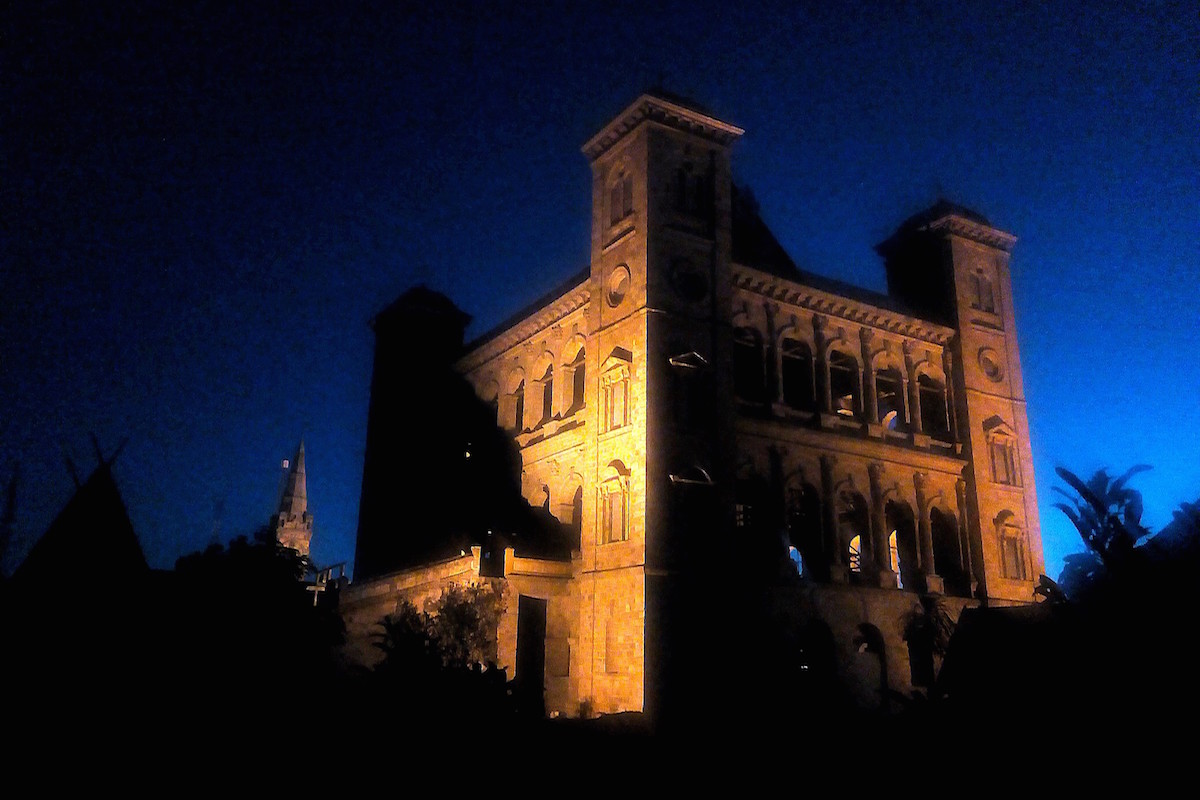
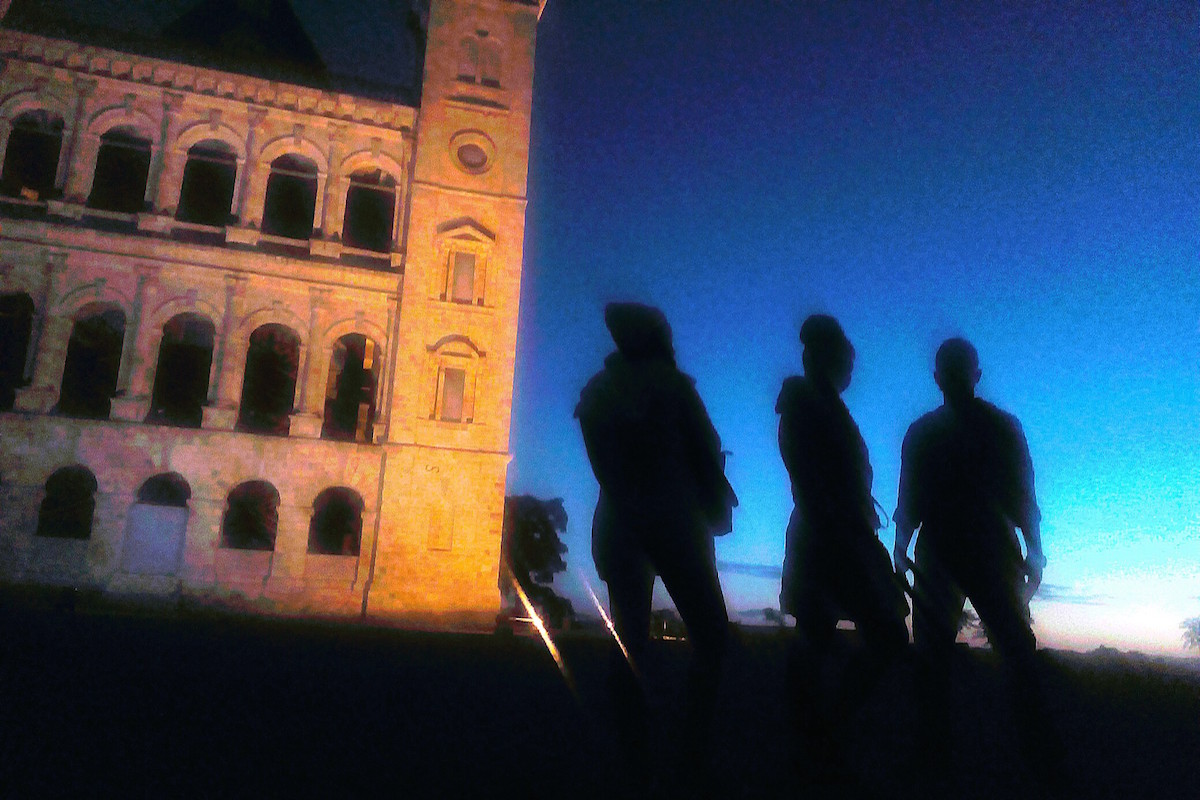
- We will then visit the Queen's Palace or Rova of Manjakamiadana, with Madame Helihanta, historian and wonderful storyteller of the complex and turbulent history of the Great Island. Situated at the summit of Antananarivo's highest hill at over 1,400 meters altitude, the palace commands a breathtaking view over the capital. Built from the 17th century, the Rova or Queen's Palace, classified as a World Heritage site in 2001, was the main residence of the kings and queens of Imerina (and seat of the royal garrison) between the 17th and late 19th centuries. The foundations of the Rova were laid during the reign of King Andrianjaka, between 1610 and 1630. Nevertheless, it was in 1839, under the reign of Ranavalona I, that French architect (and first consul of Madagascar) Jean Laborde had the first stone structures built. Within a few decades, the Merina monarchy spectacularly transitioned from the feudal era (the modest wooden house of King Andrianampoinimerina at Ambohimanga) to the Victorian era (the court of the Queens' palace). In 1945, the stone facade was rehabilitated by architect James Cameron. A splendid triumphal arch portal crowned with a hawk (symbol of Merina royalty) was furthermore erected.
- Finally, we will visit Notre Dame Andohalo Cathedral, the first Catholic church in Antananarivo. Today, worship is celebrated in French and Malagasy. Sylvain Urfer welcomes us there. A Jesuit, he is the author of numerous analyses on traditional Malagasy culture in the face of modernity. Of Gothic style, this historic monument is among the treasures of Antananarivo's Architectural Heritage. It is frequently compared with Notre-Dame de Paris Church, of which it would be a miniature replica... The site recounts how in 1864 Queen Ranavalona II, followed by the entire country, converted to Christianity. It also heralds French colonization and the end of the kingdom, which surrendered in 1895. Today, the Merinas, proud of their history, gather on weekends with family or even in pilgrimage throughout the year. It is not uncommon that after Sunday mass, Merina Christians come to these sanctuaries to make a vow, ask for a blessing, or seek healing for incurable illness. "We receive about sixty people per day. Double on weekends. And we sacrifice a zebu each week," explains proudly the Mpiandry Doany, the guardian of the Doany. At the time of the crescent moon and during the Alahamadibe, people come in droves, a resident confides.
Benjamin Lalande - Détours Madagascar