The 12 Sacred Hills of Imerina
Among Madagascar's most emblematic sites are the 12 sacred hills of Imerina. Discover the history behind the elevations that shaped modern Antananarivo
Among Madagascar's most emblematic sites are the 12 sacred hills of Imerina. Discover the history behind the elevations that shaped modern Antananarivo (capital of Madagascar).
The 12 sacred hills of Imerina in Madagascar: then and now
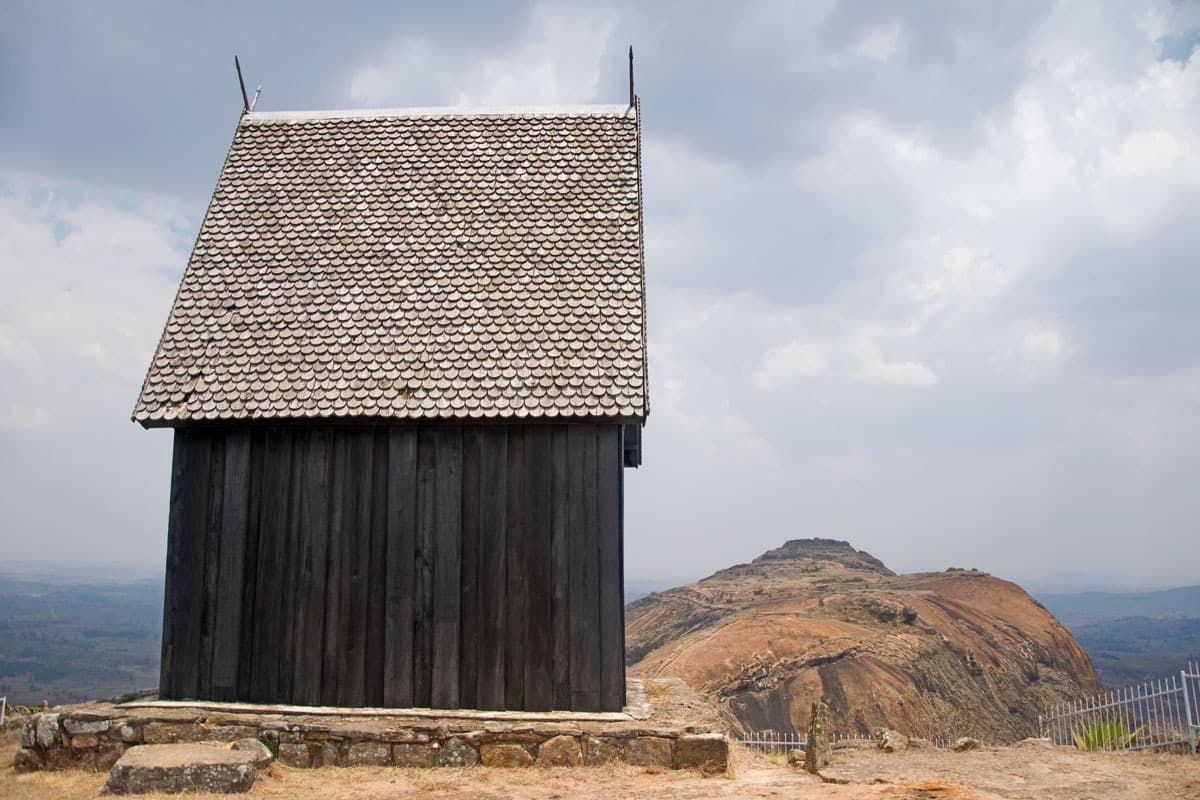
The 12 elevations scattered throughout the Analamanga region hold countless stories. These sites have been and continue to be the setting for numerous ancestral rites and traditions, such as Famadihana, the turning of the bones. Each harbors royal villages that were targets of a political scheme devised by the great king Andrianampoinimerina. It all began in the 16th century when king Ralambo decided to unify the small villages located around his kingdom. However, the operation ended in failure.
The destiny of the 12 hills took another turn during the 18th century, under the reign of king Andriamasinavalona. This monarch divided his kingdom to share it among his 4 sons. Years later, Andrianampoinimerina (1787-1810) decided to reunify these divided lands and undertook a conquest of the 12 hills. After each victory, the sovereign installed a palace in the hill's village and married a woman there to mark his power. This is how the fame of these 12 elevations emerged. They are linked to the 12 wives of the monarch. It is worth noting that the number 12 conveys an idea of completeness and fulfillment.
Even today, these sites host numerous traditional rituals. Each Malagasy New Year or Alahamadibe, descendants of kings and astrologers gather on these grounds. They collect a small amount of earth from near the burial sites of royal figures and distribute it to people gathered there. This dust is considered a good luck charm. Thus, unmarried people gather there to facilitate finding true love. The unemployed come to pray for work. The sick seek healing…
The 12 hills of Imerina in detail
-
What exactly are these famous 12 hills? They are:
- The sacred hill of Analamanga: which rises to more than 1,430 m in altitude. It constitutes the highest peak in the City of a Thousand Hills. Its reputation stems from the Rova (palace) of Manjakamiadana where the Queen was housed.
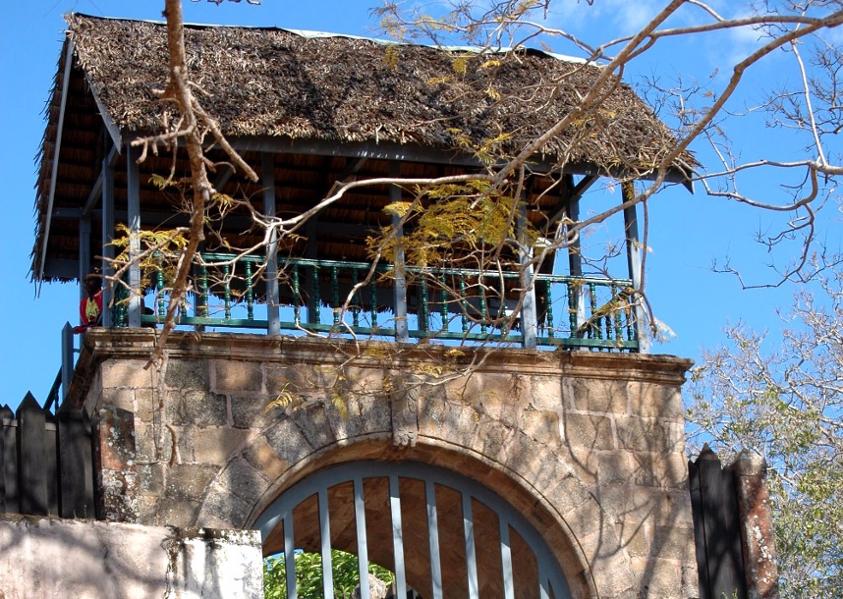
- The sacred hill of Ambohimanga and its 7 gates. The Rova of Ambohimanga is encircled by a vast moat accessible through 7 gates. This site is considered the birthplace of the unification of Merina territory during Andrianampoinimerina's time. In the early years of his reign, the sovereign spent much of his time in this village. It now stands under UNESCO protection, having been designated a World Heritage site in 2001.
- The sacred hill of Ilafy. This place is marked by the burial of king Radama II. Recall that this king was assassinated on the night of May 11, 1863. This site is also known for having housed the first weapons factory (a Malagasy hunting rifle manufacturing plant) under the supervision of Jean Laborde.
- The sacred hill of Ambohidratrimo is easily accessible via National Road 4. This name is a tribute to its first king Ratrimo. According to local beliefs, it took several attempts for Andrianampoinimerina to conquer this part of Imerina. It is located 15 km from the capital. The site is especially famous for its alignment of 3 royal tombs topped with a "tranomafana."
- The sacred hill of Antsahadinta is located in the Southwest of the capital. The site also houses royal tombs crowned with a "tranomafana." It accommodated the first public schools built by missionaries, including James Cameron during the reign of Radama I.
- The sacred hill of Alasora is located Southeast of Analamanga. This site is considered one of the cradles of Merina royalty.
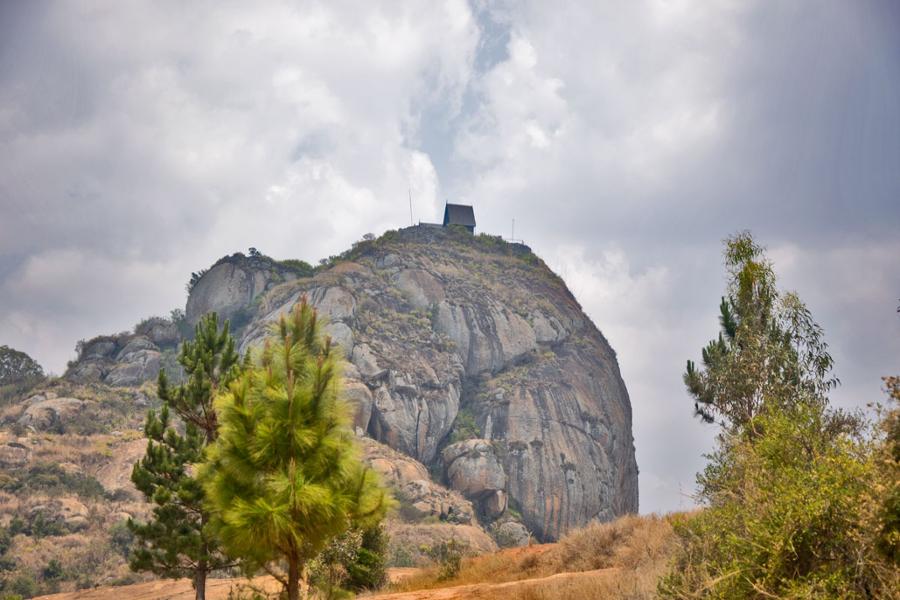
- The hill of Ambohimalaza enjoys considerable renown, as the site was the theater of the fandrona or royal bath, an event established by king Ralambo. The first cattle sacrifice also took place at this location, as did the erection of the first "tranomafana" (under the reign of the prince of Ambohimalaza known as Andrianatompokoindrindra).
- The hill of Ampandrana holds the tombs of the first Hova kings. Recall that Merina society has a hierarchy comprising the Andriana (nobility), the Hova (free men), and the Andevo (slaves). Theoretically, these monarchs (the Hova kings) do not possess royal blood.
- The sacred hill of Antongona nestled on the road to Tsiroanomandidy. The site houses a fortified palace. This construction was designed to locate any external attacks. In case of invasion, soldiers were responsible for sounding the alarm to warn the king.
- The sacred hill of Ambohimanambola contains treasures, including the Kelimalaza of Andrianampoinimerina. This is an object shaped like a V with a red color. It is kept in a casket filled with the sovereign's jewels.
- The hill of Ambohitrabiby was the territory of monarch Ralambo from 1600. It was this sovereign who authorized the consumption of zebu meat. Located 20 km north of the capital, the site houses his royal tomb as well as that of Rabiby (a famous astrologer).
- The sacred hill of Ikaloy or Kaloy is similar to that of Ambohimanga. According to historians, this site is the birthplace of Andrianampoinimerina and Ralambo.
The two sacred hills of Antsahadinta and Antongona offer an easy hiking combination, on the road to Ampefy toward the Middle West: countryside hiking in the Imerina region.
© Détours Madagascar - 04 December 2019