Biodiversity Conservation on the Island of Nosy Be
At Nosy Be, the flora and fauna are of immeasurable richness. For scientists, this Madagascar island is a true temple of nature. It is home to several endemic species, but
At Nosy Be, the flora and fauna are of immeasurable richness. For scientists, this Madagascar island is a true temple of nature. It is home to several endemic species, but currently, the island's animals are exposed to multiple threats. Conservation campaigns are more necessary than ever. Let's focus on the subject.
The Fauna of Nosy Be: An Invaluable Treasure
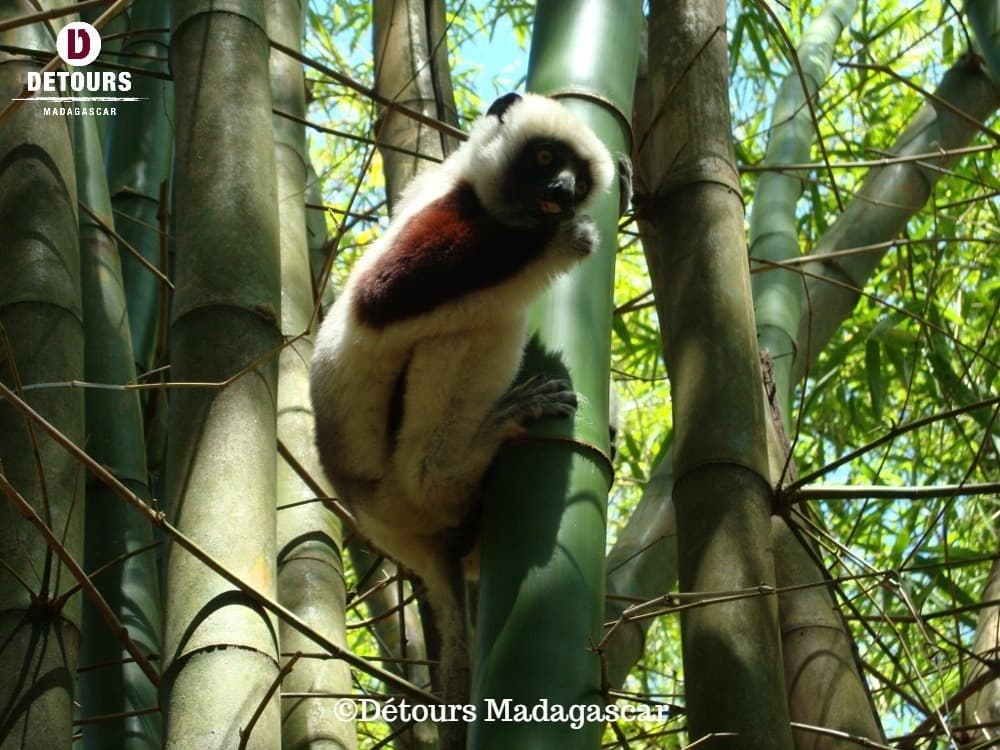
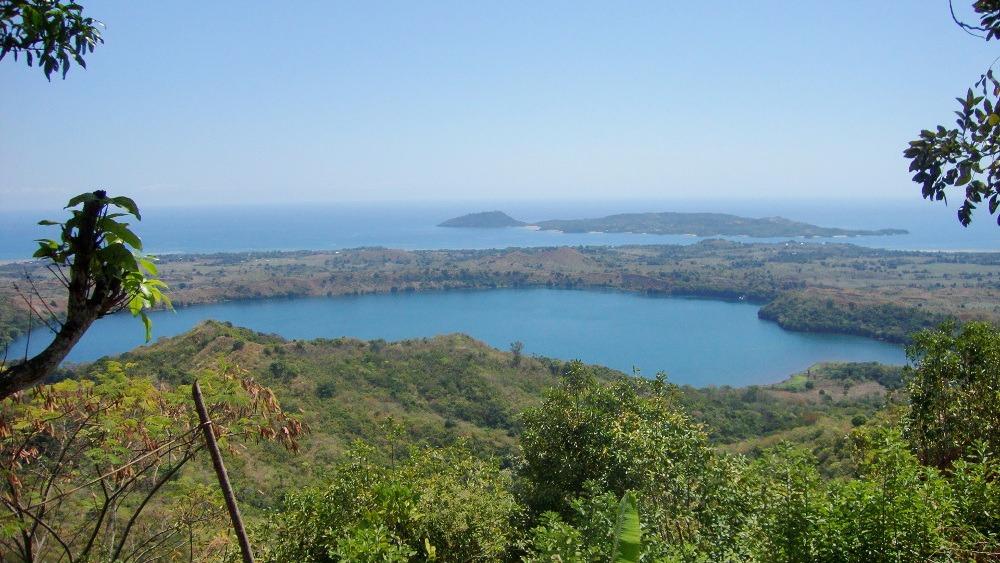
Nosy Be is a Madagascar island renowned for beach activities, particularly for diving and sailing in the Mitsio Archipelago. It covers an area of 321 km², located off the Northwest coast of the country. Throughout the territory, biodiversity is particularly abundant. The island holds approximately 20,000 plant species and over 100,000 animal species, terrestrial and marine, some of which are endemic to Madagascar. It notably contains 3 species of baobabs: the Adansonia Madagascariensis and the Andansonia Suarezensis which probably exist in their natural state on the island, and the Adansonia Digitata which had to be planted. Furthermore, butterflies, birds, lemurs, reptiles and amphibians populate the island. The zoological park "Lemuria Land" and the Lokobe Nature Reserve are a true reflection of this unsuspected wealth.
The marine environment harbors various species of fish as well as sea turtles. Further offshore, you can observe all sorts of jacks, tuna, sharks and swordfish. The waters of Nosy Be also count varieties of crustaceans: shrimp, lobsters, crabs…
Whale sharks, rays, whales, turtles, dolphins, the exceptional awaits at Nosy Be. Every year, from June to September, humpback whales arrive on the Northeast coast of the country during breeding season. Migrating in the hundreds, these marine mammals usually come to give birth. For their part, whale sharks feed in the waters of the region starting in September.
Unfortunately, these cetaceans are threatened by human carelessness. In light of this, it is essential to adopt drastic measures to ensure their protection.
Protecting Nosy Be's Fauna: A Priority
Often without realizing it, humans degrade nature. Sadly, the island's biodiversity, which is one of its main tourist assets, is severely threatened. According to some reports, 25% of Madagascar's species could go extinct if the temperature rises by 2 degrees. This could become reality by 2055 if deforestation persists. In reality, bushfires could be one of the causes of this temperature increase.
Similarly, marine populations are at great risk of disappearing if pollution continues. The discharge of waste into seawater is genuine poison for these aquatic species. The time has come for biodiversity conservation. These animals are what give the locality its fame. It is essential for their survival to take steps to better protect them.
To protect these Omura whales or whale sharks, action must be taken to safeguard biodiversity. USAID has already undertaken campaigns to establish protected marine areas. These, in addition to contributing to the preservation of biodiversity, can promote the development of Madagascar.
© Détours Madagascar - May 22, 2020