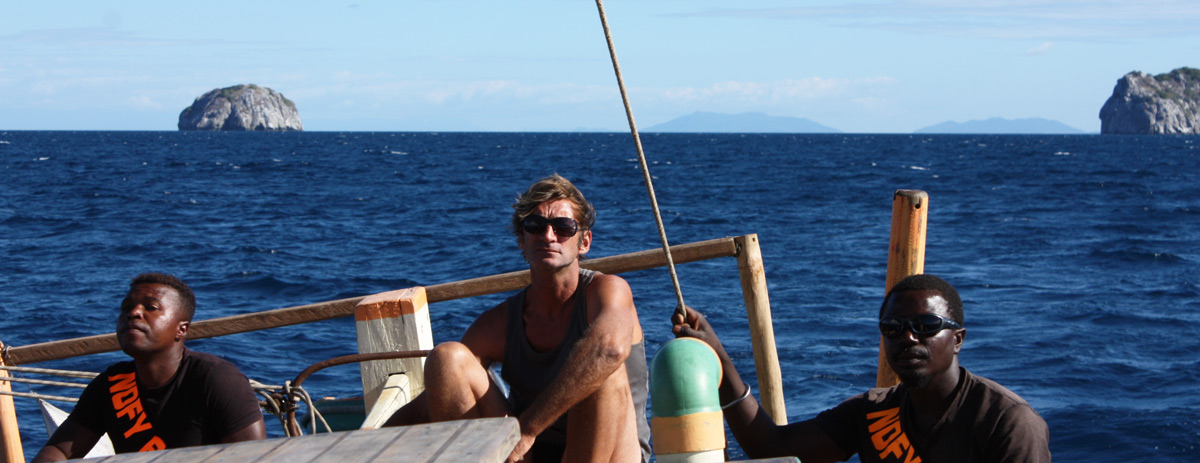
Where to Dive in Madagascar?
A true sanctuary of aquatic wildlife, the island of Madagascar is a haven for all scuba diving enthusiasts. Renowned for its numerous coral gardens, multiple fish species, and the chance to observe larger specimens (dolphins, sharks, and whales), the world's fifth-largest island has much to enchant those who love the ocean depths.
A true sanctuary of aquatic wildlife, the island of Madagascar is a haven for all scuba diving enthusiasts. Renowned for its numerous coral gardens, multiple fish species, and the chance to observe larger specimens (dolphins, sharks, and whales), the world's fifth-largest island has much to enchant those who love the ocean depths. We invite you to discover the most beautiful diving spots in Madagascar…
1. Nosy Be
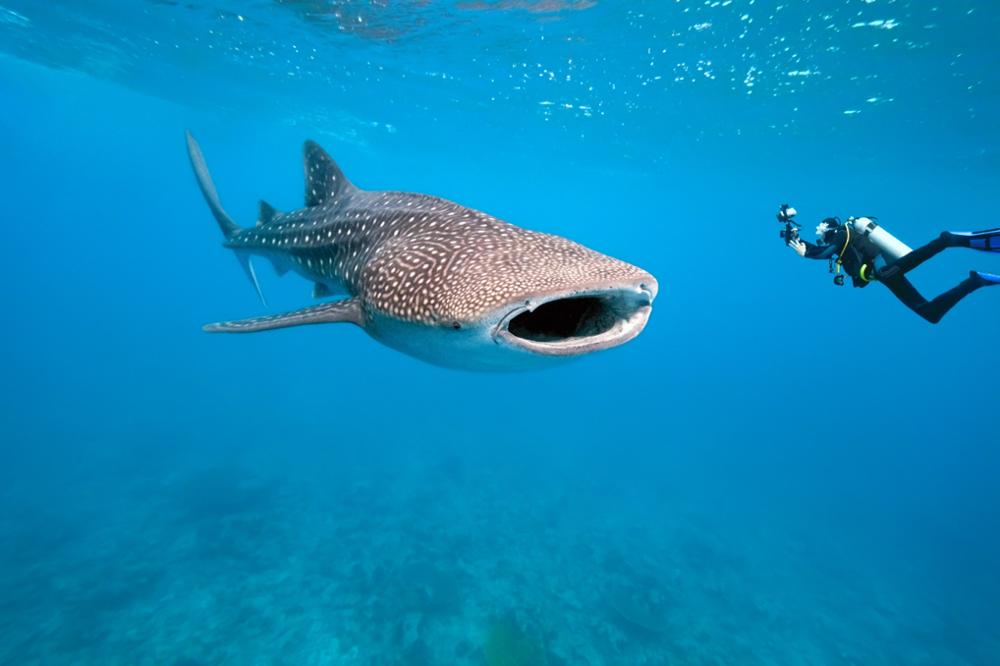
Located in the northwest of Madagascar, Nosy Be island is renowned for its pristine beaches, crystal-clear waters, and picturesque islets. But beyond its landscapes, this island—nicknamed "the isle of perfumes"—is also considered Madagascar's finest diving destination, and indeed one of the finest in the Indian Ocean! The dive sites of Nosy Be are appreciated for their variety, featuring coral beds, rocky formations, sheer drop-offs, caves, and natural arches.
At Nosy Be, you'll encounter marine life of all sizes, from jacks and tuna to scorpionfish, groupers, and nudibranchs, along with abundant reef fish, sea turtles (green and hawksbill), dolphins, sharks (reef sharks, leopard sharks, whale sharks), manta rays, and even humpback whales! You'll also discover more than 400 coral species.
Among the must-see dive spots at Nosy Be, you'll find Shark Point, Manta Point, Sakatia Arch, Gorgonian Bank, Camel Bank, Louis Bank, Rosaria Bank, and Ankora.
2. Nosy Tanikely Marine Park
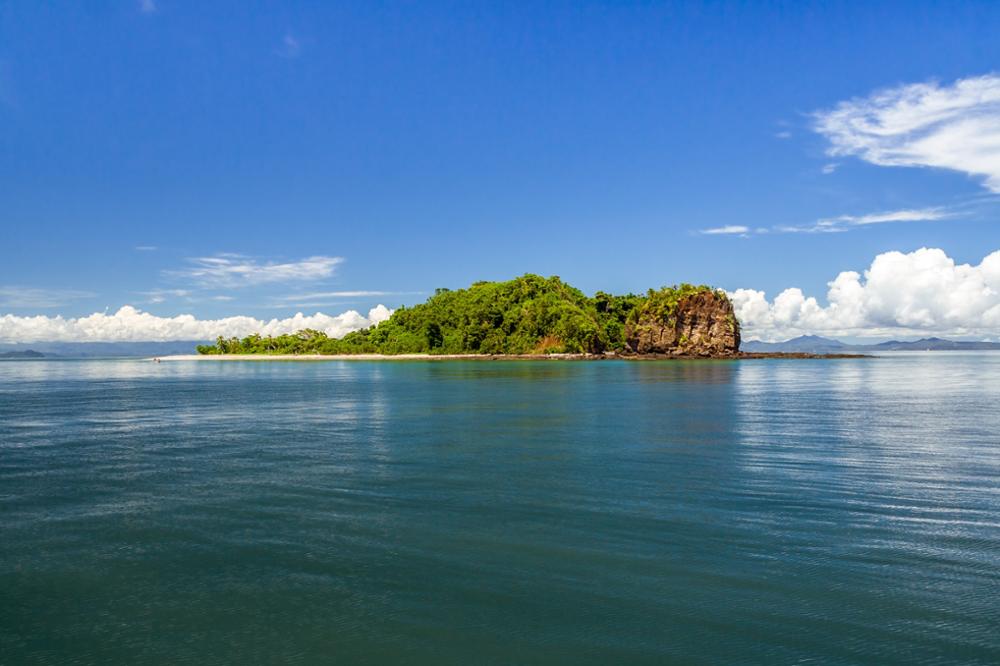
Located just 15 minutes by boat from Nosy Be, Tanikely island ranks among Madagascar's best diving sites. This reserve, designated as a marine national park, is strictly protected—fishing is prohibited. This protection has made its coral reefs home to an impressive abundance of fish and coral species.
Dubbed a "natural aquarium," the Tanikely marine park allows you to observe ghost pipefish, leafy sea dragons, clownfish, blue-spotted stingrays, butterflyfish, schools of snappers, crocodilefish, emperors, lobsters, barracudas, bonito, moray eels, as well as green sea turtles, swordfish, dolphins, leopard sharks, white-tip sharks, whale sharks, manta rays, whales, and much more!
Dives in Tanikely marine park are organized around the island: North, South, and East sides. The great news is that dives here are accessible to all levels, from beginners to experienced divers!
3. Nosy Iranja
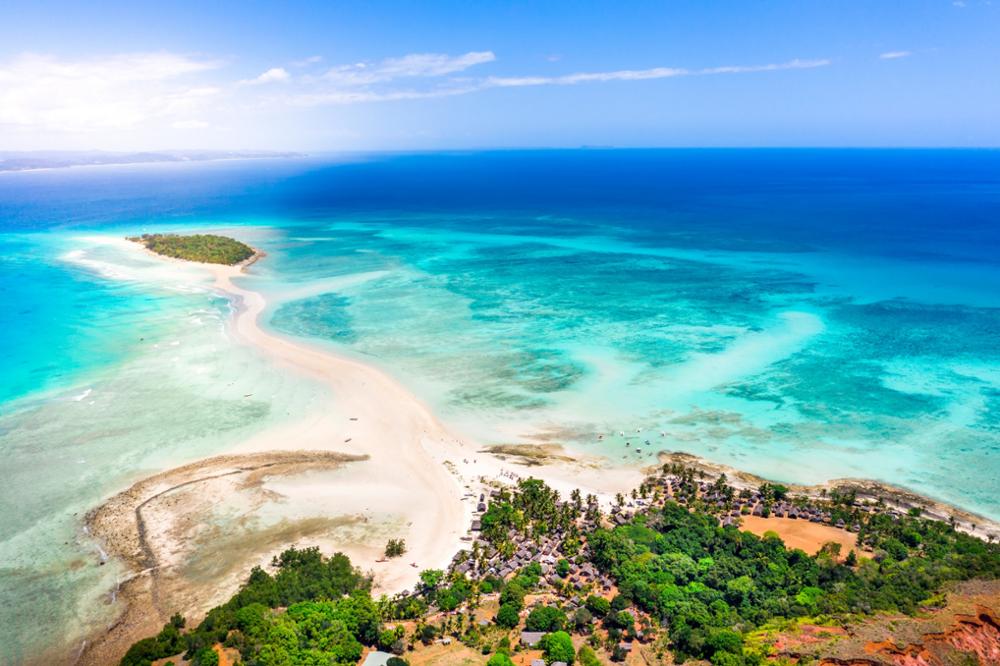
Located south of Nosy Be (approximately 1.5 hours by boat from Nosy Be), Nosy Iranja island is another dreamland for divers traveling in Madagascar! Nicknamed the "Turtle Island" due to the abundance of green sea turtles found there, the dive sites of Nosy Iranja are centered primarily along dramatic drop-offs covered with giant gorgonians, some reaching depths of over 230 feet!
Beyond turtles, you'll observe schools of humphead wrasse, fusiliers, mobula rays, schools of snappers, Napoleon wrasse, king mackerel, groupers, triggerfishes, surgeonfish, moray eels, various rays (eagle rays, stingrays), and numerous shark species (grey sharks, leopard sharks, and Carcharhinus leucas). Depending on the season, you may also encounter humpback whales (June to October).
Among the main dive spots to discover around Nosy Iranja island are Roche Gaby, Atnam, Sugarloaf, Tagada, and the arches.
4. The Radames Archipelago
Still south of Nosy Be, we highly recommend diving within the Radames Archipelago. Composed of four small coral islands (Nosy Kalakajoro, Nosy Ovy, Nosy Antany Mora, and Nosy Valhia), this is the perfect destination for a diving expedition! Much like at Nosy Iranja, the seabed features dramatic drop-offs into the Mozambique Channel.
The main dive sites of the Radames Archipelago to explore include the Nursery, where you'll discover stunning coral gardens and abundant reef fish with a strong shark presence. We also recommend the Greg Wall site, a drop-off covered in coral and teeming with fish of all kinds, leading to a cave whose entrance sits at a depth of 108 feet. Finally, don't miss the Cyclone Bank site with its numerous canyons, arches, caves, and the vertical wall of the Kalakojoro drop-off.
5. The Mitsio Archipelago
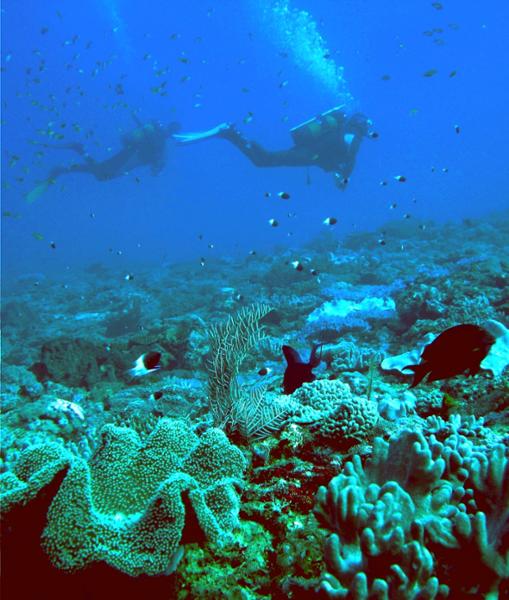
Head north of Nosy Be to discover another archipelago of remarkable beauty: the Mitsio Archipelago. Composed of five islands (Grand Mitsio, Nosy Lava, Nosy Ankarea, the Four Brothers, and Nosy Tsara Banjina), this place is equally idyllic both on land and underwater. Beyond the main islands and around the distinctive rock formations, divers of all levels will discover an exceptionally rich marine fauna and flora.
Underwater, you'll encounter all varieties of hard and soft corals (acropora tables, sponges, alcyonarians, ascidians) and a multitude of reef fish (schools of barracudas, jacks, batfish, angelfish, parrotfish, snappers, anthias, fusiliers, groupers, dog-tooth snappers, king mackerel). As for larger specimens, you may also spot mobula rays, stingrays, sea turtles, coral sharks, white-tip sharks, whale sharks (depending on season), leopard sharks, dolphins, and pilot whales.
Among the must-visit dive spots of the Mitsio Archipelago, you'll find les Tétons, the Four Brothers Bank (with its famous volcanic wall), Castor Bank, Dive Bank, the Great Organs, and Antsoha.
You too can discover the incredible underwater world of Madagascar with our Diving and Sailing in the Mitsio Archipelago expedition
Florine Dergelet