The filanjana, an ancient means of transport for Malagasy nobility
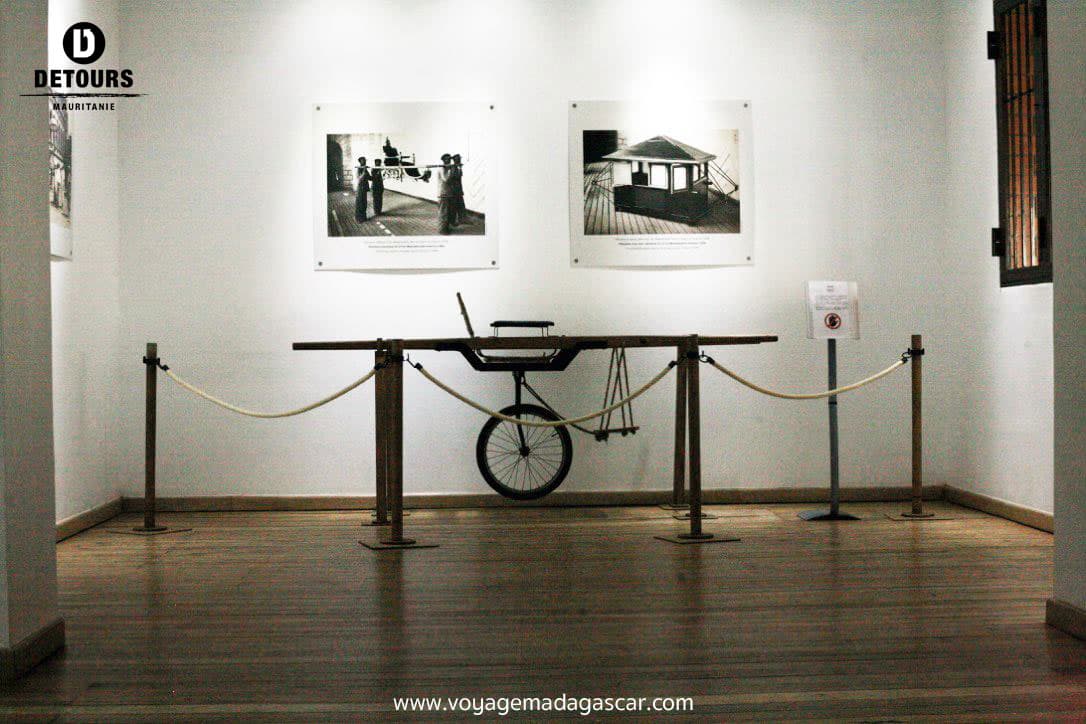
The filanjana was the primary means of transport for nobility during the era of Malagasy royalty and French colonization. It was a marker of status, nobility, and wealth, and served as an excellent mode of transportation when passable roads were still non-existent.
12 Nov. 2018The filanjana was the primary means of transport for nobility during the era of Malagasy royalty and French colonization. It served as a marker of status, nobility, and wealth, and was also an excellent means of transportation when passable roads did not yet exist.
Sedan chair, Palanquin, Filanjana
The filanjana belongs to the family of sedan chairs that already existed in ancient Egypt and during the reign of the Han dynasty (206 to 220 CE). They were used during religious festivals and official ceremonies to transport the sovereign and deities. In Madagascar, palanquins were introduced by the Zafiraminia, a group of Muslim colonists who arrived on the island in the 12th or 13th century from the southeastern coast. The filanjana consists of a narrow seat covered in leather and fitted with two long poles. Its use was reserved for members of the royal family, military commanders, notables, and the judicial elite. Examples can be seen at the Photography Museum (Anjoy – Antananarivo) in a photo series on "A Brief History of Transport in Madagascar: from the 'filanjana' to the hydrofoil." This exhibition was on display until April 2019.
The borizano: filanjana bearers
There were two types of bearers, known as borizano (bourjanes) or maromita, namely those specialized in transporting passengers (mpilanja) and those hired to carry goods (mpaka entana or mpitondra entana). These were vigorous and young men destined for this profession. They took pride in their work despite its hardships and dangers, and always regretted leaving their posts. They were naturally cheerful and good-natured, making it their business to never allow the occupant to descend from their chair, regardless of how difficult the path became. They wore an akanjo (woven fiber shirt) over their loincloth, a lamba (white cloth) wrapped around their waist. For long journeys, they would stow a spoon, provisions, and a change of clothing in a pocket behind the akanjo. They wore a hat that served them both as a plate and water filter. Then came the essential accessories for the road: a rosary strung with amulets for protection against numerous dangers, notably crocodiles. (The Malagasy Panama Hat, Christine Ranarivelo – Éditions Harmattan)
An adapted means of transport
Before French colonization, the Merina monarchs deliberately closed roads between the highlands and the coast, in order to prevent French and English invasion. The existing trails were difficult to navigate and shifted with rainfall, changes in watercourses, and other weather-related hazards. In the complete absence of passable roads, the filanjana was the supreme means of transportation.
Culture and TraditionHistoryTourismTips and TricksCharlène NomadaysEarly SEO copywriter at Nomadays who became content manager and head of communications, Charlène has accompanied the adventure from its inception with passion and loyalty. After spending seven years in Asia—from China to Thailand, passing through Mongolia and South Korea—she has made travel a way of being in the world. A lover of words, nature, and meaningful encounters, she strives to convey in her writing a sensitive, engaged, and responsible vision of tourism. For her, each article is a bridge between curiosity, respect, and wonder.