The Makay Massif, Madagascar's New Protected Area
The Makay massif is a biodiversity sanctuary, a marginal and exclusive destination.
The Makay massif is a biodiversity sanctuary, a marginal and exclusive destination.
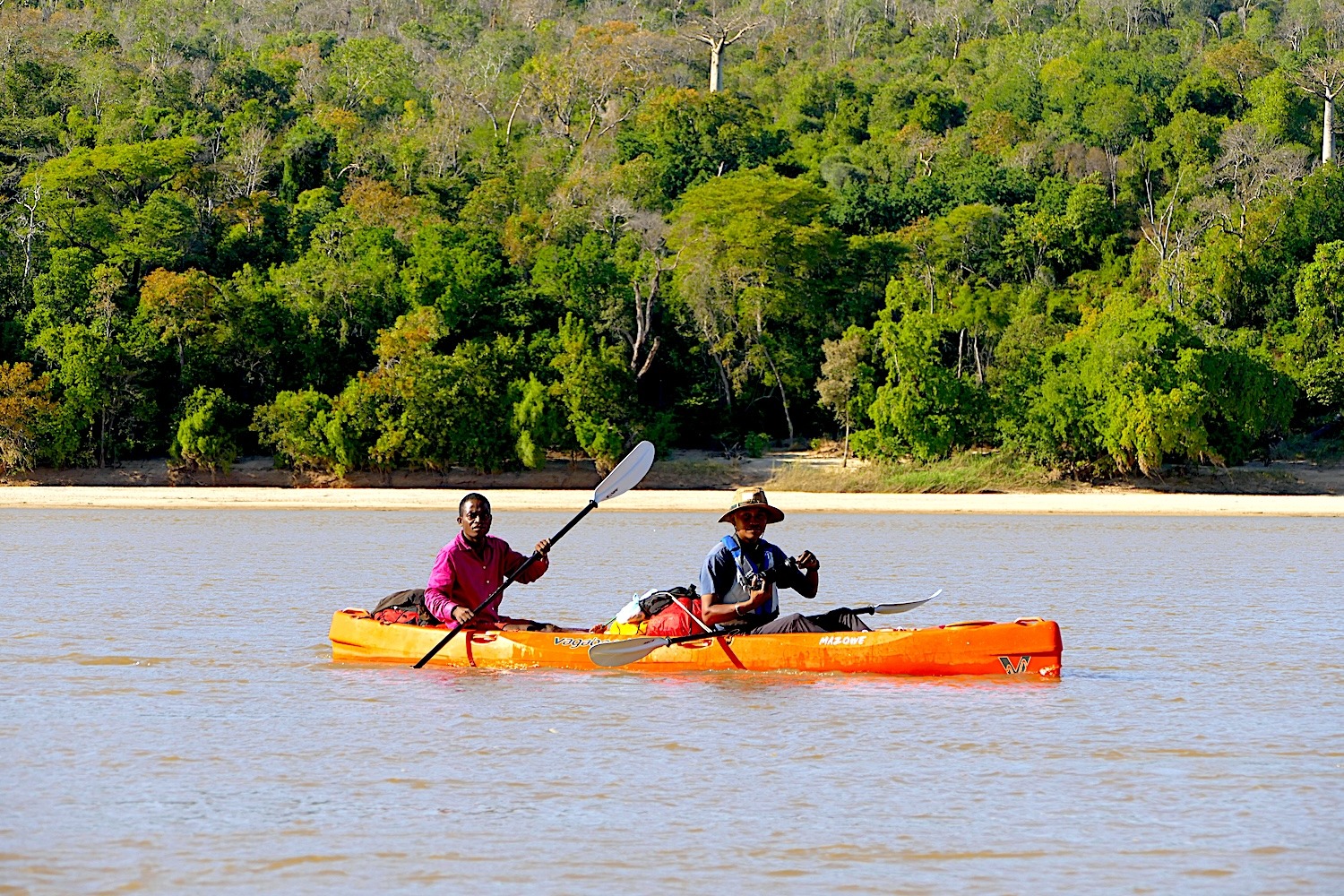
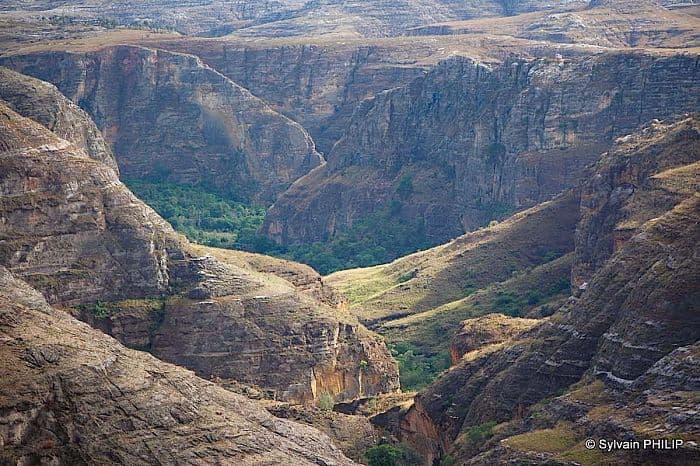
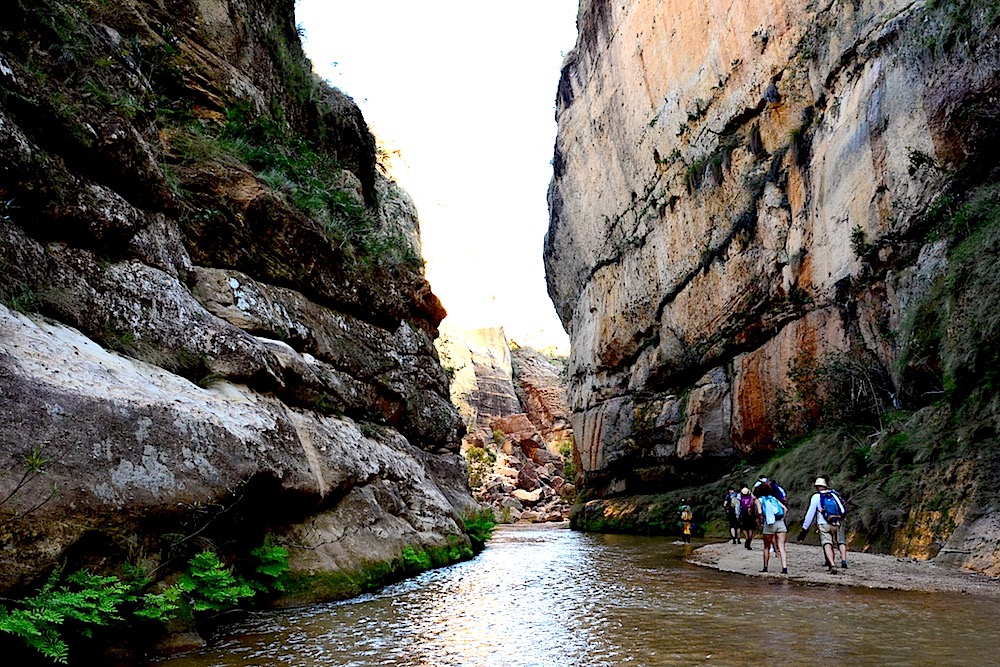
The Makay is a sedimentary mountain barrier in south-western Madagascar. The plateaus stretch across nearly 175 km in length, between the Tsiribihina River to the north and the Mangoky River to the south, north of the sandstone massif of Isalo. Its distinctive geography is characterized by sandstone plateaus of ruiniform appearance carved by deep canyons, which gives it a deeply impenetrable character. Built like a natural fortress, the Makay preserves a singular biotope and the richness of its flora and fauna is exceptional.
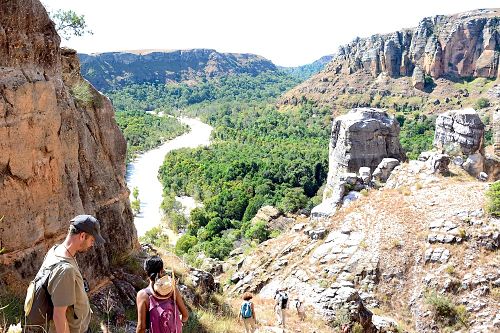
Visiting the Makay is a privilege earned. Tourism development in this massif is and will remain exclusive. Certainly, the appeal of this biodiversity treasure with its spectacular landscapes generates considerable interest among travelers, nature advocates, the media, and opportunists alike. Yet the facts speak clearly: in 2016, just under 1,000 people approached the massif, and the average stay duration was 3 days. Difficult access, the absence of accommodation infrastructure, and the necessity to travel on foot to reach the main sites mean that the Makay protects itself through its isolation and relative physical challenge.
NaturEvolution Madagascar, Official Manager
The Makay massif was designated a New Protected Area in 2015 by inter-ministerial decree, and the NaturEvolution Madagascar association was mandated by the Malagasy government to ensure its management and conservation according to precise specifications. The Makay New Protected Area is managed with a focus on sustainable valorization, notably through:
- The development of economic activities compatible with conservation objectives, with a participatory approach involving local populations and communities;
- The development of sustainable and lasting tourism, respectful of natural and cultural resources.
This specific tourism approach must generate economic benefits at the local level. Conscious of the region's numerous environmental, tourism, and economic assets, NaturEvolution and its partners work together to support ecotourism development projects and advance the implementation of this form of responsible tourism.
Code of Conduct
On 23 June 2017, Détours Madagascar and all stakeholders concerned with protecting the Makay massif came together with NaturEvolution Madagascar to take stock of the major guiding principles defining an inclusive approach to protecting and managing this biodiversity reservoir. From these meetings, we are developing together, at NaturEvolution's initiative, a code of conduct for all stakeholders, travelers, and tourism professionals. All our experiences, recommendations, and past lessons should enable us to establish effective, lasting, and balanced collaboration. All concerned parties must feel included and considered in this integrated and participatory management process.
The core interests of conservation actors, tourism operators, and local populations and communities must, starting now and for the long term, align their efforts to design a sustainable valorization model for the Makay massif. The Code's fundamental objectives are to increase awareness and sense of responsibility as well as improve sustainable tourism development and management.
For all these reasons, given our passion for these unique places, the Détours Madagascar team is deeply committed to this kind of intelligent and responsible development and supports the creation process of the Makay New Protected Area and its implementation. At this meeting, the goal was to discuss the code of conduct project presented by NaturEvolution in a responsible manner. This sparked many constructive debates. Critical points concerned human resources (guides, porters, rangers), entry fees, and sensitive sites with acceptable carrying capacity parameters that won't harm ecological balance. We also addressed issues related to unofficial guides, agencies, and car rentals that completely escape the established framework and professional standards. Following extensive deliberations on the text, it was agreed that this code of conduct project would naturally evolve based on field realities and experience. Tour operators will contribute additional insights to this discussion to find a solution that works for all stakeholders.
Learn more: NaturEvolution: https://www.naturevolution.org Makay: http://www.makay.org