The East Coast and the Indian Ocean
The east coast boasts lush vegetation where tropical forests, traveler's palms, coconut palms and banana trees intermingle. From north to south of Madagascar, between the Highlands and the Indian Ocean, it presents a
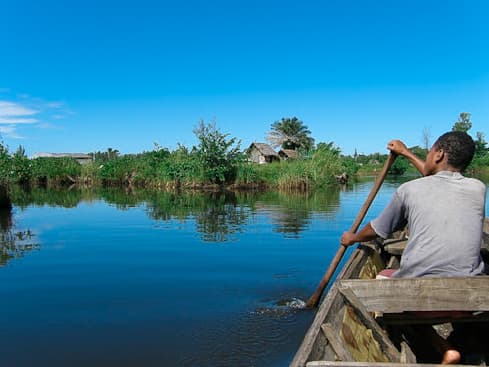
The east coast boasts lush vegetation where tropical forests, traveler's palms, coconut palms and banana trees intermingle. From north to south of Madagascar, between the Highlands and the Indian Ocean, it presents remarkable diversity: the coastline is bordered by low, jagged hills and dense forests. The coast is dotted with fishing villages and harbours true pockets of paradise such as Sainte-Marie (Nosy Boraha). Inland, a chain of marshes, lagoons and canals (Canal des Pangalanes) spreads out, and further inland lies a realm of forests (Andasibe-Mantadia National Park). In the high hills, Madagascar vanilla, arabica coffee and fragrant clove find the optimal temperature and humidity conditions to thrive. Heavily swept by trade winds, the best season to visit the eastern coast is October/November or April/May.
A wealth of exotic fruits
When stepping foot on Madagascar's east coast for the first time, the European traveller is immediately struck by the abundance of tropical fruits. Juicy and sweet lychees, golden-orange mangoes, succulent pineapples, the cherimoya imported from the Caribbean, the divine soursop with its delectable flavour hidden beneath a spiky exterior, not forgetting the banana, the country's national fruit. You'll delight in the array of fresh juices offered by hotels and local eateries in Moramanga, where bus lines connecting the capital to Toamasina, the main city of the East, typically stop.
Leisure and languid living, in the land of moramora
This fruit production results from the continuous rainfall that brings both hardship and prosperity to the islanders. Sometimes it rains beneath a clear, sunny sky. Light drizzles dissipating heat, late afternoon downpours or floods devastating entire harvests—the dictate of rains is merciless. The Betsimisaraka people likely owe their carefree spirit to this disconcerting climate. A propensity for leisure, love of easy gain and hot blood characterise this ethnic group. Young people mostly think of making quick money rather than pursuing higher education. The tropical climate also results in incredible vegetative abundance and original architectural styles. Rustic falafa houses impart strong visual unity to east coast villages: Foulpointe or Mahavelona, once the favourite retreat of the French; Mahambo, whose well-formed waves attract surfers; Mahanoro, a pleasant stop during a Canal des Pangalanes descent; and Mananjary, where inhabitants are born, marry and die beneath cinnamon and clove plantations. The alignment of fishermen's houses topped with dried banana leaves or traveler's palm fronds creates an enchanting tableau. Behind luxury beachfront hotels stretch landscapes of mangrove and lagoons harbouring astounding aquatic life.
Recommended destinations
Toamasina, heart of Betsimisaraka country
In a rickshaw or sprawled on the beach, arms dripping with breadfruit or lychee juice, this is how we picture a journey to Toamasina. The port city has retained historical remnants from before French colonisation: the Port Museum, the University Museum, Fort Manda, and more. Magnificent, the coastal façade is nonetheless dangerous. Better to admire it from a distance. Sharks and barracudas prowl the waters.
Foulpointe
Some 60 km on the outskirts of Toamasina, Foulpointe presents itself both as a family holiday destination and an active diving centre. Its seabeds teem with starfish, anemones, sea urchins and vibrant corals. In recent years, the resort has elevated its standing by promoting golf tourism.
Sainte-Marie, the most wild
White sandy stretches, hidden coves, secret waterfalls, natural pools with crystalline waters… The island of Sainte-Marie, also known as Nosy Boraha, was once a pirate's retreat. These sea brigands came to seek redemption after long lives of violence and excess. Now it's your turn to savour the sweetness of island life on Sainte-Marie. The whale festival animates the beach each July. Year-round, boat excursions are offered to discover stunning sites: Île aux nattes, the pirates' tomb, Ampanihy Bay with its labyrinth of mangroves... Peace and serenity are guaranteed on this island that has fortunately escaped tourism's potentates.
Andasibe National Park
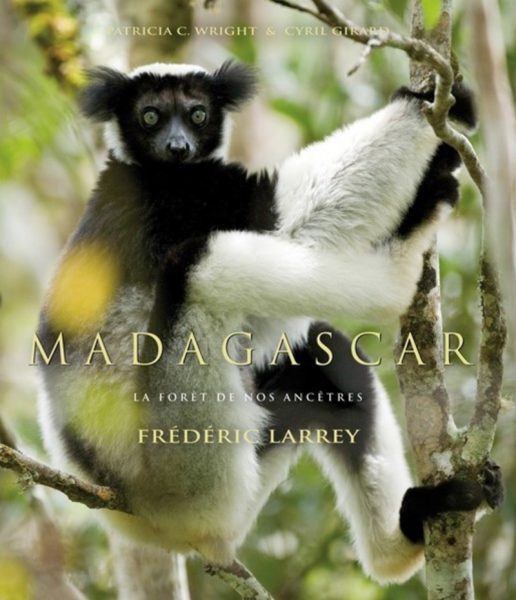
It's impossible to explore Madagascar's east coast without taking a detour to the marvellous Andasibe-Mantadia National Park. It's akin to travelling through southern France and bypassing the Calanques. The light footprint of human activities explains the density of Andasibe's primary forests and the considerable number of resident species, whose endemism is matched only by their diversity. Lemurs, chameleons, orchids, tree ferns and birds of every kind await discovery in the park. The star species is undoubtedly the indri indri (babakoto in Malagasy). It stands 70 cm tall and sometimes weighs up to 7 kg. It is the largest lemur on the Great Island.
Leaving Andasibe, rent a canoe to access Vakona Reserve, a private animal sanctuary. You'll observe lemurs, crocodiles and fosa (a carnivorous mammal) in their natural habitat. Between horse riding, pirogue excursions and forest treks, Vakona Reserve stands as a jewel of Malagasy ecotourism.
Canal des Pangalanes, a prestigious excursion destination
To complete your journey along the east coast, a river excursion on the Canal des Pangalanes is essential. It begins at Foulpointe and ends at Farafangana. The coming and going of colourful barges and boats is an attraction in itself. At times, your boat will pass delicate wooden vessels carrying agricultural goods bound for neighbouring towns. The cruise introduces you to the survival strategies of local fishermen: shrimp farming, sea cucumber processing, the use of medicinal plants encountered along the way, children's games on the riverbank and the warm greetings of sailors will provide endless moments of joy and curiosity.