The Queen's Palace
The Queen's Palace
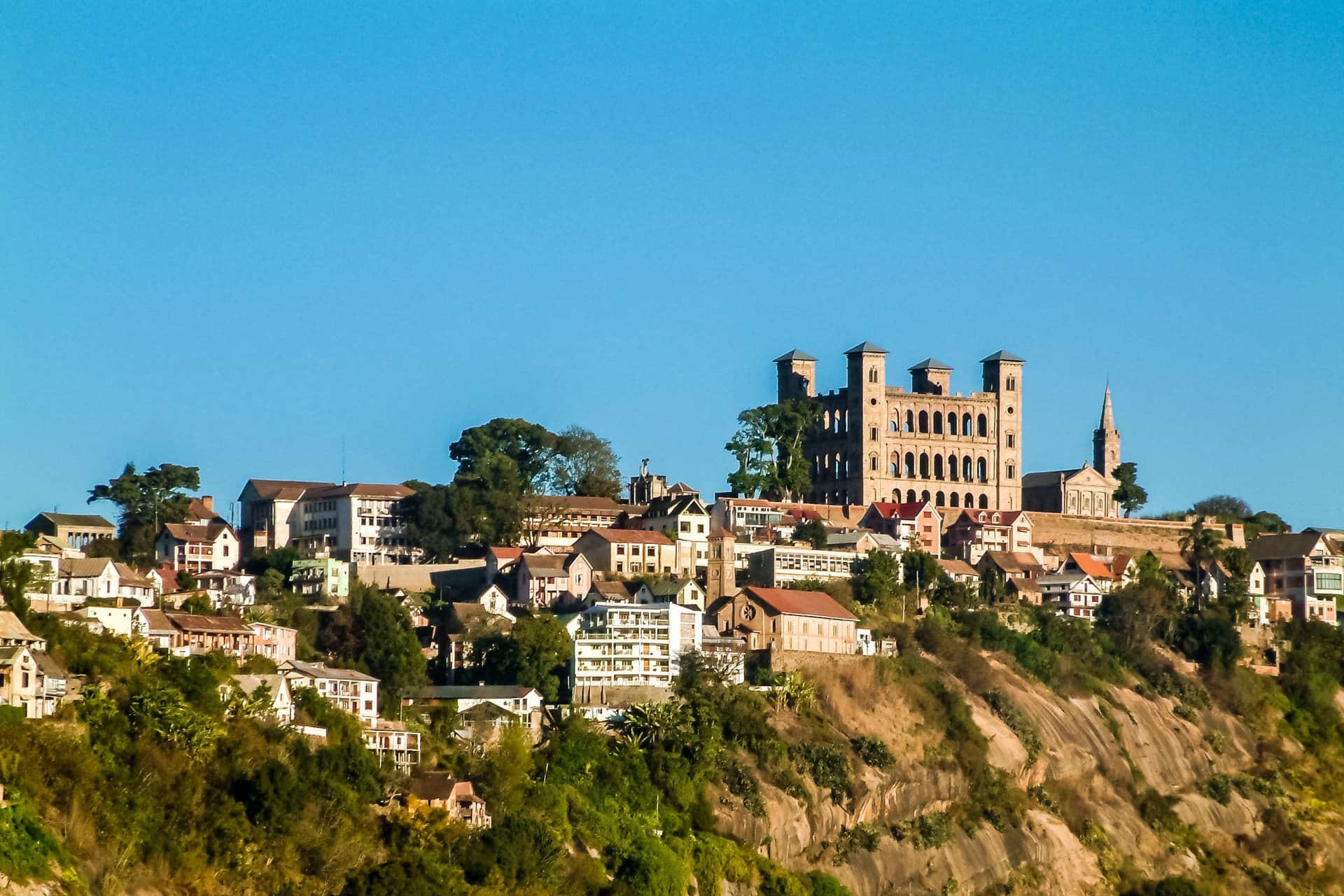
Perched on Analamanga hill, the Rovan'i Manjakamiadana spans four centuries of Merina history. Reopened in 2023, it offers a four-story museum experience.
Atop Analamanga hill, the Queen's Palace, or Rovan'i Manjakamiadana, has overlooked Antananarivo for more than four centuries. Once the seat of the Merina kingdom, the complex reopened its doors in June 2023 following extensive restoration after the 1995 fire. It brings together palaces, royal tombs and ceremonial buildings, and now offers a four-story museum journey dedicated to Madagascar's monarchical history.
Why Visit the Queen's Palace
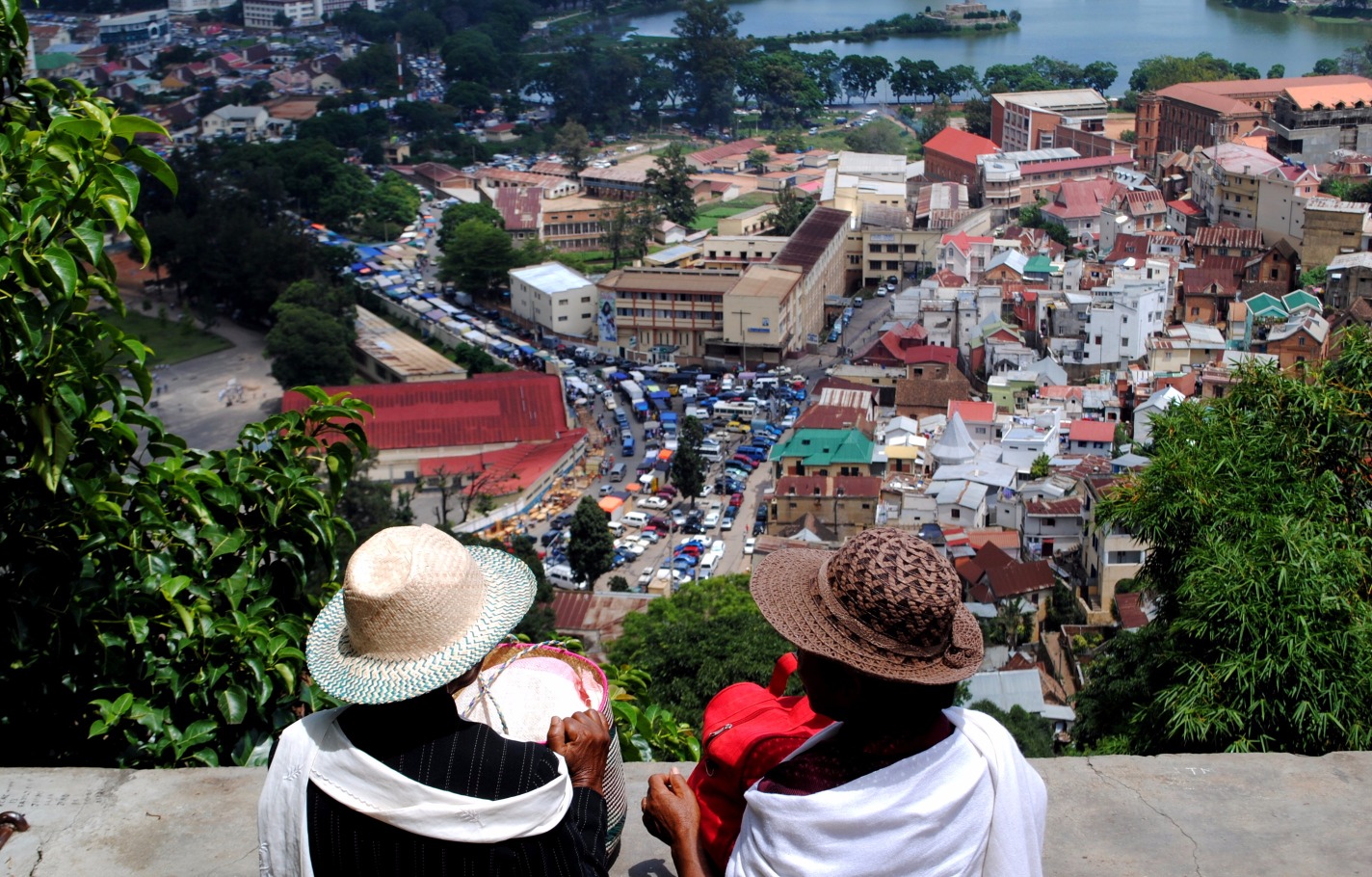
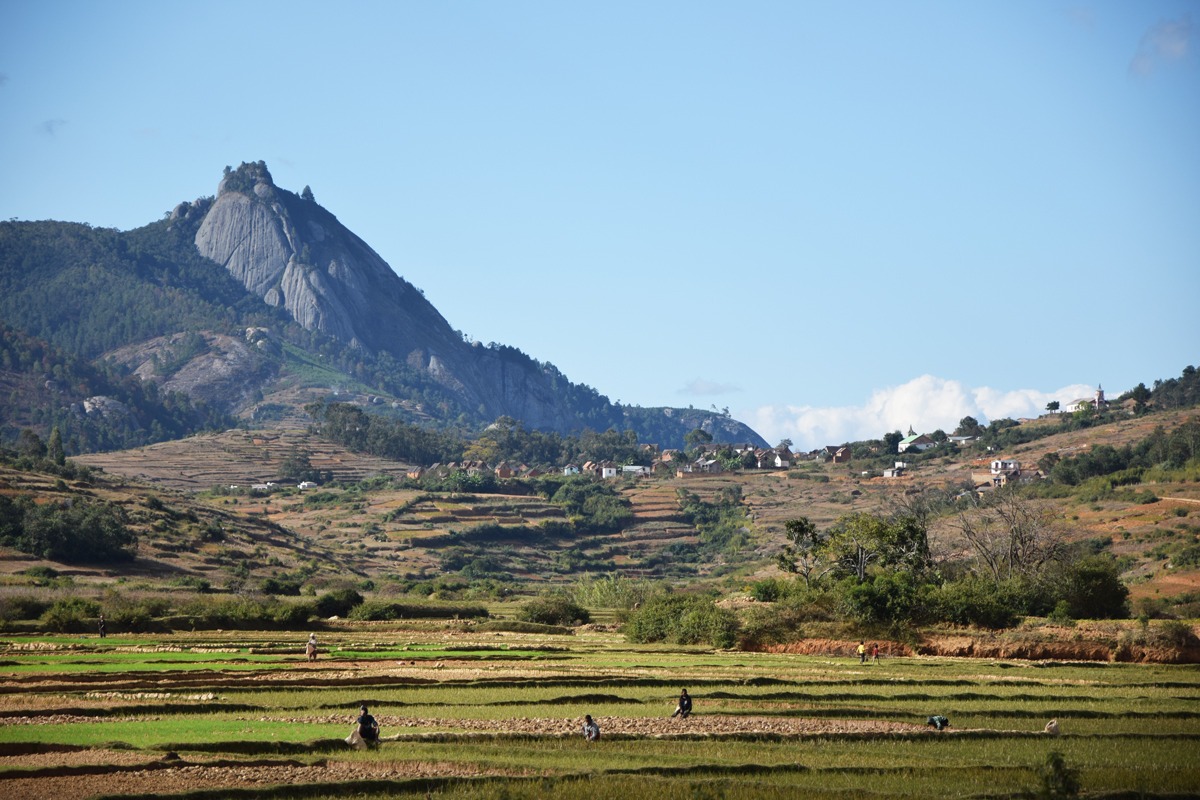
The Rova remains the major historical site of Antananarivo and one of Madagascar's most important repositories of collective memory. Visible from nearly every district of the capital, it concentrates Merina royal architecture, the sovereigns' tombs, and a modern museum under a single roof. The visit provides a coherent narrative of the island's unification in the 19th century, successive dynasties, and the upheavals brought by colonization. The panorama over the lower city, surrounding rice paddies, and Lake Anosy adds a landscape dimension to its historical significance.
History of the Rova
The site's origins trace back to the early 17th century, when King Andrianjaka erected the first fortifications on Analamanga hill. Over successive reigns, the Rova became the political and spiritual heart of the Merina kingdom, then of unified Madagascar.
The Manjakamiadana palace was built in wood between 1839 and 1841 for Queen Ranavalona I. In 1867, under Ranavalona II, Scottish architect James Cameron wrapped it in a stone envelope, giving it its present silhouette. Around the main palace stood royal residences, a Protestant chapel, and the royal tombs.
In November 1995, a fire destroyed much of the complex. National and international mobilization that followed enabled gradual reconstruction of the palace envelope, tombs, and several ancillary buildings. The site reopened to the public in June 2023.
What to See
The Manjakamiadana Palace and Museum Tour
The central building features restored floors in padauk and rosewood, precious timber characteristic of royal architecture. The museum tour unfolds across four stories:
- First floor: model of the Rova and archaeological artifacts discovered on the site.
- Second floor: portraits of sovereigns, thrones, and personal belongings.
- Third floor: holographic projections dedicated to the 1995 fire and major moments in Madagascar's history.
- Fourth floor: archives and documents on the monarchy and the nation's political evolution.
Ancillary Buildings
- Tranovola ("House of Silver"): a multi-story mansion associated with King Radama I's residence.
- Manampisoa ("Excess of Beauty"): built for Queen Rasoherina, now dedicated to the royal family.
- Besakana: a royal structure used for coronations and funeral vigils.
- Mahitsielafanjaka: residence of Andrianampoinimerina and his twelve wives, preserving personal objects and royal fetishes.
- Tranofitomiandalana: complex housing the tombs of seven Merina sovereigns, relocated to the east of the site.
Tombs and Symbols
The royal burials are distinguished by precise color coding: grey stones for kings, red stones for queens. The main tomb houses the ashes of Andrianampoinimerina and Radama I, two founding figures of the Malagasy state. According to local custom, it is forbidden to point a finger at the tombs or palace; an open-hand gesture is preferred instead.
Surrounding the Rova
The renovated garden preserves symbolic traces of destroyed buildings. Adjacent to it, a modern theatre inspired by the Colosseum was added during restoration work: its presence on a royal site continues to spark debate among Antananarivo residents.
Practical Information
- Visit duration: allow 2 hours to explore the palace, ancillary buildings, and gardens.
- Hours: open during daytime hours, generally closed on Tuesdays. Hours may vary; check on site or with your guide.
- Fees: modest entrance fee, with a reduced option for outdoor and garden access only. Prices in ariary, payable in cash.
- Photography: permitted outdoors, forbidden in the main palace rooms.
- Dress code: wear comfortable shoes; the paved floors and staircases are numerous.
When to Visit
Antananarivo sits on the highlands at approximately 1,280 meters elevation. The climate remains cool year-round, with two distinct seasons: a dry season from April to October, cooler but bright, ideal for visiting the Rova and enjoying views over the city; a rainy season from November to March, warmer but marked by afternoon showers. Early mornings during the dry season typically offer the best visibility over the capital from the hill.
How to Get There
The Rova is located in Antananarivo's Upper City, accessible via steep paved streets. From Ivato International Airport, allow 30 to 40 minutes by taxi depending on traffic, which is often heavy in late afternoon. A car with driver remains the most practical solution for combining a visit to the palace with other capital sites. Public urban transport is poorly suited for passing travelers.
Nearby Attractions
A visit to the Rova naturally extends to two sites situated minutes away:
- Andohalo Cathedral: a Catholic church perched on a ridge in the Upper City at approximately 750 meters elevation, noteworthy for its architecture and viewpoint.
- Andafiavaratra Palace: former residence of Prime Minister Rainilaiarivony, now a museum. It houses a large collection of royal objects recovered after the 1995 fire.
To extend your stay beyond the capital, you can visit Lemurs' Park an hour's drive away, the Andringitra massif to the south, or the Zafimaniry region renowned for its woodcraft.
Frequently Asked Questions
Frequently asked questions
The main taboo (fady) is not to point a finger at the royal tombs or palace. Use an open hand to indicate a building. It is also considerate to adopt a discreet demeanor near the tombs.
Photography is allowed in the gardens and around the palace grounds, but forbidden inside the Manjakamiadana rooms, where royal objects and archives are displayed.
There is no official combination ticket, but many visitors link the Rova with Andafiavaratra Palace and Andohalo Cathedral, all located in the Upper City and within walking distance of one another.
An English-speaking guide is highly recommended. Explanatory signage remains brief, and the site's rich history—particularly the genealogy of the Merina sovereigns—truly comes alive with an expert companion.
Planning Your Trip
The Queen's Palace stands as one of the key stops on a Madagascar visit. To integrate it into an itinerary combining highlands, national parks, and coastal areas, explore our Madagascar travel suggestions.

Interested in this visit?
We can include it in your personalised itinerary.