Microcebus: A Tiny Marvel of Nature!
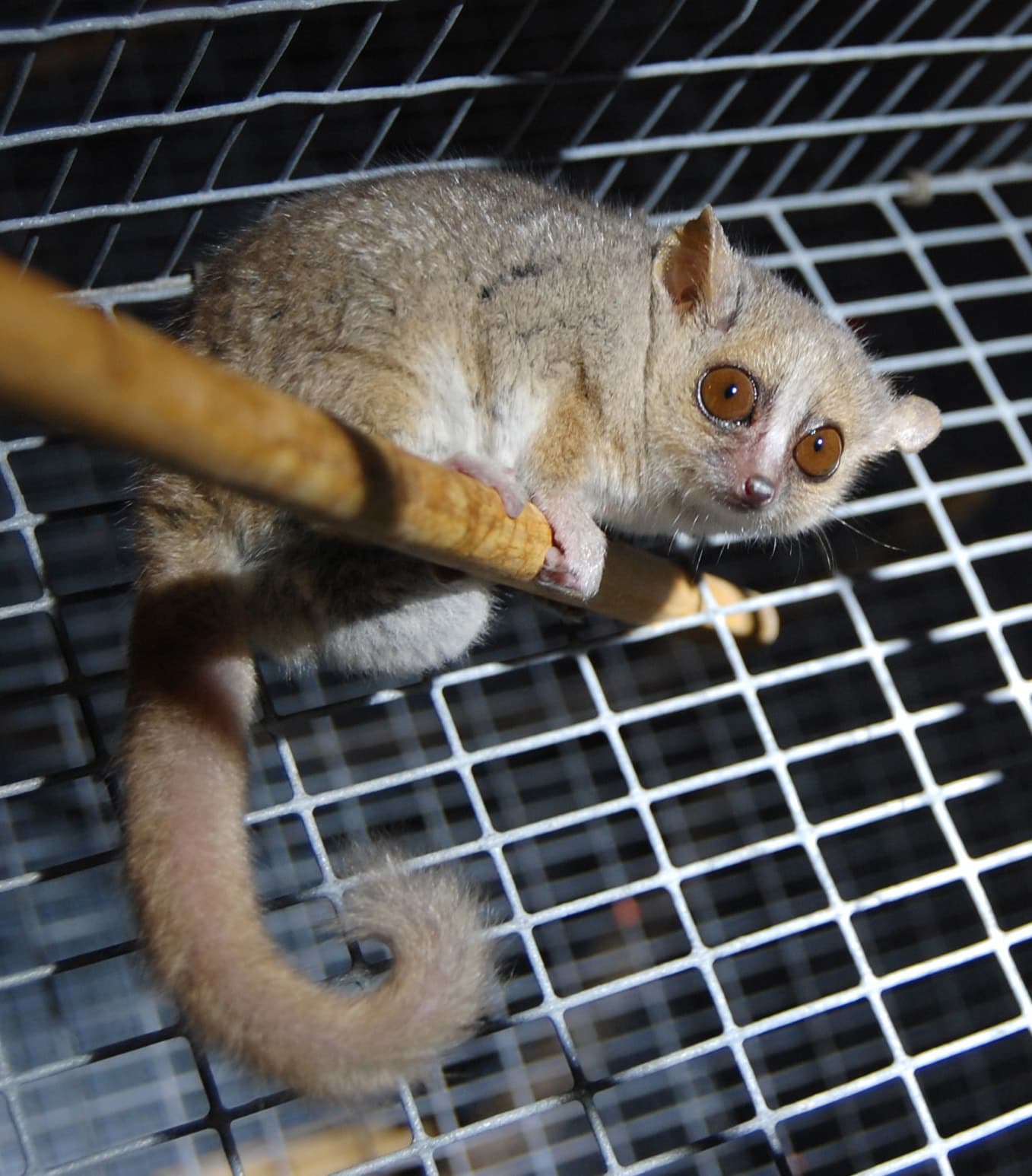
Microcebus, of the genus microcebus, encompasses the smallest species of lemurs in the world and therefore the smallest primates on Earth as well. They measure approximately 12 cm and are equipped with a tail of nearly 15 cm.
Microcebus, of the genus microcebus, encompasses the smallest species of lemurs in the world and therefore the smallest primates on Earth as well. They measure approximately 12 cm and are equipped with a tail of nearly 15 cm.
These animals are so challenging to observe (difficult to spot in the forest) and study that new species are still being discovered. Their biological and genetic peculiarities continue to astonish researchers, and they could well hold the key to exciting scientific breakthroughs!
These tiny lemurs are, however, facing extinction as their habitat gradually deteriorates due to human activity. Let's become acquainted with this little marvel of nature, endemic to Madagascar!
A primate the size of a mouse!
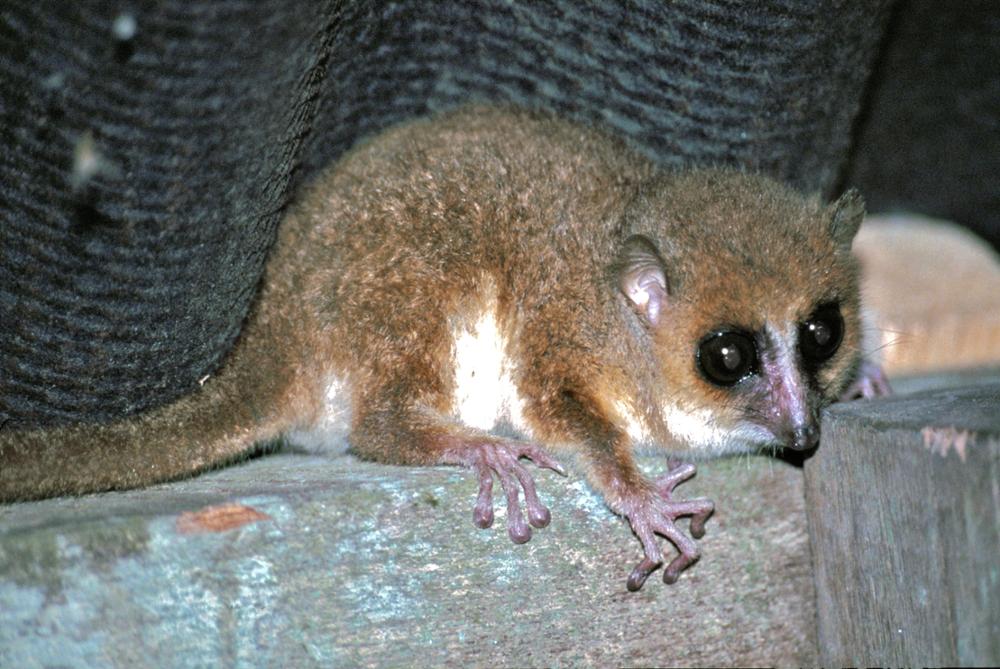
Microcebus weigh no more than 90 grams and are roughly the size of a large mouse. They have large eyes whose retinas are hypersensitive. Their ears (size varying by species) are also extremely sensitive, allowing them to hear prey several meters away. Their prey consists of insects, but these "microprimates" also feed on fruits, nectar, and honey. They are solitary feeders!
They are nocturnal animals, which makes their observation even more difficult. During the day, they sleep in small groups (males sleep alone) in tree hollows or leaf nests. These groups typically consist of around 15 individuals within an area of 700 m² to 2 hectares.
Microcebus mark their territory by urinating on their hands and feet, leaving their scent as they move about. The breeding period occurs between September and October, with young (2 to 4 per female) born in November or December after 59 to 62 days of gestation. Males are rarely aggressive except when in captivity.
What is most remarkable is that they are primates despite their tiny size! Scientists study them for discoveries that could be applied to humans. Microcebus can notably enter a state of "torpor," a form of dormancy.
A primate that hibernates (sort of)!
These little lemurs have fat tails, a way of storing energy and drawing upon it during periods of food scarcity related to seasonal changes, particularly in winter (the dry season in Madagascar). However, they do not truly hibernate, as they do not remain in this state long enough.
They curl into a ball and slow their metabolism (reducing their body temperature to a minimum of 7°C) to conserve energy. They can voluntarily raise their body temperature back to normal at any time to go out and search for food.
The dormancy period depends on the habitat and sex of the animal. Females notably experience several weeks up to 5 months of torpor in Kirindy Forest (southwestern Madagascar). Males never sleep for more than a few days and always wake before females to establish hierarchy.
Species yet to be discovered?
The most common microcebus species are the gray-brown mouse lemur – Microcebus griseorufus (in the dry deciduous forests of the north and west and spiny bushes of the south) and the rufous mouse lemur – Microcebus rufus (in the humid and dense eastern forest).
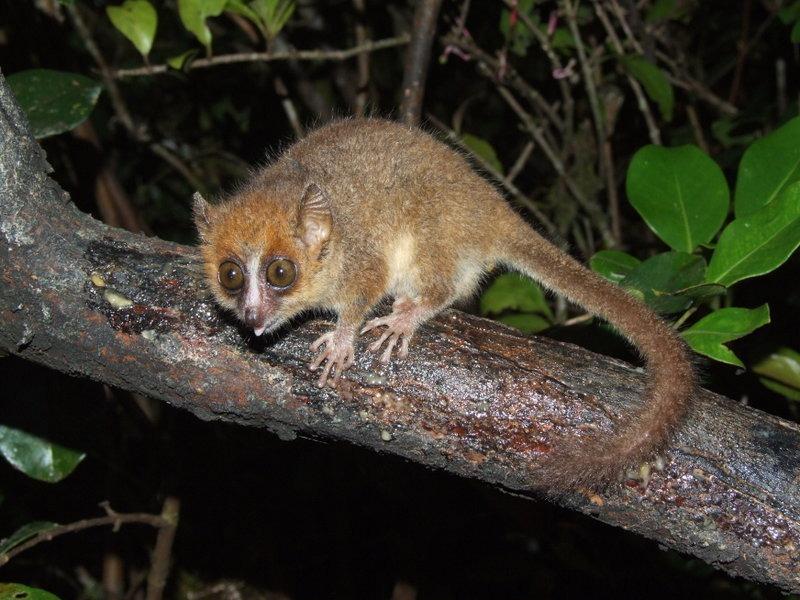
The genus microcebus comprises 24 species, with the most well-known distributed as follows!
In northwestern Madagascar:
- Danfoss's mouse lemur – Microcebus danfossi
- Bongolava mouse lemur – Microcebus bongolavensis
- Lokobe mouse lemur – Microcebus lokobensis (Lokobe Reserve)
- Pale mouse lemur – Microcebus mamiratra (Lokobe Reserve)
- Ravelobe mouse lemur – Microcebus ravelobensis (forest near Lake Ravelobe)
- Northern rufous mouse lemur – Microcebus tavaratra (Ankarana Special Reserve)
In the northeast and east:
- Mittermeier's mouse lemur – Microcebus mittermeieri
- Sambirano mouse lemur – Microcebus sambiranensis
- Simmons's mouse lemur – Microcebus simmonsi
- Microcebus lehilahytsara (Andasibe-Mantadia National Park)
In the south:
- Jolly's mouse lemur – Microcebus jollyae
- Madame Berthe's mouse lemur – Microcebus berthae (Kirindy Forest)
Three new species were discovered in 2016:
- Ganzhorn's mouse lemur – Microcebus ganzhorni, discovered in southeastern Madagascar
- Manitatra mouse lemur, from western Madagascar
- Boraha mouse lemur, named after the island of origin of the animal, Sainte-Marie or Nosy Boraha in Malagasy
An endangered species or not?
The main predators of microcebus are birds of prey and large snakes, but this is entirely natural. The small lemurs will survive unless humans completely destroy their habitat.
Microcebus gerpi is notably a critically endangered species in eastern Madagascar. The Gerpi Project, conducted in Anjahamana, Andobo, Sahafiana, and north of Anivorano Est, aims to conserve this species.
One could say that all management and conservation projects for protected areas where microcebus are found contribute to their preservation. If the threat were only climatic, microcebus would have faced it thanks to its extraordinary adaptive capacity!
Naturalists advance the hypothesis that microcebus is the most archaic surviving form of all primates, though some believe this genus of lemur evolved toward dwarfism because of its isolated habitat. Madagascar is notably a quasi-continent! In any case, microcebus is remarkable!