Local markets: scenes of Malagasy identity
In Malagasy history and culture, the market is associated with the notion of space and time. During the era of Malagasy kingdoms, markets were created by linking a day of the week to a specific locat
In Malagasy history and culture, the market is associated with the notion of space and time. During the era of Malagasy kingdoms, markets were created by linking a day of the week to a specific location. Throughout Madagascar, markets bear the names of days of the week, even though today they sometimes take place over two days or even daily.
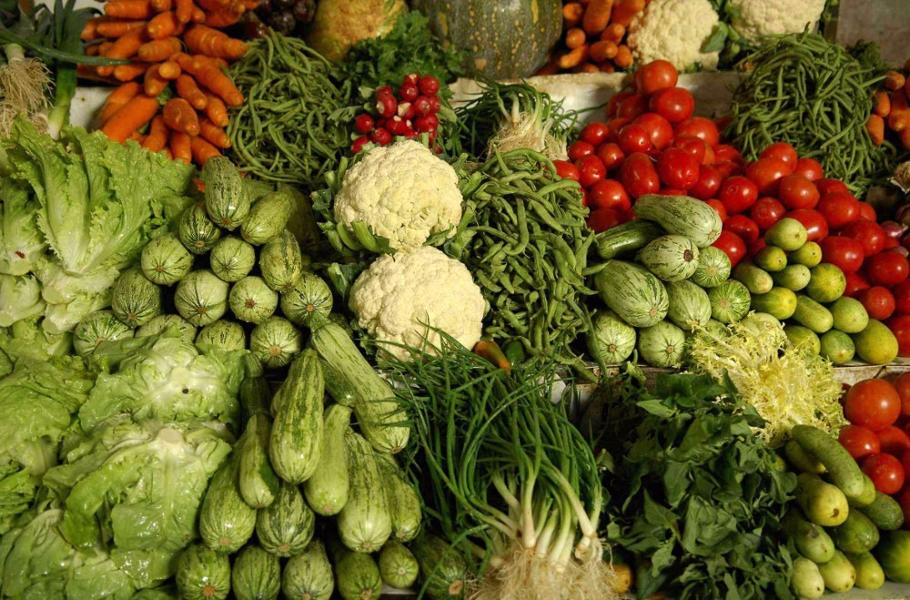
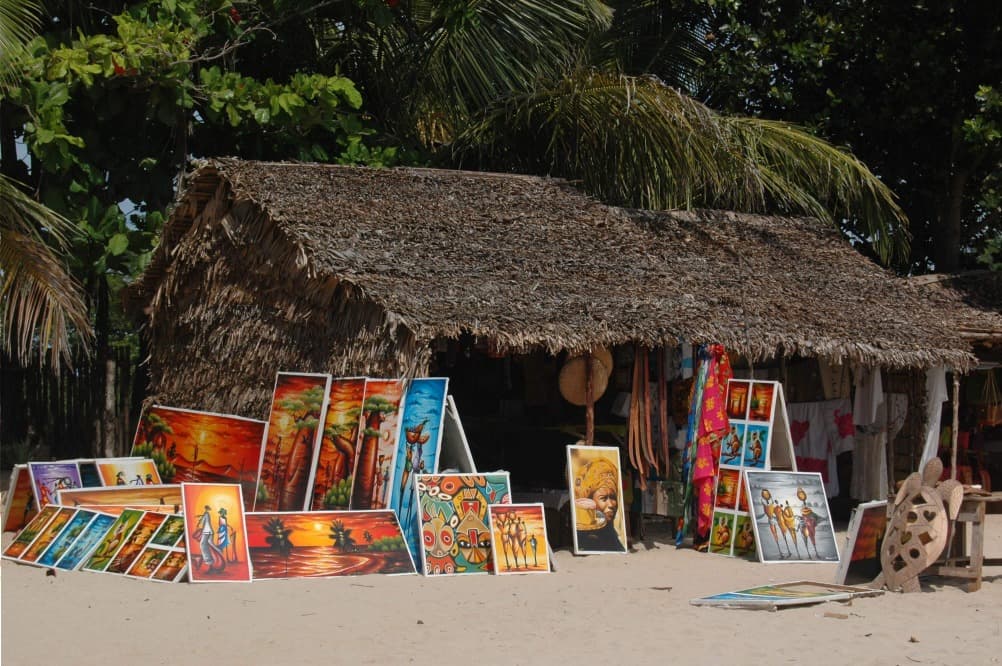
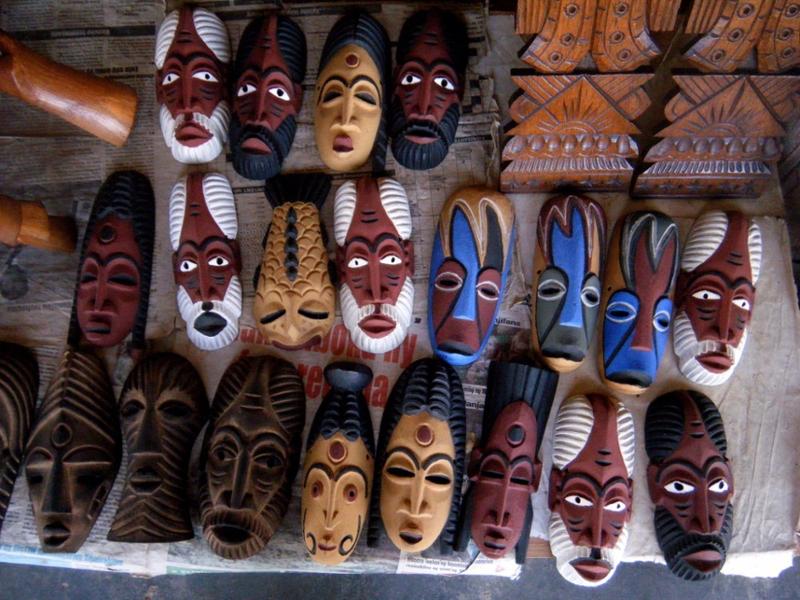
They offer a chance to discover local craftsmanship, regional produce, fruits and vegetables in every color imaginable... In the past, the market (tsena) was called fihaonana (meeting place), as it was an opportunity to meet others, chat, forge business partnerships, and share news... For those traveling to Madagascar, local markets are an essential stop to acquire beautiful souvenirs!
The Zoma market where you'll find everything
Only a small portion of the Zoma market (Friday) exists today, but when it was fully operational, it occupied the entire Independence Avenue (Antananarivo), stretching from Soarano station to Andohan'Analakely. You can still find merchants selling goods on the sidewalks, but before 1997, it was the world's largest open-air market, spanning approximately one kilometer.
Traffic was impossible, as the stalls (covered with the famous handcrafted white umbrellas) occupied the streets. However, since the avenue is the city's nerve center, it became necessary to keep this central artery open. Moreover, unsanitary and unsafe conditions prevailed! These days, there are still pavilions and fruit and vegetable stalls. Shops and stores of all kinds have also flourished there! You'll find everything!
The Mahamasina market and its secondhand clothing
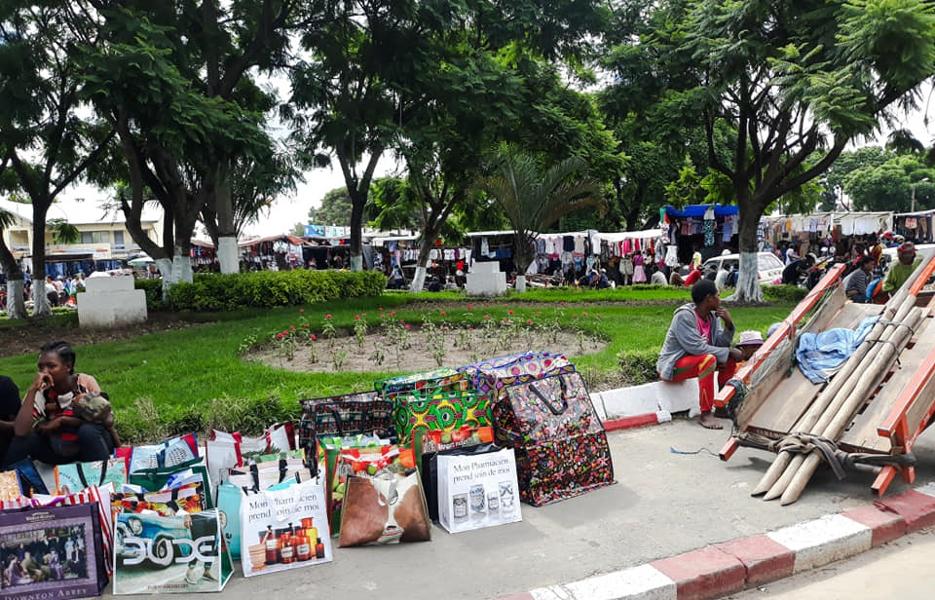
The most well-known Thursday market is the one at Mahamasina, in Antananarivo, near the Municipal Stadium. Secondhand clothing is what gives this place its reputation. It's where Antananarivo residents come to find clothes, shoes, bags, linens, fabrics, mattresses, kitchen utensils, furniture, phones, fruits and vegetables, and more.
Here, a portion of the streets is closed off, but traffic isn't entirely disrupted. Except now, merchants are expanding onto sidewalks, bus shelters, and even parts of the roadway. Increasingly, small traders are joining the ranks, extending the market to streets leading toward Anosy and Ambohijanahary.
Madagascar's largest zebu market
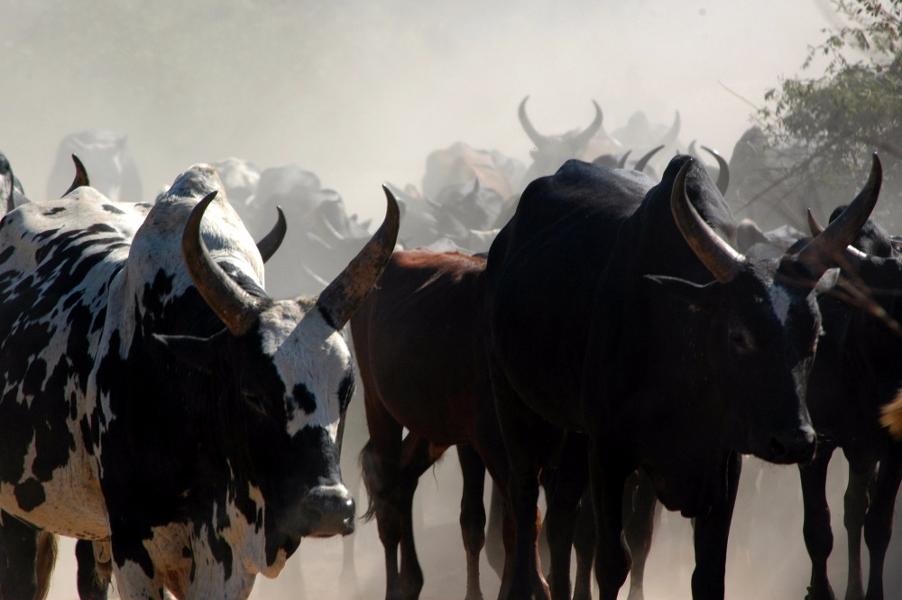
The most renowned Wednesday market is the one in Ambalavao, a zebu market and the largest of its kind across the entire island. Located 480 km south of the capital and approximately 57 km south of Fianarantsoa, this town hosts humped cattle over 2 hectares. It's impressive to witness!
Buyers scrutinize the animals before haggling with the owners, most of whom are dressed in lamba (large traditional cloths). Here, the zebu is a sacred animal and extremely valuable in daily life, pulling carts for transport and plows in rice paddies and fields. Tombs are adorned with zebu skulls, and the number of skulls reflects the wealth of the deceased.
The Talata market: home of koba and sausages
The best way to discover the Talata market (Tuesday) is to include it during a visit to the rova (palace) of Ambohimanga, one of the twelve sacred hills. The rural commune of Talata-Volonondry (home to the tsena) is located on National Road 3, north of Antananarivo, on the road leading to the sacred hills: Ilafy, Namehana (Sabotsy-Namehana), Ambohimanga, or Ambohidrabiby.
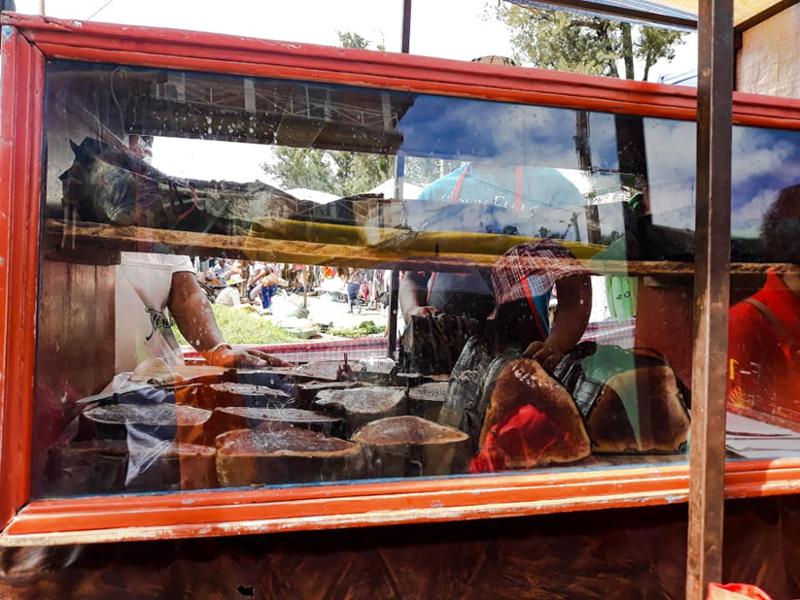
You can enjoy the wooded areas along the road to help pass the time while anticipating the chance to taste the famous koba (rice cakes filled with caramelized peanuts) or the sausages that make Talata-Volonondry renowned. For others, the market is an opportunity to stock up on fresh agricultural products.
The Sabotsy market: the Zoma of Antsirabe
The Vakinankaratra region is known as the nation's breadbasket, as its volcanic soil is particularly fertile and extensive. Agricultural products from this region are sold at the Sabotsy market (Saturday), in the city of Antsirabe. In the 1990s, the market covered about ten hectares, with stalls made up of small chairs, wooden tables, and handcrafted umbrellas.
Today, the market has been paved and concreted over an area of 4.5 hectares. It's the largest market in the Indian Ocean, with the fruit and vegetable pavilion alone covering 1,500 m². The stalls showcase a magnificent kaleidoscope of colors: oranges, watermelons, mangoes, lychees, jujubes, sugar apples... Of course, many other products are sold here, from seafood to clothing, as well as handcrafted items.