The Madagascan Panama: The Success of Straw by Émile Ranarivelo
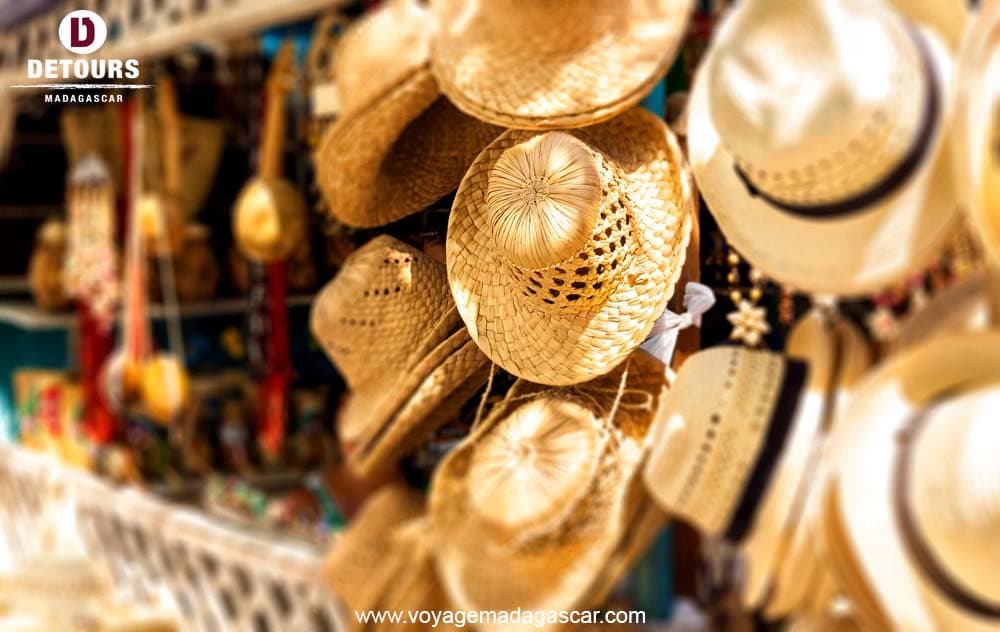
The Madagascan panama is the name given to the Madagascan straw hat that characterizes rural men today. However, in the early 20th century, this hat was extremely popular and was even exported with great success to Europe and America.
The Madagascan panama is the name given to the Madagascan straw hat that characterizes rural men today. However, in the early 20th century, this hat was extremely popular and was even exported with great success to Europe and America. Émile Ranarivelo, an exceptional man, is at the origin of this remarkable success!
The Madagascan panama, a popular and elegant straw hat
When one thinks of a panama, a particular hat shape comes to mind. However, the panama is associated with the material rather than the shape—specifically, a fiber manufactured from young shoots of bombanaxa, the palm tree of Ecuador. In any case, the public largely retained the shape. This light and supple men's hat was originally worn by workers laboring in the bright sun. Later, it became increasingly worn in other contexts and places, until it was associated with the relaxed, elegant man. In the early 1900s, the panama was all the rage in the West. This was precisely what the Madagascan Émile Ranarivelo discovered during the Universal Exposition held in Paris in 1900. He then imagined a market for the same kind of hat, but made of straw. The model came to be called the "Madagascan panama." The incredible story of this rare self-made man for his time is recounted in the novel by Christine Ranarivelo: The Madagascan Panama (2011, Harmattan Editions). The author is none other than the wife of Émile Ranarivelo's grandson, inspired by their family archives. The success of this exceptional man continues to resonate in the lives of his descendants and the Madagascan people. His straw hats enjoyed immense success: 80,000 Madagascan panamas exported in 1908 and 220,000 in 1942. Their fineness and finish captivated European and American merchants. The Madagascans adopted them too, and today the panama is inseparable from rural men, particularly workers, cattlemen, and merchants of all kinds.
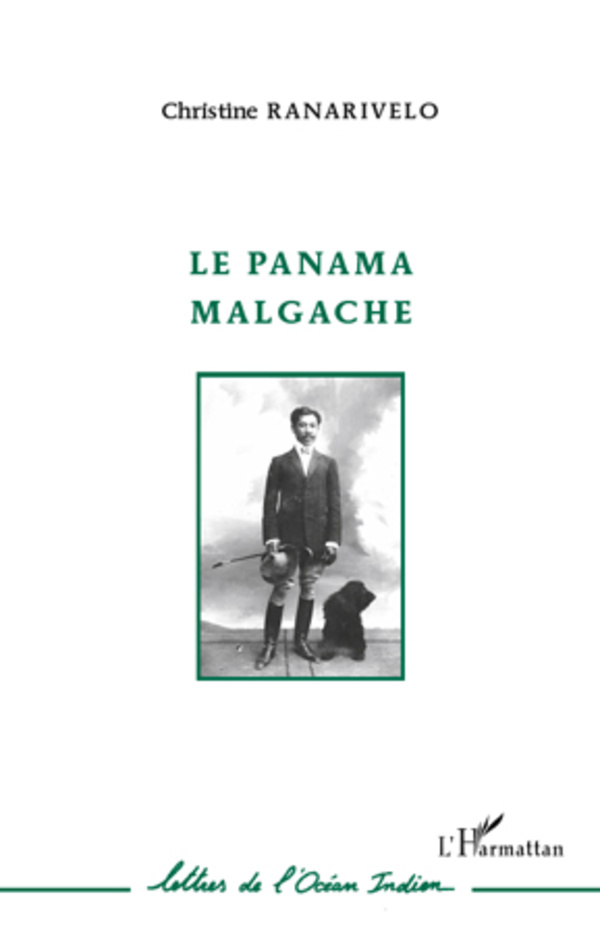
The story of Émile Ranarivelo, the man behind the Madagascan panama
Raharivelo (1870–1933), who later became Émile Ranarivelo, was the youngest son of Rakotovao (1829–1906), a Merina noble, court secretary, advisor to Queen Ranavalona III, deacon and preacher, and businessman. One day, disappointed by his eldest son and disheartened, he fell gravely ill. However, as he began to recover, he asked to see his youngest son, in whom he would place his hopes, to discuss his business ideas and entrust him with carrying them out. Barely 18 years old, young Raharivelo began to inquire into the best ways to source merchandise, including leather, rubber, raphia, rabanes, wax, and honey—and hats. This young man from the LMS School, fluent in English, would make the family business flourish. During a trip to Paris, he discovered that the French—men, women, and children—all wore hats. He then conceived the idea of proposing hats of the same type, but manufactured from raphia and Madagascan rice straw. He quickly found a Parisian distributor and lost no time in returning to Madagascar to undertake the manufacture of straw hats. The success was such that he had to travel to metropolitan France several times, even attaining French citizenship in 1910—a rare achievement for an indigenous person at that time. He was also one of the first Madagascans to undertake a mixed marriage with a European woman. He thus marked the history of his country!